2.5-metre slip nearly cost Mumbai airport metro Rs 250 crore. A fix is near
Source Entity
Sabah Virani
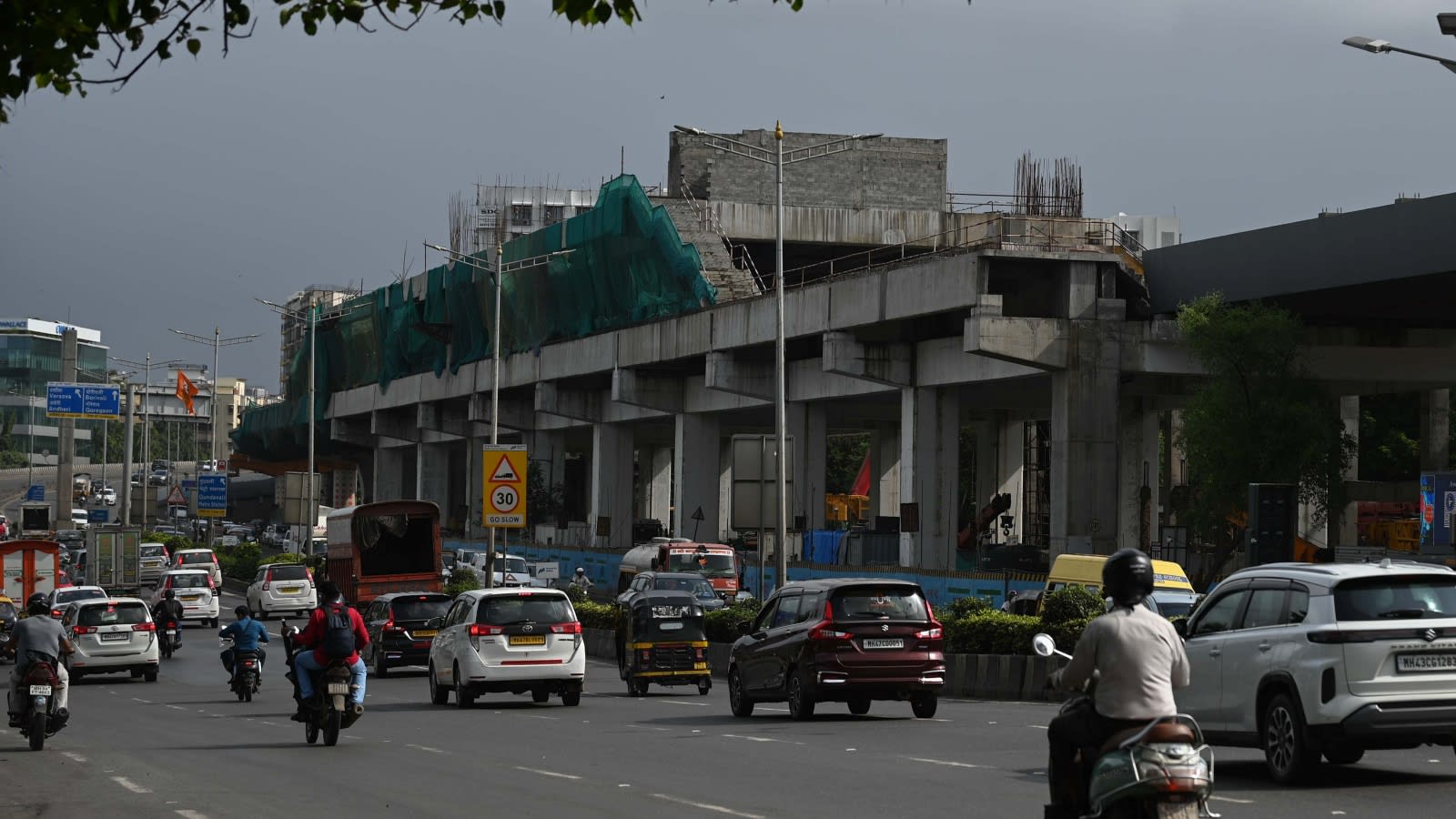
A critical design gap on Mumbai's Metro Line 7A, which threatened a Rs 250 crore reconstruction, is nearing resolution. MIAL has confirmed the necessary 2.5-metre height increase for overhead wires will not impact flight safety, allowing construction to resume.
Resolving the Mumbai Metro Line 7A Infrastructure Crisis
The Design Gap That Nearly Cost Millions
Recent developments concerning the Mumbai Metro Line 7A have brought to light a significant engineering and regulatory hurdle. A design discrepancy involving the elevation of the viaduct threatened to stall progress indefinitely, potentially forcing the Mumbai Metropolitan Region Development Authority (MMRDA) to demolish and reconstruct nearly 1km of elevated track. This catastrophic scenario would have resulted in an estimated financial loss of Rs 250 crore, a substantial setback for one of Mumbai's most vital urban connectivity projects.
Navigating Aviation Safety Regulations
The core of the conflict lay in the height requirements for the line’s overhead electric (OHE) wires. To ensure operational safety and compliance, an additional 2.5 metres of clearance was deemed necessary. Given the proximity of the project to the Mumbai International Airport, this adjustment raised immediate concerns regarding flight path obstructions. For months, the ambiguity surrounding these aviation safety standards effectively halted work on the affected stretch starting in early 2025, casting doubt on the project's timeline.
Collaborative Resolution and Technical Verification
In a positive turn of events, Mumbai International Airport Limited (MIAL) has conducted a thorough assessment and concluded that the proposed height increase will not compromise the safety or operations of the airport's flight paths. This technical validation serves as a critical turning point, effectively mitigating the risk of structural demolition. While the project is currently moving forward, the final administrative hurdle remains the formal written clearance from the Airports Authority of India (AAI), which is expected to finalize the resolution.
Broader Implications for Urban Infrastructure
This incident highlights the inherent complexities of executing large-scale infrastructure projects in densely populated and highly regulated urban environments like Mumbai. Integrating a major transit artery with existing aviation infrastructure requires precise coordination between multiple government bodies, including the MMRDA and the AAI. The near-miss of a Rs 250 crore loss serves as a stark reminder of the importance of rigorous pre-construction planning and the potential for regulatory bottlenecks to delay public utility expansion.
Future Outlook for Metro Line 7A
With construction now resumed, the focus for the MMRDA shifts to accelerating the remaining work to make up for the lost time since early 2025. The resolution of this design gap ensures that Metro Line 7A remains a viable and essential component of the city's transit network. As Mumbai continues to expand its metro footprint, the lessons learned from this coordination effort will likely influence future planning protocols to ensure that aviation and transit infrastructure can coexist without costly mid-project redesigns.