Amid modernisation in railways, porters face shrinking income, bleak future
Source Entity
India Latest News: Top National Headlines Today & Breaking News | The Hindu
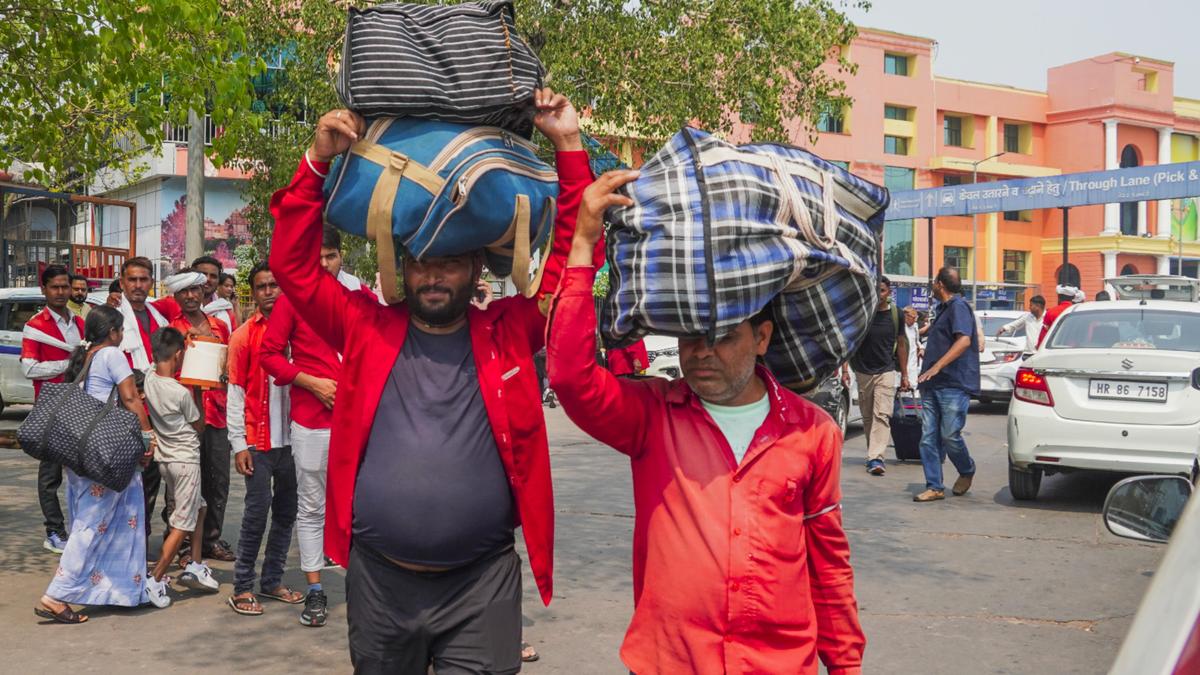
Railway modernization and the widespread adoption of wheeled luggage have significantly reduced demand for porters in Uttar Pradesh. Many long-term workers are now forced to transition to alternative livelihoods due to dwindling daily incomes.
The Decline of the Traditional Porter in Modernizing Railways
For decades, the image of a 'coolie' or porter carrying luggage on their head has been an inseparable part of the Indian railway experience. However, recent reports from Uttar Pradesh indicate that this traditional profession is facing an existential crisis. Driven by rapid infrastructural upgrades and changing consumer behaviors, the demand for manual porters has plummeted, leaving thousands of workers who have served the railways for generations in a state of financial precariousness.
The Impact of Infrastructure Upgrades
Over the past 15 years, the Indian Railways has embarked on an ambitious modernization drive. The installation of lifts, escalators, and ramps at major railway stations was designed to improve passenger convenience and accessibility. While these enhancements have undoubtedly made travel easier for the average commuter, they have inadvertently eliminated the necessity for manual labor. The physical barriers that once necessitated the hiring of a porter have been replaced by seamless, automated transit solutions.
The Role of Changing Luggage Trends
Beyond station infrastructure, the evolution of personal travel gear has played a critical role in the decline of the porter profession. The mass adoption of lightweight, wheeled suitcases has empowered passengers to manage their own luggage independently. As younger travelers increasingly prioritize self-reliance and convenience, the traditional dependency on porters has diminished, causing daily earnings for these workers to crater.
Generational Displacement and Economic Hardship
Many porters in Uttar Pradesh represent the second or third generation of their families in this trade, with some individuals reporting over a decade of experience. The sudden drop in demand—where once a porter could rely on several daily clients—has made it impossible to sustain families. This shift represents a broader socioeconomic displacement, as workers who lack formal education or diverse skill sets find themselves pushed to the margins of the labor market.
The Pivot to Alternative Employment
Faced with the reality that their traditional livelihood is no longer viable, many porters are now forced to explore alternative employment. Some are looking toward the gig economy, such as purchasing electric autos, as a means to regain financial stability. This transition highlights the harsh reality of technological disruption, where the benefits of modernization are often unevenly distributed, leaving vulnerable segments of the workforce to navigate the transition without institutional support.
Future Trends and Concluding Summary
As the Indian Railways continues to modernize, the role of the manual porter is likely to contract further. The future of this profession remains bleak unless there is a concerted effort to upskill these workers or integrate them into other logistics and service roles within the evolving transportation sector. The plight of these porters serves as a poignant reminder of the human cost that often accompanies large-scale infrastructure development in a rapidly developing nation.
Verification Required?