Man killed in fight over Delhi metro seat; retired IAS officer, son held
Source Entity
ABHAY
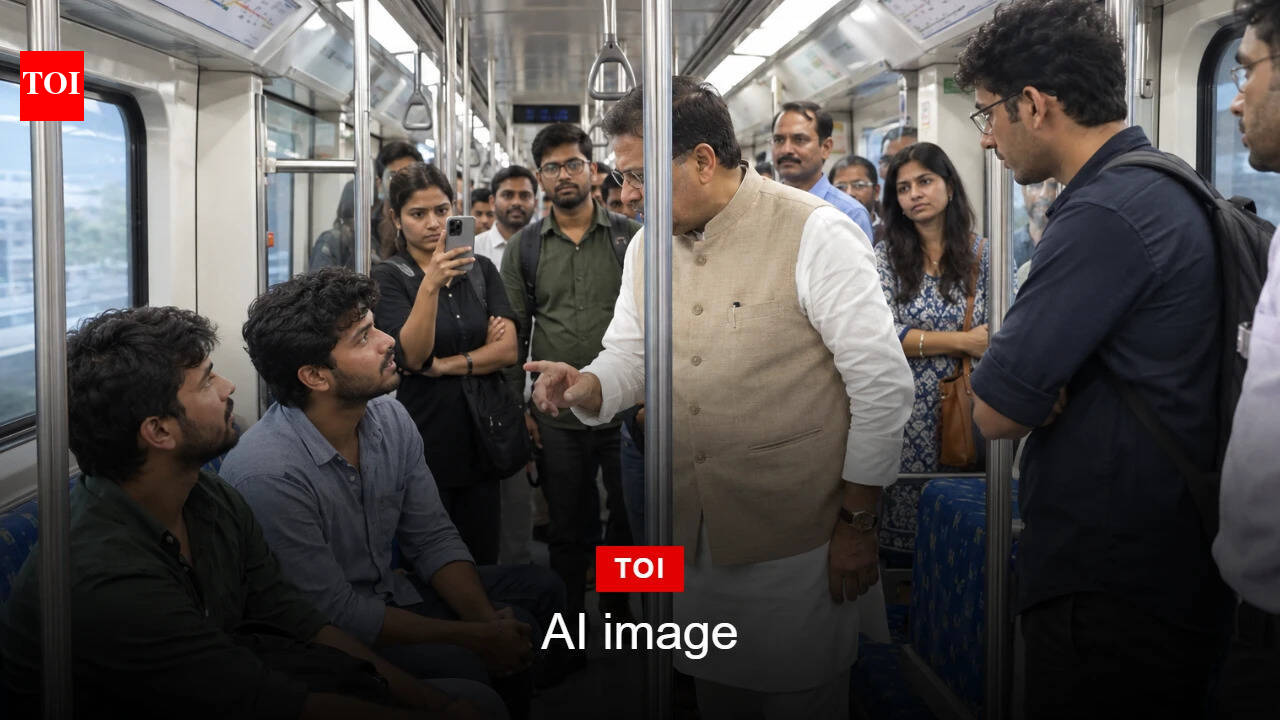
A 48-year-old man, Pawan Sharma, died following a physical altercation over a reserved seat on the Delhi Metro. Police have arrested a retired IAS officer and his son in connection with the incident.
Tragedy in Transit: The Fatal Delhi Metro Altercation
On October 8, a routine commute on the Delhi Metro turned into a fatal tragedy when 48-year-old Pawan Sharma lost his life following an altercation over a reserved seat. The incident, which occurred near the Supreme Court Metro station, highlights the volatile nature of public spaces in rapidly urbanizing environments. Sharma, who was traveling with his 65-year-old mother, Durga Devi, became embroiled in a dispute with two other passengers over seating designated specifically for senior citizens.
The Sequence of Events
According to reports filed with the Delhi Metro Police, the confrontation began after the two accused—identified as 65-year-old retired IAS officer Sanjay Pratap Singh and his 36-year-old son, Sidharth Singh—boarded the train at Mandi House. The argument quickly escalated from a disagreement over seat etiquette into a physical assault. Witnesses and police records indicate that Sharma was allegedly slapped and pushed during the exchange, an act that ultimately led to his untimely death.
Legal and Social Implications
Following the filing of an FIR, local law enforcement acted swiftly to apprehend both Sanjay Pratap and Sidharth Singh. The accused, both residents of Noida, have since been remanded to 14-day judicial custody. This incident has sparked significant public discourse regarding the conduct of passengers and the enforcement of social norms within the Delhi Metro Rail Corporation’s (DMRC) network. The involvement of a former administrative official in such a violent dispute has further intensified public scrutiny.
The Vulnerability of Public Commute
This case brings to the forefront the issue of safety and civility in high-density public transport systems. While the Delhi Metro is widely regarded as a lifeline for the capital, the lack of immediate intervention during such confrontations remains a concern. The presence of senior citizens, like the victim’s mother, who witnessed the trauma, underscores the psychological and physical risks inherent in aggressive public disputes.
Broader Context and Future Outlook
As the Delhi Metro continues to expand its reach, the challenge of maintaining order and ensuring passenger safety becomes increasingly complex. This tragedy serves as a grim reminder of the need for robust conflict resolution mechanisms and improved surveillance or staff presence within train carriages. Moving forward, authorities are likely to face pressure to review safety protocols to prevent similar altercations, as the incident has left a lasting impact on the collective sense of security among daily commuters in the National Capital Region.
Conclusion
The death of Pawan Sharma is a sobering event that necessitates a deeper look at social behavioral standards in shared public infrastructure. With the judicial process now underway, the focus remains on ensuring justice for the victim's family, while the incident serves as a catalyst for a necessary conversation regarding patience, respect, and the rule of law in India's bustling transit corridors.