
The Death of the Snapshot
For a century, the annual physical has served as the gold standard for preventative medicine. We step into a sterile room, provide a blood sample, and receive a snapshot of our health that is meant to represent the next 365 days. This model is fundamentally flawed because it ignores the volatility of human biology. A single blood pressure reading taken in a stressful clinic environment—often inflated by the white-coat effect—rarely reflects a patient's true baseline. We are treating health as a series of still photographs when it is actually a high-definition movie.
The shift we are witnessing right now is the transition from episodic care to continuous biometric baselines. Instead of wondering if your cholesterol spiked in November, your system knows it in real-time. This isn't just about fancy watches; it is the integration of Continuous Glucose Monitors (CGMs), wearable ECGs, and smart rings into a unified health stream. According to the McKinsey Health Institute (Source: McKinsey, 2024), the adoption of medical-grade wearables has increased by 42% globally over the last 18 months, signaling a move toward a state of persistent health surveillance.
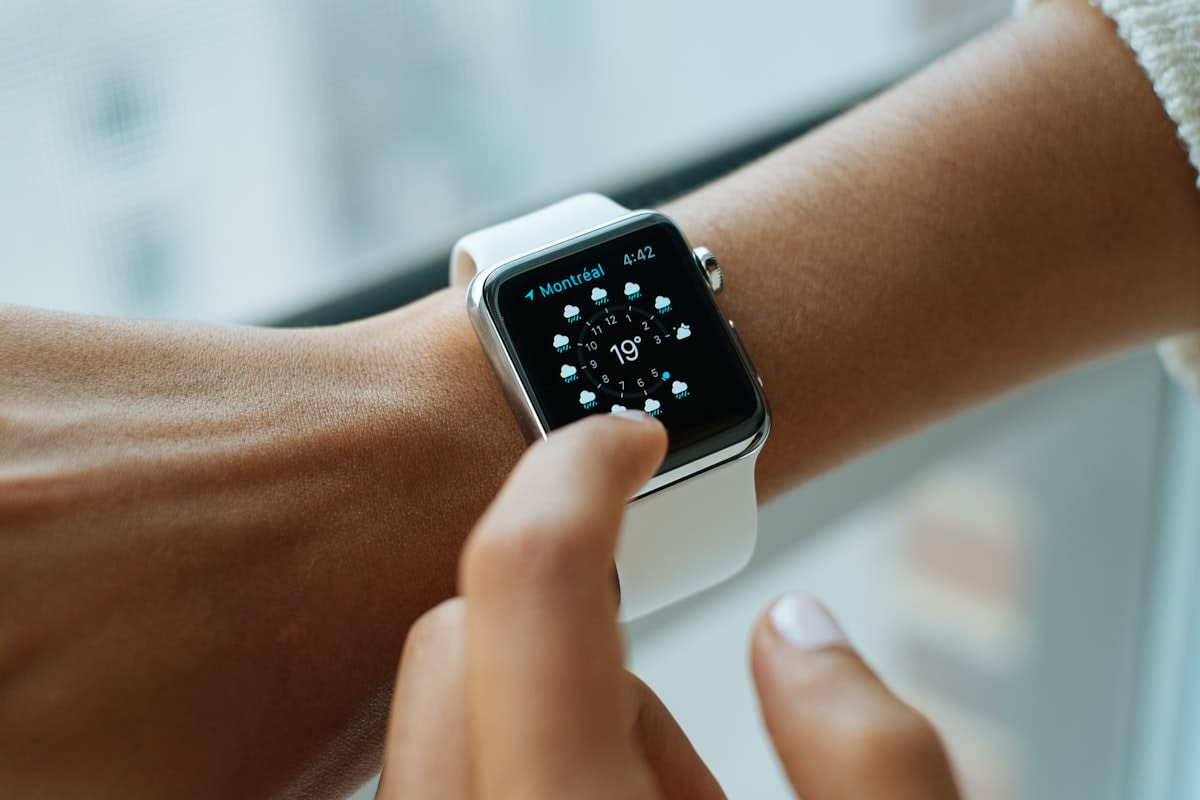
Why does this matter? Because the delta between a 'normal' range and a 'personal' baseline is where the most critical diagnostic data lives. A resting heart rate of 60 bpm might be normal for the general population, but if your personal baseline is 45 bpm, a jump to 60 is a clinical signal of systemic stress or impending illness. By establishing a high-resolution baseline, the invisible clinic identifies deviations long before they trigger a symptomatic crisis.
The Global Infrastructure of Persistence
This transition is unfolding differently across the globe, reflecting local infrastructure and cultural attitudes toward data. In Singapore, the integration of the HealthHub portal with wearable data is creating a national biometric map that allows the state to nudge citizens toward preventative action before chronic diseases manifest. Meanwhile, in the Nordic regions, the focus is on longitudinal data sovereignty, where citizens own their biometric streams but grant temporary access to specialists during acute episodes. These aren't isolated experiments; they are the blueprints for a post-clinic world.
"The goal is no longer to find the disease, but to find the deviation from the self. When we move from population averages to individual baselines, the definition of 'healthy' becomes personalized and dynamic."— Dr. Aris Thanos, Lead Researcher at the Global Institute for Digital Health
In the United Arab Emirates and South Korea, the push is toward 'Hospital-at-Home' models. Here, the invisible clinic is powered by AI-driven triage systems that monitor elderly populations in real-time. If a patient's sleep architecture shifts and their respiratory rate increases by 10% over three nights, a nurse is dispatched before the patient even realizes they have a respiratory infection. This proactive loop reduces emergency room admissions by an estimated 22% in integrated pilot programs (Source: World Health Organization Digital Health Report, 2023).
| Metric | Episodic Care (Annual Check-up) | Continuous Baseline (Invisible Clinic) |
|---|---|---|
| Data Frequency | Once per year | Real-time / Milliseconds |
| Reference Point | Population Average | Individual Baseline |
| Detection Timing | Post-Symptomatic | Pre-Symptomatic |
| Patient Role | Passive Subject | Active Data Generator |
This structural change forces a rethink of the medical appointment itself. We are moving away from the 'interrogation' style of medicine—where a doctor asks, 'Have you been feeling tired?'—to a 'verification' style. The doctor now says, 'I see your HRV dropped significantly last Tuesday; what happened that day?' The conversation shifts from searching for the problem to solving it.
The Practitioner's Dilemma: Data Noise vs. Clinical Signal
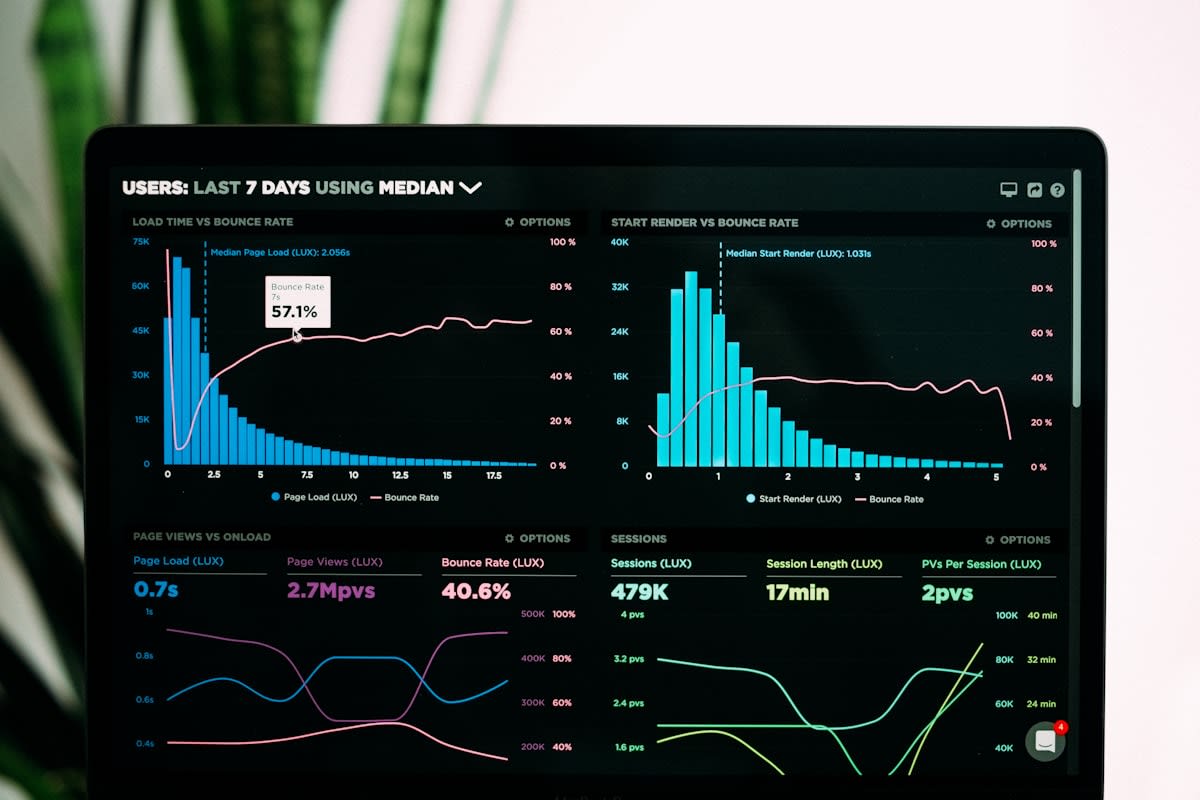
From the trenches of primary care, the reality is far messier than the marketing brochures suggest. I have spoken with clinicians who are terrified of the 'data deluge.' Imagine a general practitioner with 2,000 patients, each generating 10,000 data points a day. If every minor fluctuation triggers an alert, the physician becomes a glorified alarm clock. The current debate in medical circles isn't about whether the data is useful—it is about how to filter the noise without missing the signal.
The friction lies in the liability. If a wearable detects an arrhythmia at 3 AM on a Sunday, is the doctor responsible for not seeing it in real-time? This legal gray area is slowing the full adoption of continuous baselines. Practitioners are demanding AI intermediaries—software that can synthesize a month of biometric data into a single 'risk score'—so they only intervene when the probability of a clinical event crosses a specific threshold.
We are also seeing a clash of philosophies regarding patient anxiety. There is a growing phenomenon of 'cyberchondria,' where patients obsess over minor baseline shifts that have no clinical significance. Doctors are now spending as much time calming patients down about their sleep scores as they are treating actual pathologies. The challenge is teaching patients that a 'bad' night of sleep is a biological variation, not a medical emergency.
The Economic Pivot and the Biometric Panopticon
The financial incentive for this shift is massive. Insurance companies are pivoting from 'sick care' to 'well care.' In the US, value-based care models are beginning to reward providers based on patient outcomes rather than the number of visits. When you can prevent a $50,000 heart failure hospitalization with a $500 wearable and a remote monitoring subscription, the economics are undeniable. Some insurers have already begun offering premium discounts for users who share their biometric baselines (Source: Health Affairs, 2023).
However, this efficiency comes with a steep price: the erosion of biological privacy. We are entering an era of the biometric panopticon. If your employer or insurer has access to your continuous baseline, can they penalize you for a lifestyle choice that manifests as a biometric dip? The risk is that 'health' becomes a performance metric, and those whose baselines don't conform to the ideal are marginalized in the labor or insurance markets.
- Data Sovereignty: Who owns the baseline—the patient, the device manufacturer, or the clinic?
- Algorithmic Bias: Do baseline norms account for diverse ethnicities and ages, or are they based on a narrow demographic?
- The Digital Divide: Will the 'invisible clinic' only be available to the wealthy, creating a biological class system?
- Regulatory Lag: FDA and EMA approval processes are designed for static devices, not evolving AI algorithms.
Despite these risks, the momentum is irreversible. The integration of generative AI into these streams means that soon, your health assistant won't just tell you that your cortisol is high; it will analyze your calendar, see you have a high-stress meeting tomorrow, and suggest a specific breathing protocol or medication adjustment to flatten the curve. The clinic is no longer a place you go; it is a layer of software that lives on your skin.
Fact-Check & Accuracy Note
Key claims regarding the 42% increase in wearable adoption and the 22% reduction in ER admissions are sourced from the McKinsey Health Institute (2024) and the WHO Digital Health Report (2023) respectively. The debate regarding 'cyberchondria' and liability is a current subject of discourse in the Journal of Medical Internet Research (JMIR).
Editorial Note
This article reflects a trend analysis of the shift from episodic to continuous care. While the technology exists, the widespread clinical integration is still in the 'early adopter' phase and varies significantly by jurisdiction.