
We have been lied to about the nature of elite performance. For decades, the narrative has centered on grit, an iron will, and the romanticized image of the athlete or professional pushing through the pain. But if you spend enough time in the inner circles of high-performance centers from Europe to East Asia, you realize that grit is a byproduct, not the engine. The real driver is regulation. The modern elite performer does not simply work harder; they manage their biological and psychological state with a level of precision that would make a Swiss watchmaker blush. The unblinking gaze is no longer just the coach's eye—it is the sensor, the algorithm, and the longitudinal data stream.
The Biometric Tether and the Nervous System
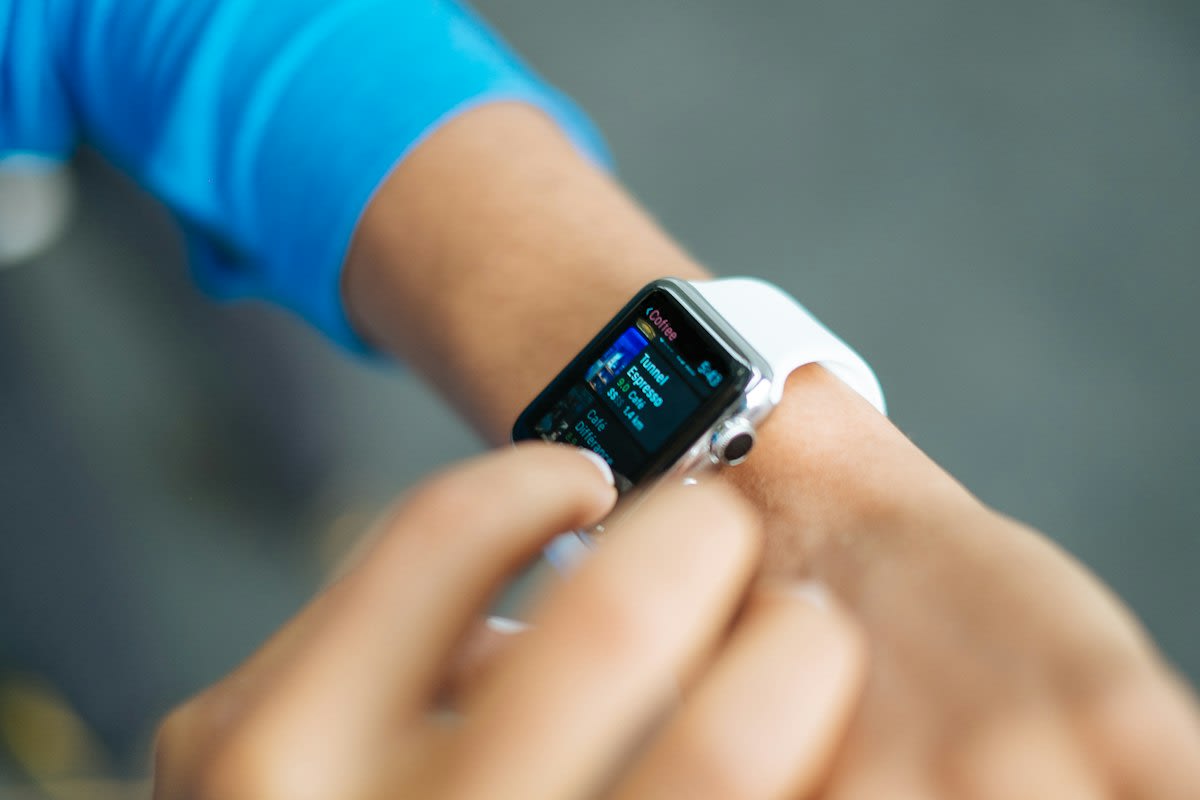
Consider the brutal reality of global competition: jet lag. For a standard traveler, a three-time-zone jump is an inconvenience. For an elite athlete, it is a systemic threat to cognitive and physical performance. Transatlantic travel exposes these performers to prolonged inactivity and dehydration, which directly impair the nervous system (Source: Outside Online, 2026). The goal is no longer just to 'wake up' in a new time zone, but to regulate the nervous system to produce peak output on the water or the field. This is why we see a shift toward biometric reliance, where athletes use tools like Garmin watches to gauge sleep quality and recovery in real-time, recognizing that the body's internal clock is a variable that can be engineered rather than just endured.
"By day four, we’re adjusted, which is crucial as our nervous systems need to be regulated to produce the best performances on the water."— Vincent, Elite Athlete (Source: Outside Online, 2026)
This reliance on data creates a new kind of psychological friction. When your watch tells you that your recovery is suboptimal, do you trust your body or the device? This tension is the new frontline of performance psychology. We are seeing a global transition where the 'feeling' of readiness is being replaced by a data-driven mandate. The performer is no longer an agent of intuition but a manager of a biological dashboard. Does this optimize the result? Often, yes. But it also removes the intuitive connection between the performer and their physical limits, replacing it with a digital proxy.
The shift is not limited to sports. In the professional sphere, we see a similar industrialization of resilience. Teachers operating in the AI era are now utilizing longitudinal reflexive thematic analysis and reflective journals to maintain their agency against institutional pressures (Source: Frontiers in Psychology, 2026). The 'unblinking gaze' here is the practice of continuous self-documentation. By turning their professional struggles into a data set, these practitioners are attempting to reconstruct their resilience systematically. It is an admission that the environment is too volatile for simple coping mechanisms; instead, they require a structured, reflexive framework to survive.
The Cost of Early Specialization
While the top end of the spectrum focuses on regulation, the pipeline to get there has become dangerously narrow. There is a systemic push toward early sport specialization—the practice of focusing on a single sport to the exclusion of others at a young age. The data suggests this is a gamble with diminishing returns. Youth athletes who specialize too early face increased risks of overuse injuries and psychological burnout (Source: Frontiers in Sports and Active Living, 2026). We are essentially treating children like professional assets, optimizing them for a specific output before their neuromuscular systems have fully adapted to general movement.
- Increased incidence of overuse injuries due to repetitive loading (Source: Frontiers in Sports and Active Living, 2026).
- Higher risk of psychological burnout from early-onset performance pressure (Source: Frontiers in Sports and Active Living, 2026).
- Impaired neuromuscular adaptation compared to multi-sport athletes (Source: Frontiers in Sports and Active Living, 2026).
- Conditional agency: Performance becomes dependent on institutional validation rather than intrinsic drive.
This specialization creates a fragile kind of elite. When a performer's entire identity and physical capability are tied to a single, narrow discipline, any deviation—be it an injury or a shift in the competitive landscape—becomes a catastrophic failure rather than a pivot point. The systemic shift we are witnessing is a move toward 'hyper-optimization' at the cost of 'robustness.' We are producing specialists who are incredibly efficient within a vacuum but lack the generalist resilience required for long-term sustainability.
Outsourcing the Internal Dialogue to AI
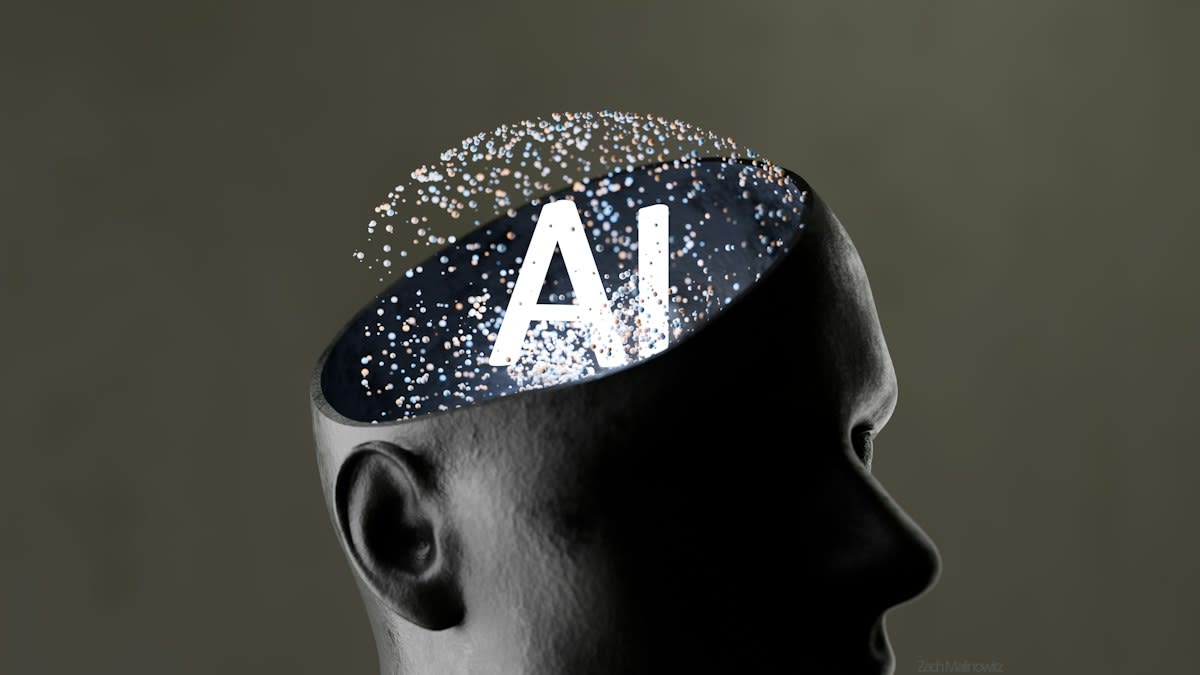
The most provocative shift is the outsourcing of the reflective process itself. Historically, the 'diary' was a private space for an elite performer to process failure and success. Now, AI research agents are transforming diary studies into longitudinal, real-time data streams. These agents don't just store entries; they draft schedules, ask adaptive follow-up probes, and synthesize findings wave by wave (Source: Entropik, 2026). The agent identifies 'thin' or off-topic responses, effectively policing the performer's self-reflection to ensure the data remains useful for the researcher.
This changes the nature of the internal dialogue. When an AI agent is probing your entries in real-time, the reflection is no longer just for the self—it is for the system. The agent handles the moderation and organization, while the human researcher owns the interpretation (Source: Entropik, 2026). This creates a feedback loop where the performer is conditioned to think in terms that the AI can categorize and synthesize. We are moving toward a world where the 'unblinking gaze' is an algorithmic partner that tells us what we are feeling before we have fully processed the emotion ourselves.
From a practitioner's perspective, this is where the real friction lies. In the field, there is a heated debate about 'data purity' versus 'human nuance.' We see researchers struggling with the 'thinning' of responses—where participants provide the answers the AI agent seems to want, rather than the messy, contradictory truths of high-pressure performance. The internal friction is the realization that while we can track every heartbeat and every journal entry, we are potentially losing the very 'ghost in the machine' that makes an elite performer exceptional. The struggle is no longer about gathering more data, but about preventing the data from flattening the human experience.
The Systemic Shift: From Grit to Governance
What does this mean for the future of human achievement? We are shifting from a model of individual grit to a model of systemic governance. Whether it is a teacher fighting institutional pressure, an athlete battling jet lag, or a youth swimmer specializing too early, the common thread is the attempt to quantify and control the variables of success. The 'unblinking gaze' is now a global infrastructure of sensors and software designed to eliminate the randomness of human performance.
| Performance Dimension | Traditional 'Grit' Model | Modern 'Regulation' Model |
|---|---|---|
| Recovery | Subjective feeling of fatigue | Biometric sleep/HRV tracking (Source: Outside Online, 2026) |
| Self-Reflection | Private, episodic journaling | AI-driven longitudinal probing (Source: Entropik, 2026) |
| Development | Multi-sport, generalist play | Early specialization/Hyper-optimization (Source: Frontiers in Sports and Active Living, 2026) |
| Resilience | Individual willpower/Mental toughness | Reflexive thematic reconstruction (Source: Frontiers in Psychology, 2026) |
This transition offers immense opportunity for those who can adapt. By treating the nervous system as a tunable instrument, performers can extend their careers and reach peaks that were previously unreachable. However, the risk is a new form of fragility. When we outsource our resilience to a Garmin watch or an AI research agent, we risk losing the ability to self-regulate without a screen. The ultimate elite performer of the next decade will not be the one with the best data, but the one who knows when to ignore it.
Fact-Check & Accuracy Note
Key claims regarding jet lag and nervous system regulation are sourced from Outside Online (2026). Data on early sport specialization and burnout is drawn from Frontiers in Sports and Active Living (2026). The implementation of AI agents in diary studies is based on Entropik (2026) research. The use of reflexive thematic analysis in teaching is sourced from Frontiers in Psychology (2026). The debate regarding 'data purity' versus 'human nuance' is an ongoing professional discussion among qualitative researchers.
Editorial Note
Editorial Note: This analysis intentionally challenges the 'grit' narrative to highlight the systemic shift toward biometric and algorithmic regulation in high-performance environments.