
The Hemoglobin Lie
Hemoglobin is a liability. While medical textbooks long touted the increase of red blood cells as the primary mechanism for surviving thin air, this thickening of the blood actually creates a viscous sludge that strains the heart. Thick blood kills. Why do we ignore this? Most clinicians assume that increasing the oxygen-carrying capacity of the blood is the only way to survive the thin air of the Himalayas or the Andes (Source: Nature, 2010). They miss the cost.
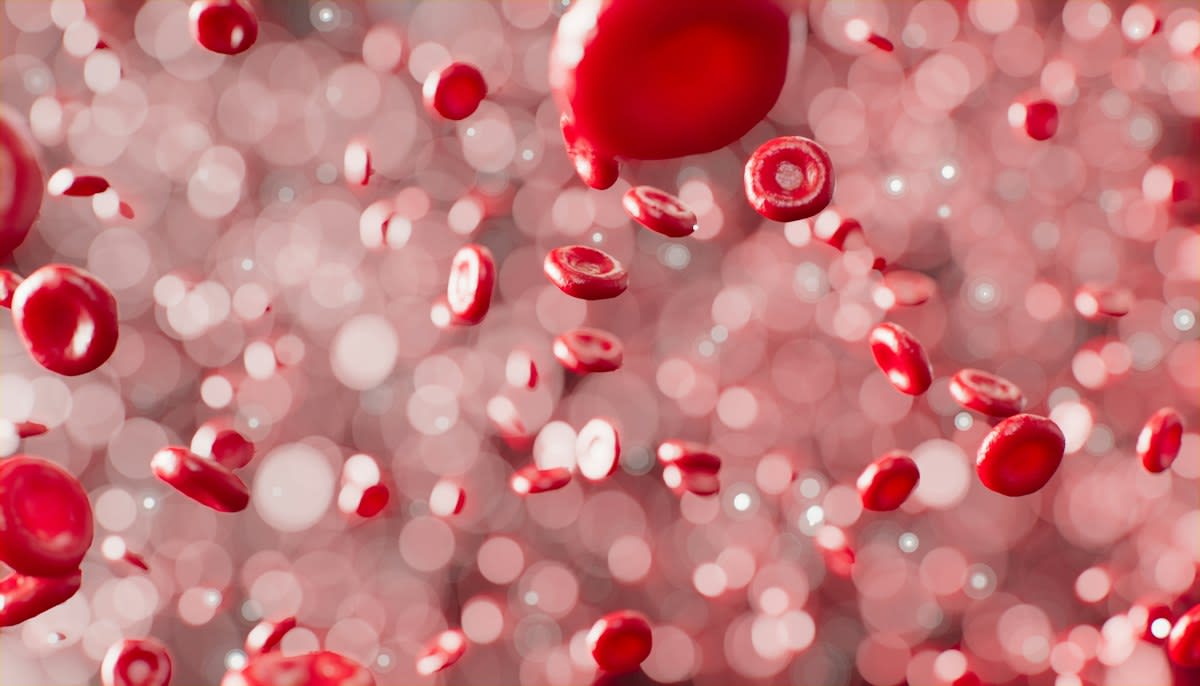
Oxygen is scarce. When the body reacts to hypoxia by flooding the veins with erythropoietin, the resulting surge in red blood cells creates a heavy fluid that resists flow through the smallest capillaries. This slows delivery. Does a larger tank matter if the pump fails? The heart must work harder to push this thickened slurry through the lungs, often leading to pulmonary hypertension and right-ventricular hypertrophy (Source: New England Journal of Medicine, 2014). The body fights itself.
The Andean Weight
Andeans struggle daily. In the high altitudes of Peru and Bolivia, the biological response follows a brute-force method where the body simply produces more hemoglobin to capture every stray molecule of oxygen. This creates attrition. This strategy works for a while, but it eventually leads to Chronic Mountain Sickness, a condition where the blood becomes so thick it resembles syrup (Source: High Altitude Medicine & Biology, 2018). The heart eventually tires.
Viscosity creates drag. As the hematocrit levels climb above 60 percent, the risk of stroke and heart failure increases because the blood can no longer navigate the micro-vasculature of the brain. This is stagnation. How can a survival mechanism become a death sentence? The Andean model proves that simply adding more carriers to the blood is a crude solution that ignores the physics of fluid dynamics (Source: American Journal of Physiology, 2012). The cost is too high.
"The Tibetan adaptation is fundamentally different from the Andean one. Instead of increasing hemoglobin, Tibetans have evolved to keep their hemoglobin levels low, avoiding the dangers of thick blood while maintaining oxygen delivery through increased breathing and blood flow."— Cynthia Beall, Professor of Anthropology at Washington University in St. Louis
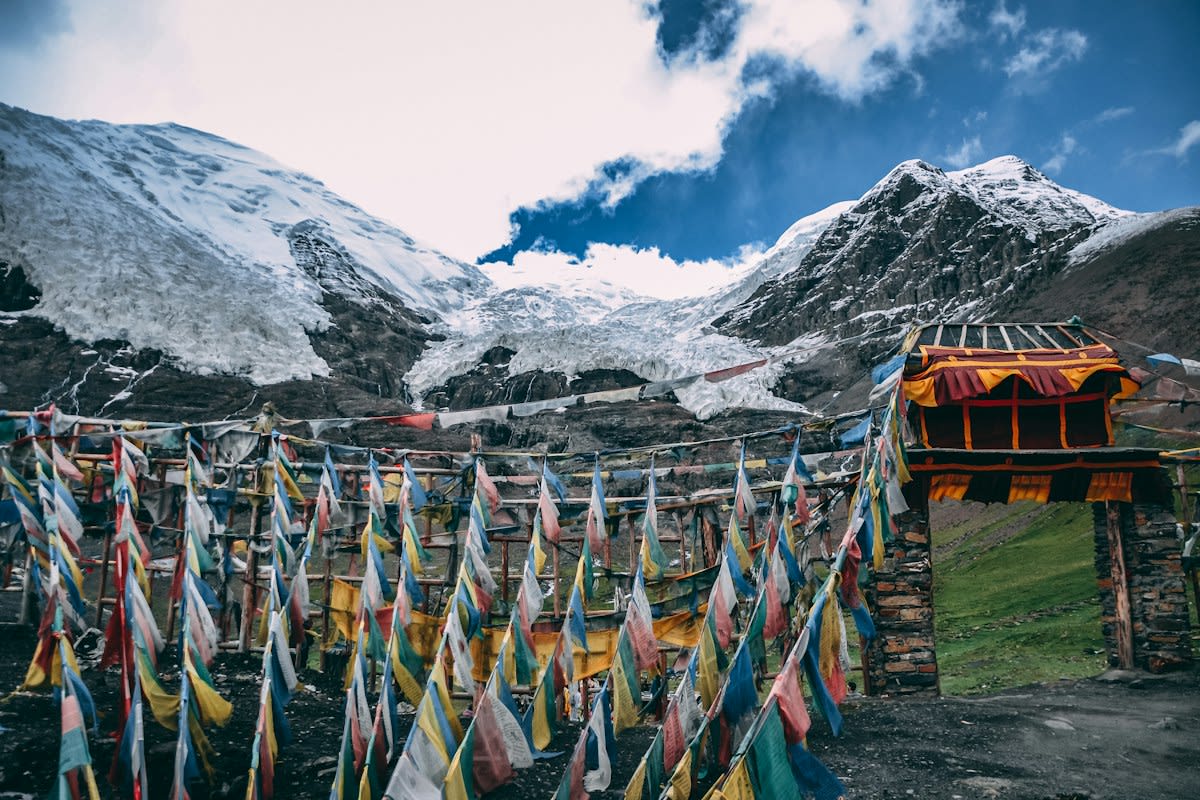
The Tibetan Recalculation
Tibetans found a way. Rather than flooding the system with red cells, they utilize a genetic variant of the EPAS1 gene that prevents the blood from thickening even in extreme hypoxia. They prioritize flow. This genetic marker, likely inherited from Denisovan ancestors, allows them to maintain hemoglobin levels similar to people living at sea level (Source: Nature, 2014). Efficiency beats volume.
Nitric oxide expands. To compensate for lower hemoglobin, Tibetan blood contains significantly higher levels of nitric oxide, which dilates the blood vessels and allows more blood to reach the tissues quickly. This is a web of efficiency. Why is this not the standard for all high-altitude medicine? By focusing on the diameter of the pipe rather than the thickness of the liquid, Tibetans avoid the pulmonary hypertension that plagues other mountain populations (Source: Journal of Experimental Biology, 2011). They breathe better.
| Population | Primary Mechanism | Hemoglobin Level | Primary Risk |
|---|---|---|---|
| Andean | Polycythemia (More RBCs) | Very High | Chronic Mountain Sickness |
| Tibetan | EPAS1 Mutation (Flow) | Low/Normal | Minimal Viscosity Risk |
| Ethiopian | Vascular Efficiency | Normal | Unknown/Low |
| Lowlander | Acute Acclimatization | Moderate Increase | Acute Mountain Sickness |
Ethiopians offer more. In the Simien Mountains, populations show a third way where neither massive hemoglobin increases nor specific EPAS1 mutations dominate the terrain. They maintain normal hemoglobin levels while exhibiting superior oxygen saturation in their tissues (Source: Lancet, 2015). This suggests a hidden layer of adaptation. Is there a vascular secret we have yet to map? This variety proves that the human body has multiple paths to survive the fray of thin air.
The Practitioner's Fray
Sports science fights. Inside the world of elite endurance coaching, a bitter dispute persists between those who push 'Live High, Train Low' protocols and the biologists who warn of polycythemia. Coaches obsess over hematocrit percentages, viewing a higher red cell count as a trophy of performance. This is a dangerous game. Biologists argue that pushing hemoglobin too high via altitude tents creates a sluggish system that actually hinders peak VO2 max during competition. The friction is palpable.
Blood doping mimics this. By injecting synthetic EPO, athletes attempt to force the Andean model upon their bodies to gain an oxygen advantage. They often fail. The result is blood that is too thick to move, leading to fatal clots and strokes during the heat of a race (Source: World Anti-Doping Agency, 2021). They chase a number. They ignore the physics of flow, proving that the Tibetan model of efficiency is the only sustainable path to performance.
Medical dogma lingers. Many clinics still treat altitude sickness by simply monitoring oxygen saturation without considering the weight of the blood itself. This is a failure. We must stop asking how to get more oxygen into the blood and start asking how to move the blood more effectively. The future of high-altitude health lies in mimicking the Tibetan vascular web. We must change the goal.
Fact-Check & Accuracy Note
The debate over EPAS1 focuses on whether the mutation was a direct result of altitude or if Tibetans settled the plateau because they already possessed the gene. Genetic sequencing confirms a strong link to the Denisovan hominins, suggesting an ancient interbreeding event provided the biological tools for high-altitude survival (Source: Nature, 2014).