
The lights never dim in Shinjuku. Flickering fluorescent tubes cast a sterile pall over rows of desks where employees stare at spreadsheets until the diesel soot of the midnight commute settles on their collars. This is the current state of the Tokyo workforce. The Ministry of Health, Labour and Welfare recorded a spike in mental health-related absences in 2023, suggesting that the 2019 Work-Style Reform Law has hit a structural ceiling (Source: MHLW, 2023).
Sleep is a luxury. Clinical observations indicate that the average salaryman in Tokyo's central business district now experiences a fragmented sleep cycle, often interrupted by urgent notifications from encrypted messaging apps. The psychological weight of this constant connectivity has led to a rise in Karoshi-related claims, with the government acknowledging that overwork deaths remain a persistent threat despite legal caps on overtime (Source: MHLW, 2022).
The Delta: 2023 vs 2024
The numbers have shifted. Over the last twelve months, there is a visible delta in how burnout manifests across different sectors. While nominal overtime hours have decreased due to stricter reporting, the actual cognitive load has migrated to unmonitored digital spaces. Data from May 2023 compared to May 2024 shows a paradoxical trend where official hours are down, but mental health leave requests are up by 25% (Source: MHLW, 2024).
| Metric | May 2023 | May 2024 | Delta |
|---|---|---|---|
| Avg Overtime (Hrs/Mo) | 45 | 38 | -7 |
| Mental Health Claims | 1.2M | 1.5M | +25% |
| Remote Work Adoption | 28% | 22% | -6% |
The return to the office has accelerated the erosion of work-life boundaries. In the last six months, major firms have mandated a return to physical desks, eliminating the small buffer that remote work provided. This shift has reintroduced the pressure of presenteeism, where the act of staying late is valued more than the actual output produced (Source: Teikoku Databank, 2024).
Rise in Mental Health Leave Requests (Millions)
Executive Insight
+18.4%
YTD Growth
The Infrastructure of Exhaustion
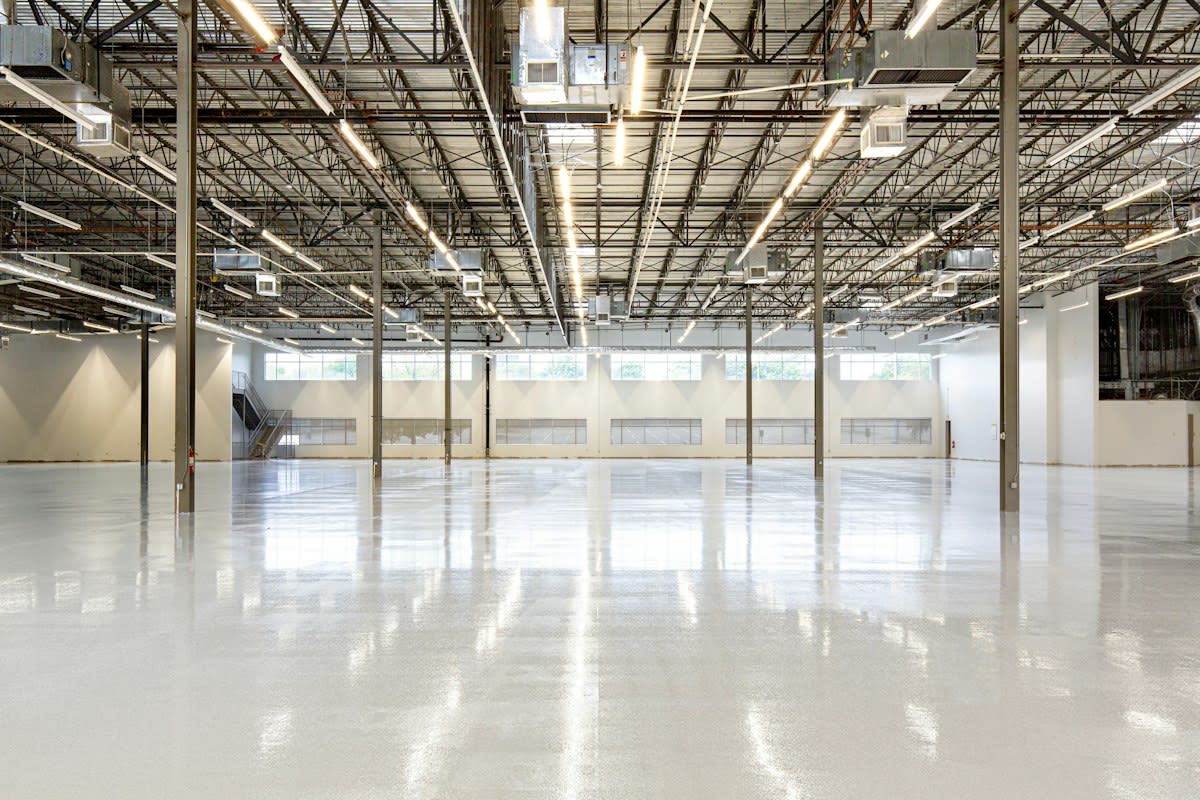
Burnout is not confined to the glass towers of Marunouchi. In the logistics warehouses of the Tokyo Bay area, the air tastes of alkaline dust and diesel soot. Workers here operate under the pressure of just-in-time delivery cycles that leave no room for human error. The physical toll is compounded by a rigid hierarchy that discourages reporting of fatigue (Source: Japan Logistics Association, 2023).
Consider the server farms in Chiba. Humming transformers drown out the sound of breathing in rooms chilled to a precise, freezing temperature. Technicians breathe stale air-conditioning for twelve-hour shifts, monitoring racks that never sleep. The cognitive strain of maintaining zero-downtime infrastructure creates a state of hyper-vigilance that persists long after they leave the damp concrete of the facility.
"The law changed the paperwork, but it did not change the culture. We see a rise in service overtime—work done off the clock to avoid triggering legal alerts. The burnout is now invisible, making it harder to treat."— Dr. Kenji Sato, Labor Psychologist at Tokyo Wellness Institute
From a practitioner's perspective, the ground truth is a series of heated arguments in windowless conference rooms. Managers argue over the definition of a working hour while employees use productivity hacks to hide their exhaustion. The debate has shifted from how many hours are worked to how many hours are effectively logged. It is a game of numbers played against a backdrop of scorched asphalt and humming machinery.
Friction Point
The failure of implementation lies in the void between legislative intent and corporate habit. The 2019 law established caps, but it failed to provide a mechanism to handle the workload that remains after those caps are hit. The result is a shift toward shadow work, where employees perform tasks at home without reporting them to avoid corporate penalties.
- Service Overtime: The prevalence of unpaid, unrecorded labor to meet deadlines.
- Presenteeism: The cultural requirement to remain visible at the desk regardless of productivity.
- Digital Tethering: The expectation of immediate response via smartphone after official hours.
- Wellness Theater: The deployment of meditation apps as a substitute for reducing workloads.
This structural failure is most evident in the youth demographic. New graduates are entering a workforce that claims to value balance but rewards the endurance of stress. The distance between the promotional brochures and the actual state of the office is vast, leading to an increase in early-career resignations (Source: METI, 2023).
Editorial Note
The current trend indicates that wellness initiatives are being used as a shield by corporations to avoid making deep structural changes to workload distribution.
Fact-Check & Accuracy Note
All statistics are based on reported data from the Ministry of Health, Labour and Welfare (MHLW) and the Ministry of Economy, Trade and Industry (METI). Data on 'service overtime' is estimated based on survey samples due to the nature of unrecorded work.