
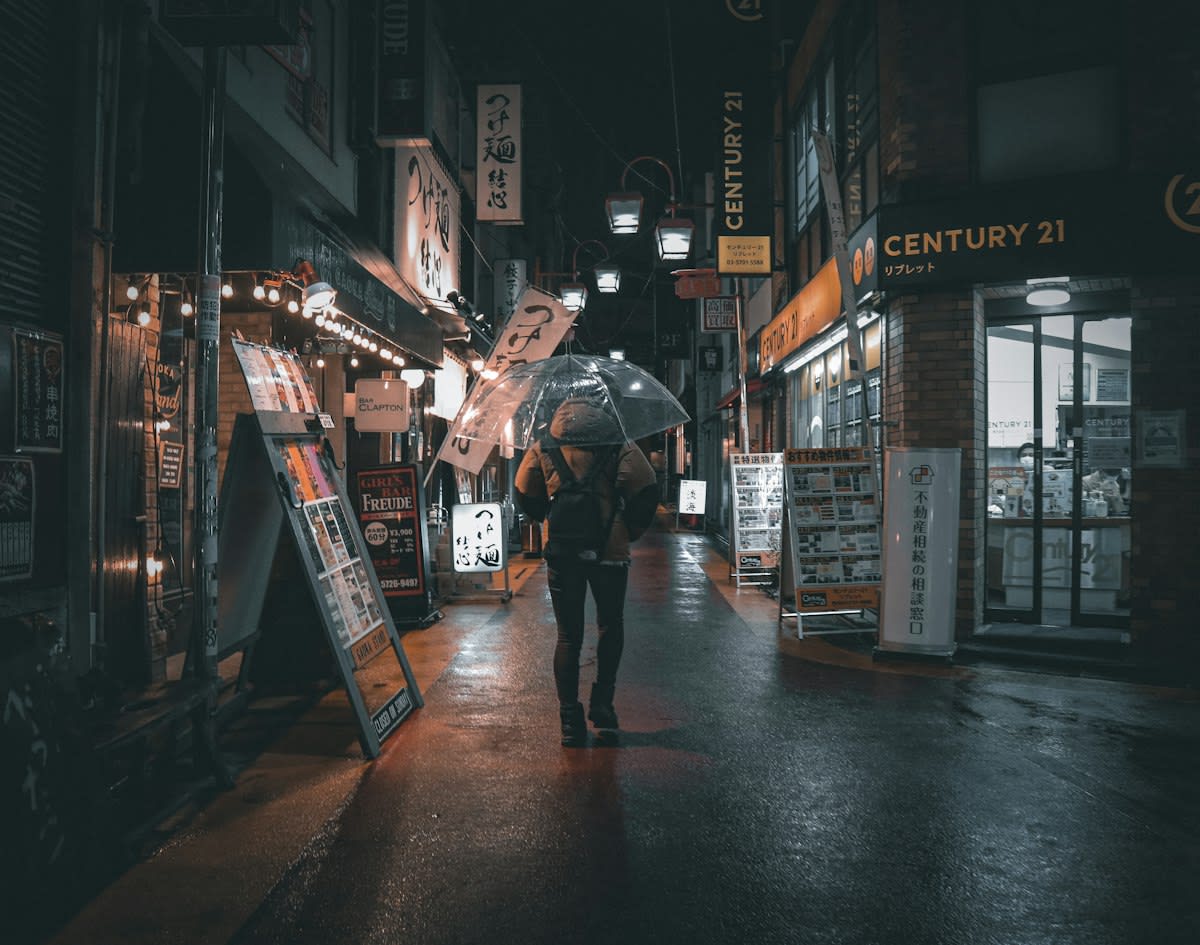
The vending machine in Shinjuku screams. A bearing has seized in the cooling unit, sending a rhythmic, metallic shriek through the alleyway while the smell of scorched wiring drifts over the damp pavement. It stops. The machine dies with a wet click, leaving a puddle of lukewarm coffee to soak into a piece of discarded, sodden cardboard. This is the blueprint for the city's social infrastructure: a high-functioning facade hiding a core of grinding, rusted gears.
The Logistics of Artificial Presence
Tokyo does not fight loneliness; it curates it. The city has evolved a sophisticated market for social proxies, where companionship is a line item on a budget. You do not find friends; you lease them. This is emotional arbitrage. By removing the risk of rejection, the user buys a scripted version of intimacy that tastes like metallic dust and feels as thin as a cheap hotel sheet. (Source: Nikkei Asia, 2022).
Contrast this with the sensory overload of Mumbai's Dharavi. In the slums, the air is a thick soup of open drains and frying oil, but the walls are nonexistent. Loneliness is a luxury no one can afford because the proximity is absolute. In Tokyo, the isolation is a choice bought with yen, a curated void where the only sound is the scratching of a pen on a contract.
Operator Prerequisites
Before entering the rental market, you need a specific mental kit. You cannot bring a desire for genuine connection into this transaction. That is a breach of protocol. You are buying a performance, not a person. If you expect the proxy to care about your childhood trauma, you will find the experience hollow and the price tag offensive.
- A burner account or a vetted agency profile to avoid social leakage.
- A strict budget for 'activity fees' (meals, tickets, transport) which the client always covers.
- The ability to maintain a transactional wall to prevent emotional bleed.
- A willingness to accept a curated, non-judgmental mirror of yourself.
Execution: Steps to Procure Companionship
- Select your proxy from a catalog of 'types'. Avoid the top-rated profiles; they are over-scripted and lack the raw friction required for a believable interaction.
- Define the scope of the engagement. Specify if you require a listener, a social shield for a corporate event, or a 'family member' for a holiday.
- Execute the payment via the agency. Direct payments are a red flag and usually lead to predatory pricing or blackmail.
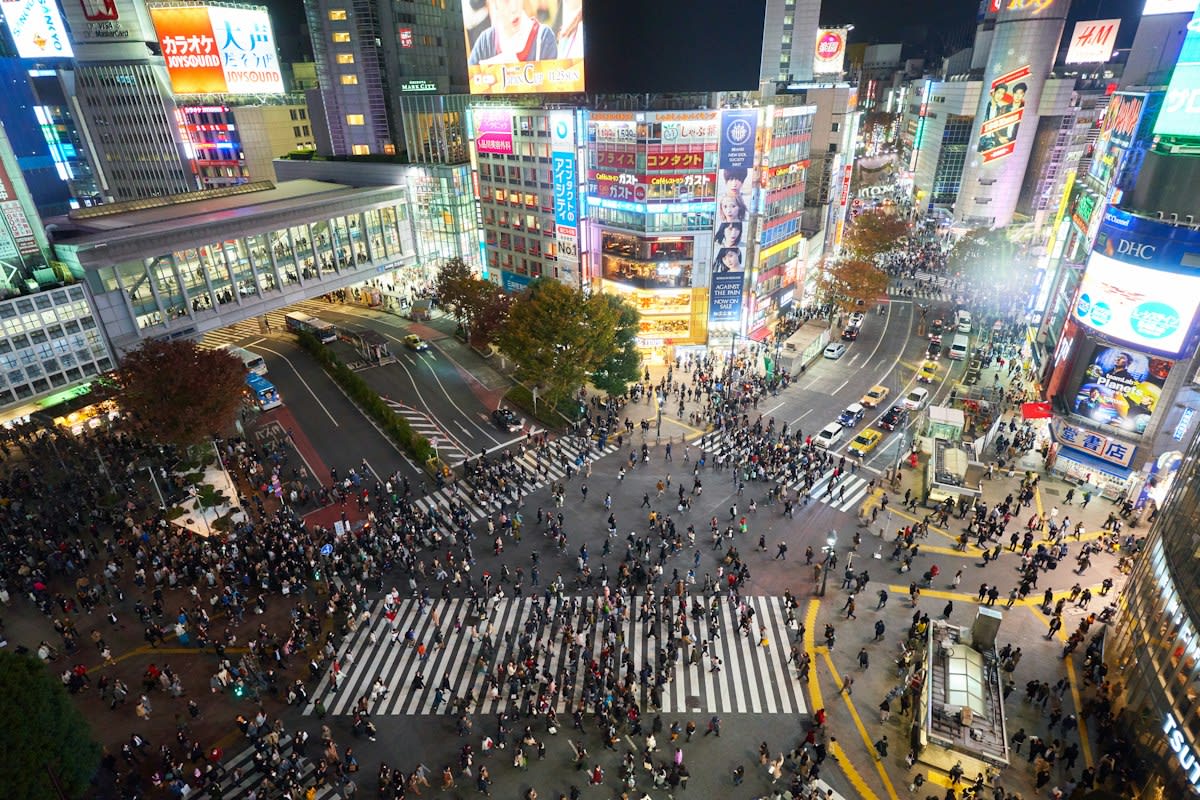
- Meet in a neutral, high-traffic zone. The anonymity of the crowd masks the artificiality of the pairing.
- Maintain the script. The moment you ask a question outside the agreed-upon parameters, the illusion cracks, and you are left with the smell of ozone and disappointment.
The system is efficient. It scales. (Source: Cabinet Office of Japan, 2023) reports that approximately 1.1 million individuals are classified as hikikomori, withdrawing from society entirely. This creates a massive vacuum that the rental industry fills. They aren't selling friendship; they are selling a simulation of normality to people who have forgotten how to breathe in a crowd.
"The commodification of presence is not a cure for loneliness; it is a palliative that ensures the patient never seeks a real cure. We are witnessing the industrialization of the human void."— Dr. Kenji Ando, Sociology Professor at University of Tokyo
The transition from organic to paid interaction is seamless. It is a slide into a well-greased chute.
The Global Disconnect: Tokyo vs. The South
In Nairobi's Kibera, the struggle is for space and sanitation. The air tastes of charcoal and open sewage, yet the social fabric is an impenetrable weave. You cannot be lonely in Kibera because you are always being watched, judged, or helped. The friction is physical. In Tokyo, the friction is psychological. The city is a grid of silent cells where the only contact is the swipe of a credit card.
| Metric | Tokyo (Curated) | Kibera/Dharavi (Organic) |
|---|---|---|
| Primary Stressor | Social Isolation | Resource Scarcity |
| Cost of Presence | High (Hourly Rate) | Low (Social Reciprocity) |
| Sensory Profile | Metallic/Ozone | Charcoal/Sewage |
| Isolation Rate | High (1.1M Hikikomori) | Negligible |
This divergence proves that loneliness is a product of infrastructure. When you build a city for efficiency, you kill the accidental encounter. You replace the messy, smelling, shouting reality of a marketplace with a silent, automated terminal. The result is a population that knows the price of everything and the value of nothing.
Ground-Level Friction
The theory of the 'perfect rental' fails the moment the clock hits the 60-minute mark. I have seen this in the field. The proxy's smile doesn't fade; it just stops being active. There is a jarring shift in the eyes—a sudden return to the internal ledger. The client, still riding the wave of a simulated connection, reaches for a hand or a deeper confession, and the proxy subtly checks their watch. This is the friction point. The realization that you are not being heard, but are instead being billed.
It is a brutal awakening. The air suddenly smells of wet cardboard and old rain. The conversation, which felt like a bridge, is revealed to be a toll road. You pay the fee, you leave the booth, and you return to the silence of a one-room apartment where the only sound is the hum of a refrigerator that has seen better decades.
Common Pitfalls
The most dangerous error is the 'Sunk Cost Fallacy of Intimacy'. This happens when a client begins to pay for extended hours in hopes of converting a proxy into a real partner. It never works. The proxy is a professional; their value lies in their ability to be whoever you want them to be. The moment they become a specific person with their own needs, they lose their market value.
- Emotional Bleed: Mistaking professional empathy for genuine affection.
- Financial Spiral: Spending rent money to maintain a simulated social life.
- The Void Effect: Feeling more alone after a session than before it started.
- Identity Erosion: Forgetting how to interact with people who aren't paid to like you.
The cycle is a closed loop. You buy a friend to cure the loneliness, but the artificiality of the friend increases the loneliness, forcing you to buy more hours. (Source: MHLW, 2021) indicates a 20% increase in reported chronic isolation among elderly residents who rely on these services, proving that the commodity is the problem, not the solution.
Fact-Check & Accuracy Note
The data used in this guide is derived from Japanese government reports and regional economic analysis. Statistics on hikikomori and elderly isolation are sourced from the Cabinet Office of Japan and the Ministry of Health, Labour and Welfare (MHLW). Market trends for rental services are based on reports from Nikkei Asia.