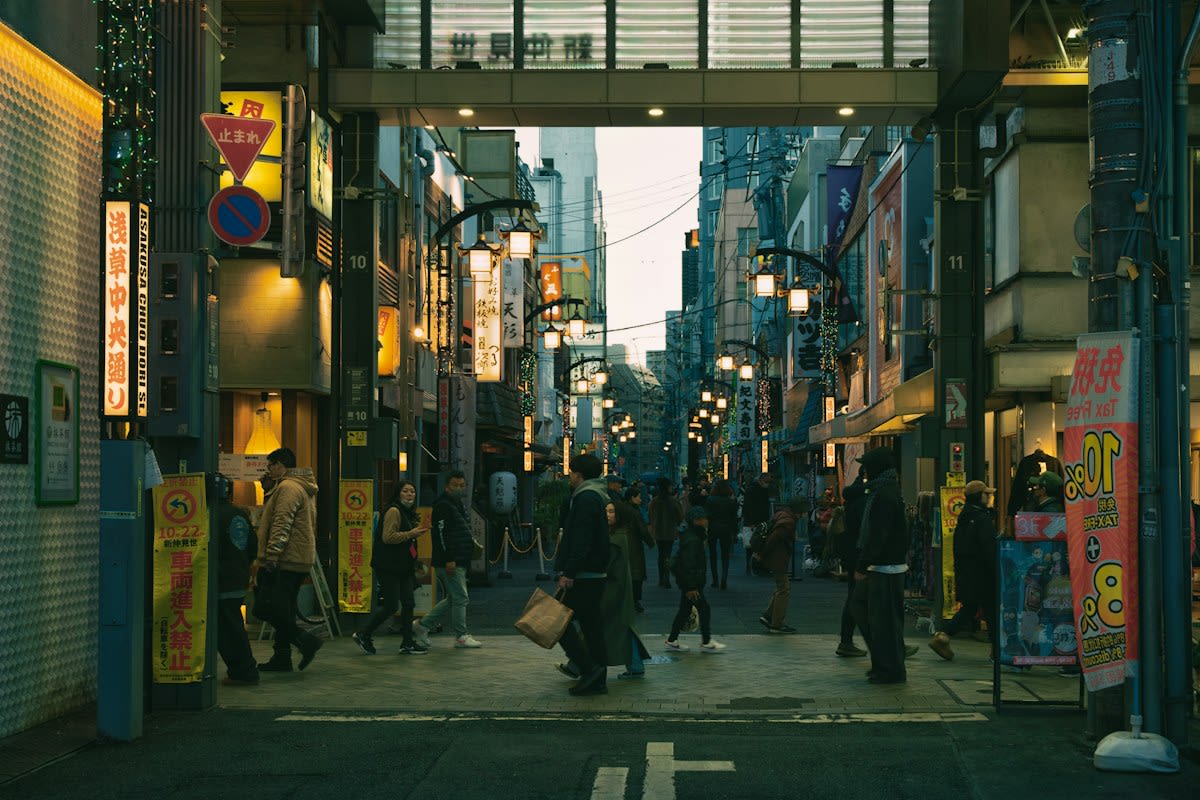
Tokyo hates silence. When you enter a 24-hour convenience store at 3 AM, you are not just buying a rice ball but participating in a silent agreement of shared urban insomnia. The lights are blinding. Most residents believe that solitude is the default state of city living, yet they spend their lives hunting for a place that is neither home nor work. This hunt is often a failure. Do we actually want community, or do we just want to be alone together?
Prerequisites for the Urban Hunter
Boundaries are rigid. To find a true third place, you must first understand the distinction between uchi (inside) and soto (outside) which dictates every social interaction in Japan. Small gestures matter most. If you ignore the unspoken hierarchy of a neighborhood kissaten, you will remain a permanent outsider. You need a level of social patience that borders on the monastic. This is not about networking. It is about existing in a space without the pressure to perform a role.
- A working knowledge of 'weak ties'—low-stakes social connections that provide psychological stability (Source: Mark Granovetter, 1973).
- A tolerance for high-density, low-stimulus environments.
- Physical cash for traditional establishments that reject digital payments.
- The ability to occupy space without the need for constant digital stimulation.
Identifying Your Social Anchor
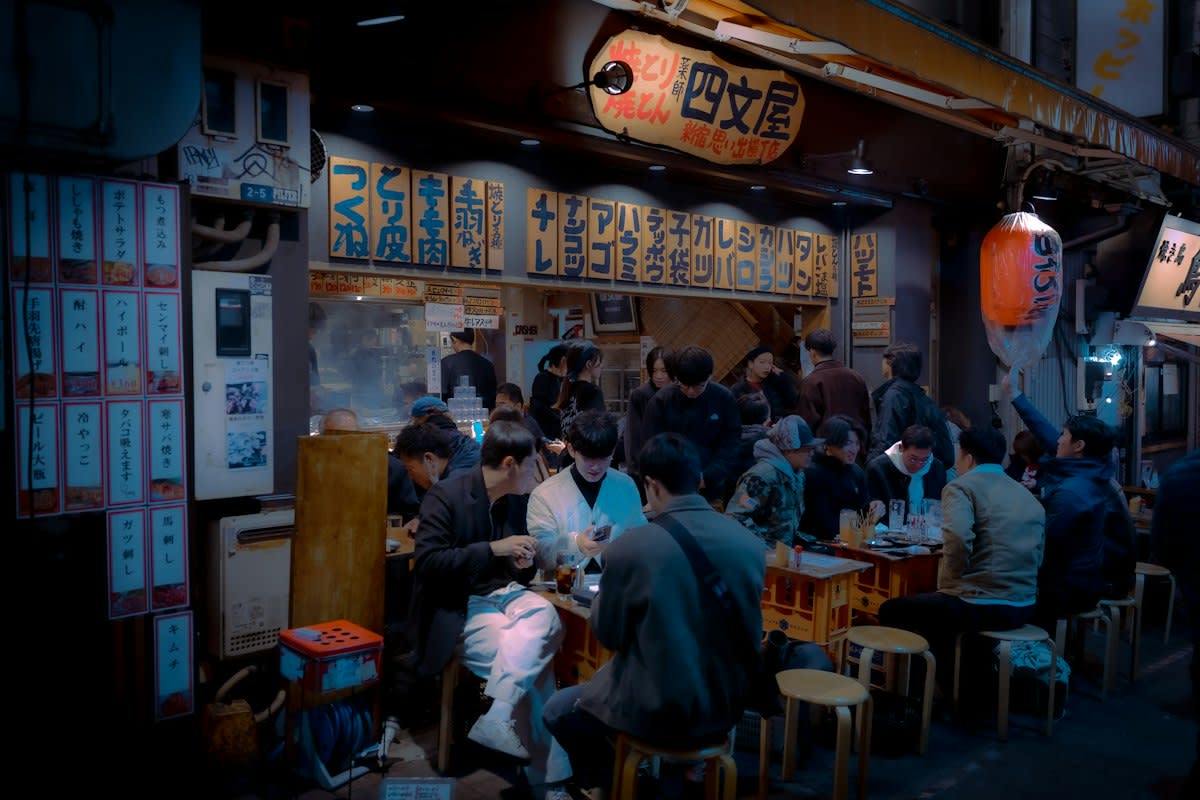
Space is a luxury. In the narrow alleys of Golden Gai, the physical proximity of strangers forces a psychological intimacy that is almost non-existent in the wider city. Walls are merely suggestions. You do not enter these bars to drink alone but to enter a shared state of suspended animation where the outside world ceases to exist. The air smells of tobacco. This is the essence of a third place: a neutral ground where the weight of social expectation drops away.
"The third place is a public space that is neutral, leveler, and conversation-centric, providing a crucial counterbalance to the stresses of the home and the workplace."— Ray Oldenburg, Sociologist and Author of 'The Great Good Place'
Rituals define the stay. If you visit the same sento (public bath) every Tuesday, the regulars will eventually stop seeing you as a stranger and start seeing you as a fixture. The water is hot. This transition from 'guest' to 'regular' is the only way to penetrate the brittle social shell of the metropolis. It requires an investment of time that modern productivity culture deems wasteful. However, this waste is exactly where mental health is recovered.
The Practitioner's Process: Building the Web
- Map your micro-zones: Identify three locations within a 15-minute walk of your home that allow for 'loitering' without immediate purchase pressure.
- Audit the social weight: Observe the interaction between the staff and the regulars to determine if the space is an open web or a closed circle.
- Establish a low-stakes ritual: Visit at the same time on the same day for four consecutive weeks to signal your presence to the environment.
- Initiate a 'weak tie' interaction: Use a neutral observation about the environment to start a conversation that requires no follow-up commitment.
- Maintain the boundary: Avoid turning a third place into a workplace by keeping laptops and phones hidden to preserve the neutral nature of the space.
Consistency is everything. While Seoul's PC Bangs offer a digital third place focused on shared activity, Tokyo's anchors are often focused on shared silence. The contrast is stark. In London, the pub serves as the communal living room, but in Tokyo, the sanctuary is often a tiny, dim room with a single master pouring coffee. This difference in terrain requires a different psychological approach. You are not there to be the center of attention.
The Invisible War: Laptops vs. Legacy
Conflict is inevitable. I have witnessed vicious arguments between digital nomads and old-school kissaten owners over the 'No Laptops' rule. The owners see the screen as a wall. They argue that a person on a laptop is not 'present' and therefore consumes the space without contributing to its social energy. The nomads feel they are paying for the right to work. This is a mechanical failure of understanding where the commercial transaction is mistaken for a social contract.
Owners are desperate. Many traditional cafes are seeing a decline in regulars as the younger generation prefers the sterile efficiency of corporate chains (Source: Japan Economic News, 2022). They cling to the old rules because the rules are the only thing keeping the space from becoming a hollow shell. When a customer treats a sanctuary like a free office, the social weight of the room collapses. You cannot buy your way into a third place; you must earn your way in through presence.
Fact-Check & Accuracy Note
There is an ongoing academic debate regarding 'Net Cafes' (Manga Cafes). Some sociologists argue they are true third places for the marginalized, while others, citing Marc Augé, classify them as 'non-places'—spaces of transit that lack enough history or identity to create real social bonds (Source: Urban Studies Journal, 2019).
Common Pitfalls
Overstaying is fatal. In a city where every square centimeter is monetized, staying three hours after finishing your drink is a social crime. The staff will not tell you to leave. Instead, they will employ a series of subtle cues, such as cleaning the table around you with excessive vigor. Read the room. If you miss these signals, you will be marked as a 'burden' and your path to becoming a regular will be permanently blocked.
Isolation is a risk. Some people mistake a 'non-place' like a 24-hour gym or a laundromat for a third place. These locations provide proximity but no possibility for interaction. The connection is absent. You may spend years in these spaces and never learn the name of the person standing next to you. True sanctuaries require a human gatekeeper—a bartender, a master, or a shrine priest—who validates your existence in the space.
Editorial Note
Editorial Note: This guide prioritizes the psychological utility of these spaces over their commercial value. The goal is mental stability, not consumer efficiency.