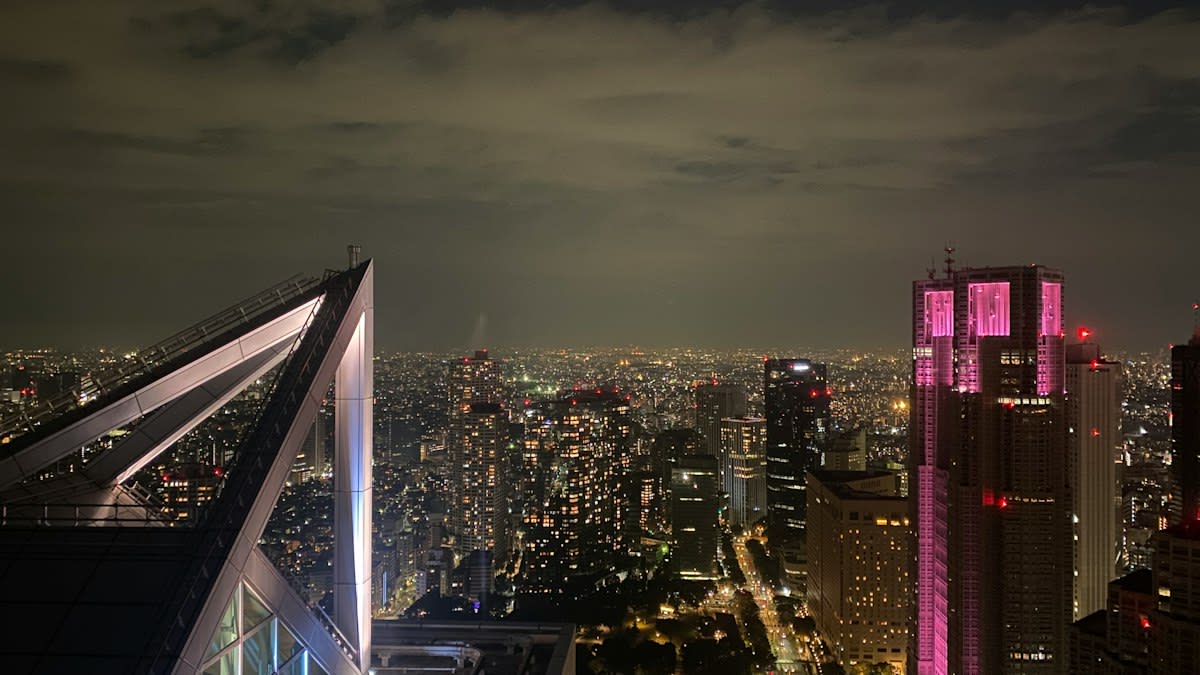
Neon signs bleach the Shinjuku skyline. The biological cost of this LED-bleached environment manifests as chronic circadian misalignment, where the brain's internal clock struggles against the relentless artificial glare of the metropolis. In the narrow alleys of Golden Gai, the air is greasy with the scent of yakitori and oxidized metal, masking a deeper, systemic exhaustion. This is not merely tiredness; it is a clinical failure of the sleep-wake cycle forced upon a population that treats sleep as a luxury rather than a right.
The city is now treating sleep as a quantifiable asset. In the high-end districts, the notion of rest has mutated into a precise pharmacological protocol, often utilizing timed tea rituals to mimic the effects of sedative medication without the chemical baggage (Source: Luxury Boutique Magazine, 2026). This reconfiguration of rest suggests that the human body is no longer viewed as a self-regulating organism but as a piece of hardware requiring specific, timed inputs to avoid system failure. The objective is no longer feeling refreshed, but achieving a specific data point on a graph.
The Clinical Bed: Silicon-Etched Rest
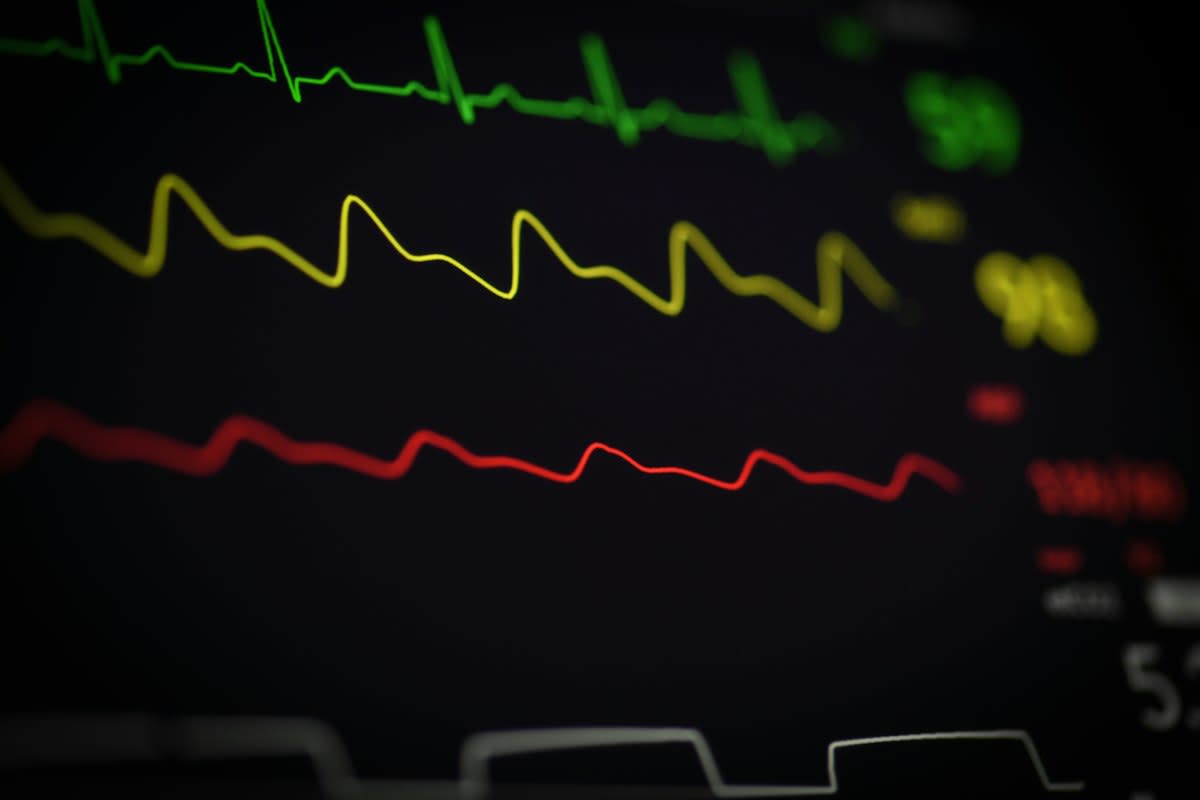
At the Chinzanso Tokyo hotel, sleep is stripped of its mystery and reduced to copper-wire signals. The facility has deployed EEG-based InSomnograph devices that capture the raw electrical activity of the brain, providing guests with objective data on their sleep architecture, specifically the oscillation between REM and NREM cycles (Source: Luxury Boutique Magazine, 2026). This is not a consumer gadget; it is a clinical-grade apparatus that mirrors the precision of a sleep laboratory. By turning the bedroom into a diagnostic suite, the hotel transforms the act of sleeping into a performance that can be measured, audited, and optimized.
"The precision of the instruments, timed tea rituals, frequency-specific music, and five-star service create an experience that one industry observer called sleep as measurable as body temperature."— Industry Observer, cited in Luxury Boutique Magazine
This obsession with measurement is driven by a growing fear of neurodegenerative decay. Research indicates that disturbances in circadian rhythms are early biomarkers for severe brain diseases, with REM sleep abnormalities potentially preceding the clinical onset of Parkinson’s disease by several years (Source: Luxury Boutique Magazine, 2026). Consequently, the wealthy in Tokyo are not buying a better night's sleep; they are buying a diagnostic early-warning system. The bed has become a sensor array, and the sleeper is the specimen.
The Thermal Market: Water as a Utility
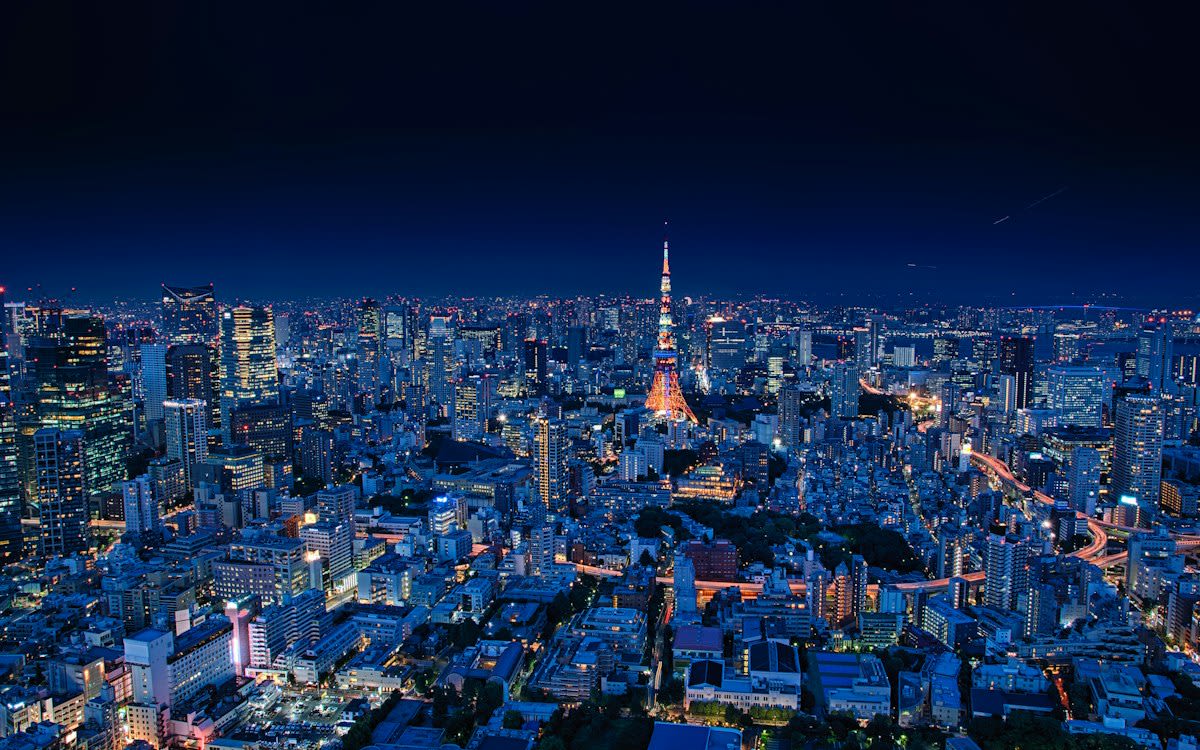
Beyond the silicon sensors, Tokyo is leveraging thermal regulation to force the body into a state of recovery. Urban onsen ryokan properties are proliferating in the city center, blending traditional hospitality with modern, clinical design to combat urban stress. Market briefings from the Japan Tourism Agency and JNTO indicate that travelers are willing to pay a premium of 30 to 50 percent for guest rooms that include a private onsen or open-air bath (Source: JNTO, 2026). This price hike reflects the scarcity of silence and thermal solitude in a city of 14 million people.
| Intervention Method | Primary Mechanism | Economic/Time Cost | Source |
|---|---|---|---|
| EEG InSomnograph | REM/NREM Monitoring | Luxury Hotel Premium | Luxury Boutique Magazine, 2026 |
| Urban Onsen | Thermal Regulation | 30-50% Room Premium | JNTO, 2026 |
| Natural Adjustment | Circadian Reset | 14 Days Recovery | Timeshifter, 2026 |
The thermal strategy is often used as a bridge for those arriving from the West. Experts suggest booking a city hotel with an onsen room for the initial nights to mitigate the biological shock of the time zone change before moving to rural retreats in Hakone (Source: Hot-Spring-Inn, 2026). This is not about relaxation; it is about utilizing temperature to manipulate the body's internal clock. The water is a tool, the heat is a catalyst, and the result is a faster return to productivity.
The Chronometry Crisis
The distance between New York and Tokyo is not just measured in miles, but in cellular disruption. Crossing 12 or more time zones creates a profound misalignment that the human body cannot resolve quickly. Without intervention, full recovery from a New York to Tokyo flight can take approximately two weeks (Source: Timeshifter, 2026). This fourteen-day window is a dead zone of cognitive impairment, where the brain operates in a fog of sleep inertia and circadian drift.
For those who cannot afford a two-week blackout, the solution is technical. The use of sleep cycle calculators and chronometry tools allows individuals to map their REM phases and optimize wake-up times to avoid the heaviest periods of sleep inertia (Source: TimeNumbers, 2026). By treating the wake-up call as a precision strike rather than a gradual awakening, the corporate class attempts to bypass the biological reality of jet lag. They are trying to hack a system that is fundamentally analog using silicon-etched logic.
The Practitioner's Friction
On the ground, this looks like a war between the body and the calendar. I have seen executives in Minato-ku staring at InSomnograph reports with the same intensity they apply to quarterly earnings, frustrated that their REM cycles are not meeting the projected benchmarks. There is a palpable friction when the clinical data contradicts the subjective feeling of exhaustion. The debate in these circles is no longer about how much sleep one needs, but about the efficiency of the sleep architecture. If the EEG says you recovered, but your brain feels like oxidized copper, the data wins.
Failure Points
The primary failure point in Tokyo's sleep industrial complex is the assumption that measurement equals cure. Tracking a REM deficiency via an EEG device does nothing to resolve the environmental causes of that deficiency—the fiber-optic glare and the high-cortisol work culture. Furthermore, the reliance on high-cost interventions like private onsens creates a biological divide. The salaryman sleeping in a capsule hotel has no access to these thermal resets, leaving them in a permanent state of circadian misalignment while the elite buy their way back to neurological health.
Editorial Note
The shift toward sleep-as-a-service is a symptom of a society that has exhausted all other forms of productivity. When you can no longer optimize your working hours, you begin to optimize your unconscious hours.
Fact-Check & Accuracy Note
All data regarding jet lag recovery times and onsen pricing premiums are sourced from 2026 industry reports. EEG capabilities mentioned are specific to the Chinzanso Tokyo installation as reported in Luxury Boutique Magazine.