
The Pacific Pulse
The Pacific is warming. It is a slow-motion train wreck for the tropics. Right now, governments across Latin America are mobilizing firefighters and activating contingency plans as El Niño strengthens, bringing a cocktail of drought, extreme heat, and flooding to Brazil, Colombia, and Central America. The urgency is palpable, but the history of the region is littered with forecasts that never became action. Rodney Martinez of the World Meteorological Organization is clear: the moment for proactive decision-making is now, or the food and energy systems of these nations will buckle under the pressure.
Why does this timing matter? Because the delta between a forecast and a harvest is where millions of dollars in crop value are lost. In previous El Niño events, the failure to turn meteorological data into operational reality caused widespread economic damage. The current mobilization effort is not just about firefighting; it is about whether the political consistency exists to protect water and transportation systems before the heat peaks. The stakes are not theoretical; they are existential for the agricultural heartlands of the Southern Hemisphere.
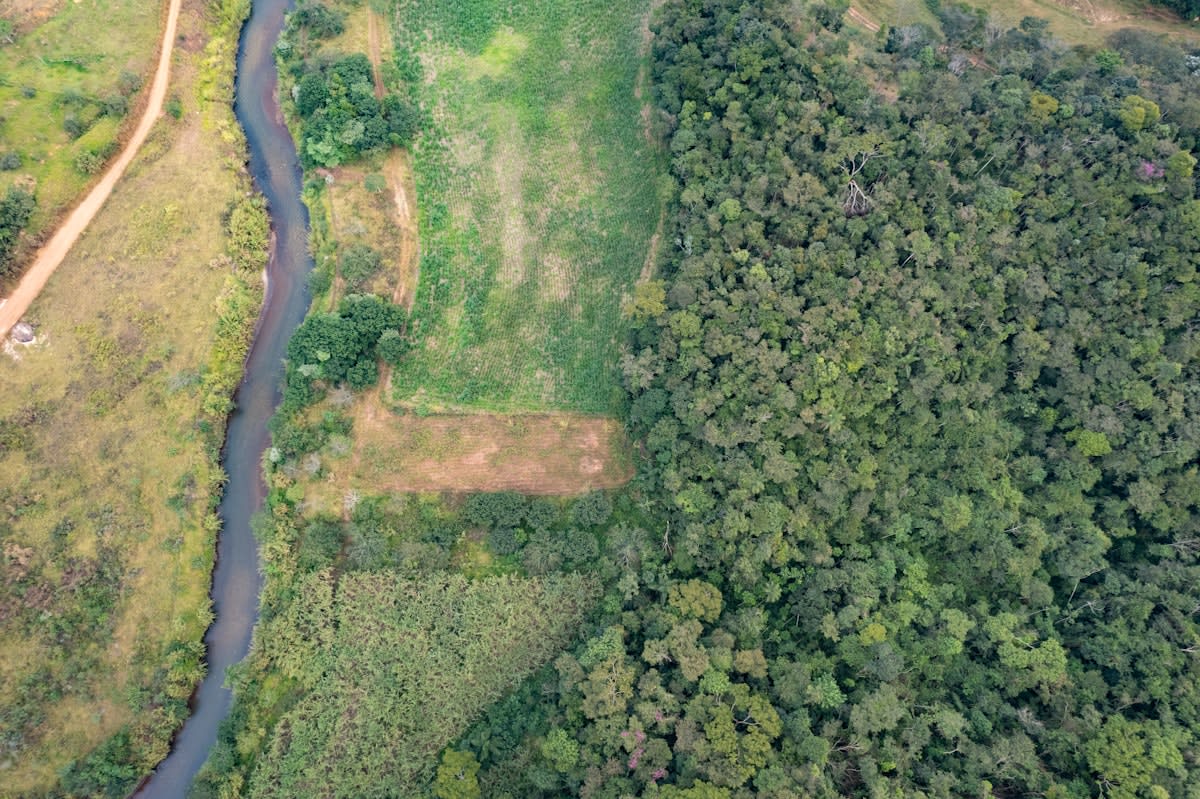
The Genetic Shield
While the weather is unpredictable, the pathogens that follow are not. A significant breakthrough in resilience is emerging from the development of advanced DNA tools designed to detect plant pests and diseases with clinical precision. Scientists at The James Hutton Institute are currently building a roadmap to utilize DNA technology for the monitoring of harmful pathogens. By identifying the gaps in existing databases, this initiative ensures that biosecurity responses are based on genetic certainty rather than visual guesswork.
The core of this strategy lies in the creation of accessible and complete DNA reference libraries. Without these libraries, the detection of an emerging threat is essentially a shot in the dark. When a new pest hits a tropical plantation, the ability to rapidly sequence its DNA and match it against a global library allows for a targeted response. This shifts the defensive posture from reactive damage control to a proactive strike against biological threats.
"Having accessible and complete DNA reference libraries is really important for widespread and reliable implementation of DNA-based diagnostics for detection of key pests and pathogens."— Dr. David Cooke, Plant Pathologist at the Hutton Institute
Genetic monitoring is the first line of defense, but it requires a delivery mechanism to be effective. The real power emerges when this molecular intelligence is paired with orbital surveillance.
Orbital Intelligence and the 70 Percent Threshold
We are seeing a fundamental transformation in how food is grown. Satellite-based precision agriculture is moving from a niche luxury to a global standard. Projections indicate that over 70% of large crop farms worldwide will utilize satellite-based precision farming technologies by 2026. This is not just about taking pictures from space; it is about the integration of high-resolution, high-frequency imagery with AI and machine learning to deliver real-time, actionable insights into crop health.
Consider the difference in efficiency. Traditional farming relies on broad-stroke management—treating an entire field as a single unit. Precision agriculture allows for highly targeted, data-driven interventions. Farmers can now identify exactly which square meter of a plantation is stressed by drought or infested by pests, allowing them to apply resources only where they are needed. This resource efficiency is the only way to maintain yields when water becomes a scarce commodity during an El Niño cycle.
| Feature | Broad-Stroke Management | Precision Agriculture |
|---|---|---|
| Resource Application | Uniform across field | Targeted spot-application |
| Data Source | Manual observation | Satellite AI & ML |
| Response Time | Reactive (after visible damage) | Proactive (real-time insights) |
| Adoption Rate (Large Farms) | Legacy Standard | 70% by 2026 |
Ground-Level Execution
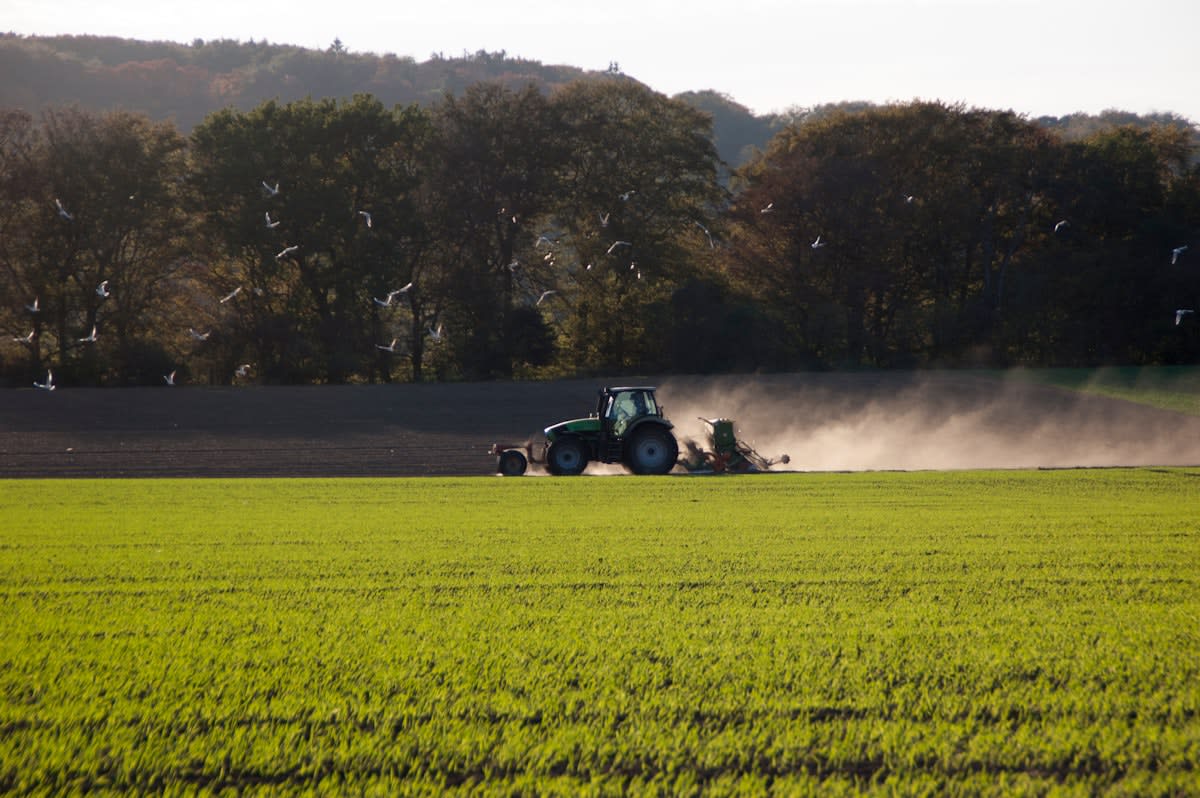
The intelligence gathered from satellites is only as good as the machinery that executes the solution. This is where precision spraying enters the frame. The expansion of technologies like those from WEED-IT USA demonstrates the market's hunger for spot-spraying systems. By reducing the volume of chemicals used and targeting only the weeds or diseased plants, farmers are slashing costs and environmental impact simultaneously.
Is this enough to save the tropics? The synergy between DNA-based detection, satellite monitoring, and precision application creates a closed-loop system of resilience. When the James Hutton Institute's DNA tools identify a pathogen, and satellite AI pinpoints its spread, precision spraying can neutralize the threat before it becomes a regional catastrophe. This is the new blueprint for food security in an era of climatic volatility.
The Compounding Crisis
The fragility of the region is not just climatic. Venezuela recently faced two powerful earthquakes (7.2 and 7.5 magnitude) on June 24, resulting in a death toll that surpassed 5,069. With 856 buildings damaged and 190 collapsed, the regional infrastructure is under immense strain. When seismic disasters collide with El Niño-driven droughts, the capacity for agricultural recovery diminishes, making precision technology an absolute necessity rather than a choice.
The intersection of environmental shock and technological adoption is where the future of tropical farming will be decided. The 16,740 people injured in the Venezuelan quakes and the thousands of aftershocks recorded serve as a grim reminder that the tropics are a high-risk zone. In such an environment, the ability to protect a crop with 70% efficiency via satellite and genetic tools is the difference between stability and famine.
Projected Adoption of Satellite-Based Precision Farming in Large Crop Farms
Executive Insight
+18.4%
YTD Growth
We are witnessing the end of the era of guesswork in agriculture. The transition from broad-stroke management to targeted, data-driven interventions is accelerating. As Latin American governments struggle to prepare for the heat and floods of El Niño, the integration of DNA diagnostics and orbital AI offers a tangible path toward resilience. The tools exist; the only remaining question is whether the implementation can outpace the warming of the Pacific.