Amarnath, Vaishno Devi Yatras To Be Temporarily Suspended From July 19 Amid Weather Forecast
Source Entity
NDTV News Search Records Found 1000
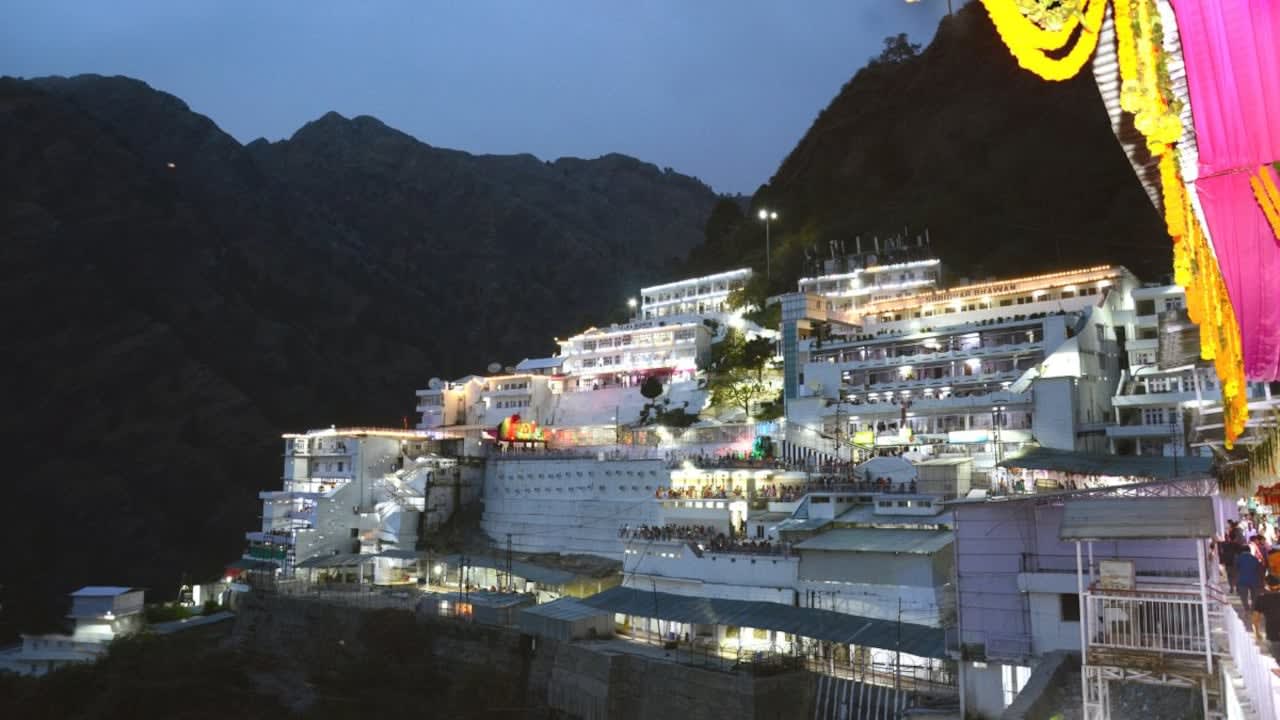
Authorities have temporarily suspended the Amarnath and Vaishno Devi Yatras starting July 19, 2026, due to an IMD forecast of widespread rainfall. Movement from key base camps and convoys from Jammu have been halted to ensure pilgrim safety.
Weather-Induced Suspension of Major Pilgrimages in Jammu and Kashmir
In a decisive move to prioritize human life over religious schedules, authorities in Jammu and Kashmir have announced the temporary suspension of two of the region's most significant spiritual journeys: the Shri Amarnathji Yatra and the Mata Vaishno Devi Yatra. Effective from July 19, 2026, this suspension comes as a direct response to severe weather warnings issued by the India Meteorological Department (IMD). The decision reflects a critical intersection of faith and safety, where administrative caution is deployed to mitigate the risks associated with the volatile terrain of the Himalayas during periods of intense precipitation.
Analysis of IMD Forecasts and Environmental Risks
The India Meteorological Department has predicted moderate to widespread rainfall across Jammu and Kashmir from July 19 to July 23. In high-altitude regions, such rainfall is rarely a benign event; it often triggers a cascade of geological hazards, including landslides, mudslides, and flash floods. For pilgrims traversing steep mountain passes, these conditions can turn a spiritual journey into a perilous ordeal. By suspending movement during this specific five-day window, the administration is acting on data-driven insights to prevent potential tragedies that frequently occur when heavy rains destabilize the fragile slopes of the Kashmir valley.
Logistical Restrictions and Operational Halts
The suspension is comprehensive, targeting all primary transit points to ensure no pilgrims are caught in the danger zone. Kashmir Divisional Commissioner Anshul Garg has specified that no onward movement will be permitted from the Baltal and Nunwan/Chandanwari base camps. These locations serve as the primary gateways for the Amarnath Yatra via the Baltal and Pahalgam routes, respectively. Furthermore, the restriction extends to the very beginning of the journey, with pilgrim convoys being barred from proceeding from the Bhagwati Nagar Yatri Niwas in Jammu. This multi-layered blockade ensures that the flow of people is stopped at the source, preventing overcrowding at base camps during inclement weather.
Administrative Mandate for Public Safety
The statement issued by Commissioner Anshul Garg emphasizes that these measures are strictly "precautionary." The primary objective is the "safety and well-being of the pilgrims," highlighting a governance approach that prioritizes risk aversion in the face of natural unpredictability. The coordination between the IMD and the divisional administration demonstrates a streamlined emergency response mechanism designed to react swiftly to meteorological shifts. This proactive stance is essential given the scale of these pilgrimages, where thousands of people move through narrow corridors with limited evacuation options.
Context of High-Altitude Pilgrimage Management
Historically, the Amarnath and Vaishno Devi Yatras have always been subject to the whims of nature. The Amarnath Yatra, in particular, occurs in an extremely high-altitude environment where weather can shift from clear skies to blinding snow or torrential rain within hours. Managing such mass gatherings requires a delicate balance between facilitating religious freedom and maintaining strict safety protocols. The current suspension is a continuation of a broader trend toward more rigorous, weather-based management of these events, utilizing real-time forecasting to avoid the disasters seen in previous decades of mountain trekking.
Conclusion and Future Outlook
As the region awaits the passing of the current weather system, the suspension serves as a reminder of the vulnerability of human activity in the Himalayan belt. The temporary halt of the Yatras from July 19 to 23 is a necessary interruption to ensure that the pilgrimage remains a safe experience. Moving forward, it is likely that the integration of more sophisticated early-warning systems will become standard for such events, allowing authorities to implement precise, window-based suspensions that protect lives while minimizing disruption to the faithful. The focus now remains on monitoring IMD updates to determine when it is safe for the convoys and pilgrims to resume their journeys.
Multiple Citing Sources
Verification Required?