Rain havoc in J&K: 4 killed, several missing; Omar Abdullah leaves Delhi ahead of statehood protest
Source Entity
Arun Sharma
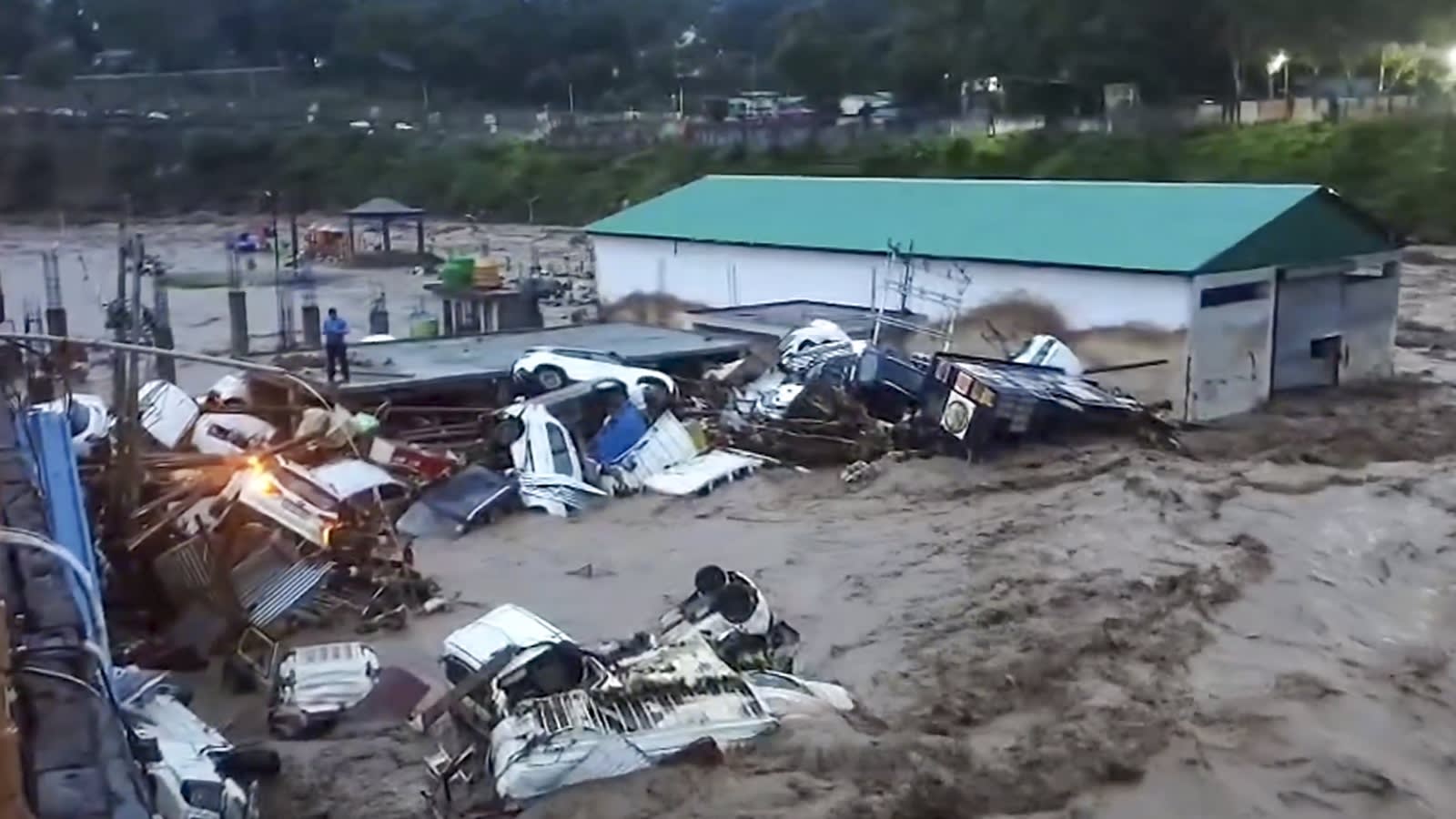
Severe flash floods in Jammu and Kashmir's Rajouri and Poonch districts have caused significant property damage, displaced hundreds, and resulted in four deaths. Authorities have suspended major pilgrimages and initiated large-scale rescue operations to manage the ongoing crisis.
Devastating Flash Floods Strike Jammu and Kashmir
On the morning of July 19, 2026, the Jammu and Kashmir region was struck by catastrophic flash floods following an intense bout of overnight rainfall. The deluge, which began Saturday evening, severely impacted the Rajouri and Poonch districts, turning once-quiet residential areas into scenes of destruction. Rivers, including the Dharhal River, breached their banks, resulting in the inundation of low-lying areas, including the new bus stand in Rajouri town.
Immediate Impact and Humanitarian Crisis
The human cost of this weather event has been severe. In Poonch district, specifically the Surankote tehsil, at least four individuals have been confirmed dead, with others reported missing. Among the tragic losses was Nazia Kousar, a 28-year-old woman who perished when her home collapsed in Noonabandi village. The displacement has been widespread; over 50 families residing near the Abdullah Bridge were forced to abandon their homes as floodwaters surged, while residents near the Tariq Bridge also faced significant distress and were forced to evacuate to safer locations.
Infrastructure and Economic Disruption
The physical damage to the region is extensive. Local officials and Congress MLA Iftkhar Ahmad have reported significant destruction to both public and private property. Dozens of vehicles were either swept away by the currents or left completely submerged, causing massive logistical disruption throughout the town. The flooding of critical infrastructure, such as the new bus stand, has effectively brought mobility in Rajouri to a standstill, complicating the efforts of first responders.
Administrative and Security Response
In response to the escalating crisis, the Lieutenant Governor of Jammu and Kashmir has actively reviewed the situation to coordinate the state's response. Rescue and relief teams, bolstered by the local administration and police, were immediately deployed to address distress calls, evacuate stranded families, and begin the arduous process of assessing the damage. The intensity of the weather has also necessitated the temporary suspension of the Amarnath and Vaishno Devi Yatras, a precautionary measure to ensure the safety of thousands of pilgrims amidst the unstable terrain.
Broader Implications and Future Outlook
This event underscores the increasing vulnerability of the Jammu and Kashmir region to extreme weather patterns, likely exacerbated by shifting climate conditions. The combination of flash floods and landslides in mountainous terrain creates a complex challenge for disaster management. As the region remains on high alert—with neighboring Himachal Pradesh also under a red alert—the focus remains on immediate relief and the restoration of critical access routes. Looking forward, the administration will likely need to prioritize long-term infrastructure resilience and improved early-warning systems to mitigate the risks posed by such high-intensity rainfall events in the future.
Multiple Citing Sources