China Could Be About to Remove Oil's Biggest Safety Net
Source Entity
Yahoo Finance
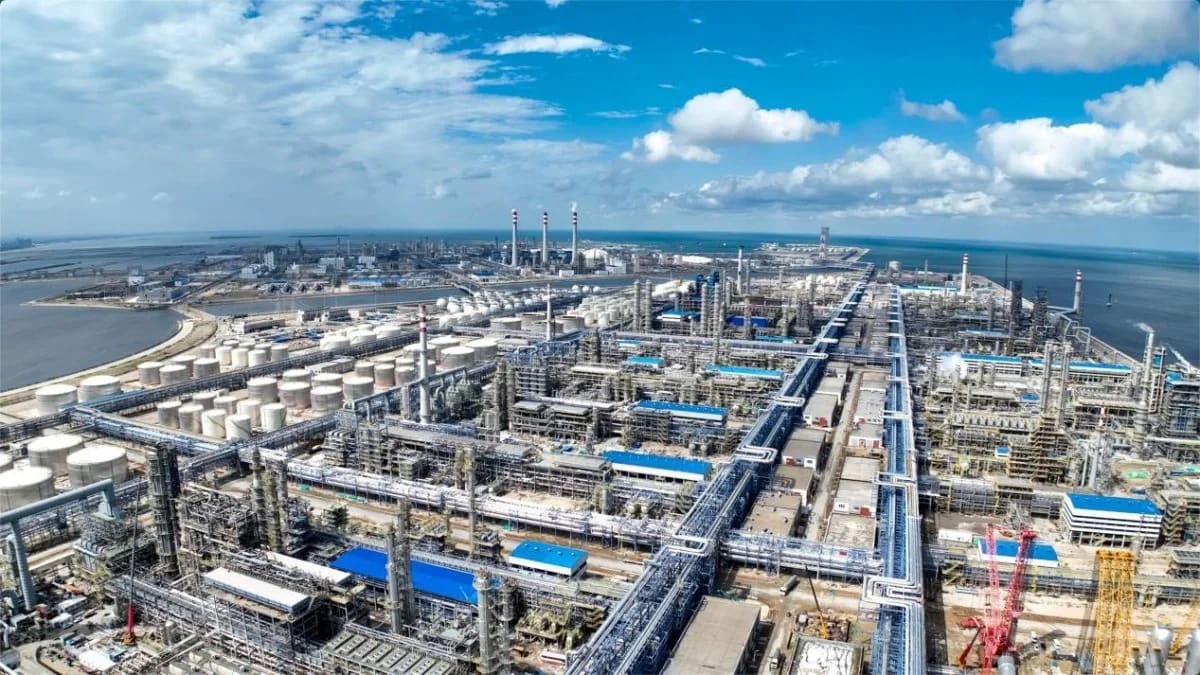
The global oil market faces potential price volatility as historical supply buffers and strategic reserves are exhausted. Compounded by renewed Middle Eastern hostilities and China's potential return to aggressive crude purchasing, the market's safety nets are rapidly disappearing.
The Fragile State of Global Energy Markets
The global oil market is currently navigating a precarious transition, defined by the erosion of the structural safety nets that have historically shielded consumers from extreme price volatility. For years, excess supply, strategic petroleum releases, and relatively calm geopolitical waters in the Strait of Hormuz provided a cushion against supply chain disruptions. However, as these buffers dissipate, the market is becoming increasingly susceptible to sudden, sharp price spikes driven by even minor logistical bottlenecks.
The Collapse of the Middle Eastern Buffer
The recent shift in the Strait of Hormuz represents a critical juncture for energy security. Following the expiration of the U.S.-Iran memorandum of understanding, the temporary stability that allowed Middle Eastern producers to evacuate crude stockpiles amassed during the previous four months has effectively vanished. With the collapse of the ceasefire and the onset of renewed regional hostilities, the primary artery for global oil transport is once again a high-risk zone, leaving little room for error in global supply chain management.
Depleted Inventories and Strategic Releases
Compounding these geopolitical risks is the structural depletion of global inventories. Key markets, most notably the United States, are currently operating with dangerously low crude and fuel stocks. The world's largest coordinated release of strategic petroleum reserves, which was designed to suppress prices and provide a temporary bridge during supply shortages, has largely been exhausted. With this secondary supply line already processed by refiners, there are few mechanisms left to dampen the impact of a sustained supply disruption.
The Chinese Demand Variable
Perhaps the most significant looming factor is the potential return of China to the global crude market. After a period of relative absence and record-low import volumes, any shift in Chinese purchasing behavior could trigger a massive demand-side shock. If China pivots toward aggressive inventory replenishment, it will likely collide with a supply-constrained global market, effectively removing the last remaining safety net—a lack of buyer competition—that has kept prices from reaching record highs.
Broader Economic Implications
This confluence of factors suggests that the era of 'cheap energy' may be structurally challenged. When supply buffers are thin and geopolitical risk premiums are high, energy markets become inherently reflexive. Even moderate fluctuations in production or transport can lead to outsized price reactions, which ripple through the global economy, fueling inflation and tightening monetary conditions for developing and developed nations alike.
Future Trends and Outlook
Looking ahead, the market is poised for a period of extreme sensitivity. Without the ability to rely on inventory buffers or temporary diplomatic lulls, the oil industry must contend with a 'just-in-time' supply reality that is ill-equipped to handle the volatility of the current geopolitical climate. Future trends will likely favor producers with secure, non-Gulf-dependent supply lines, while global importers may be forced to prioritize long-term energy security over short-term cost efficiency to mitigate the risks of a system with no remaining safety nets.