J&K: Flash floods, landslides wreak havoc in Poonch-Rajouri belt; 11 dead, several missing
Source Entity
TOI NEWS DESK
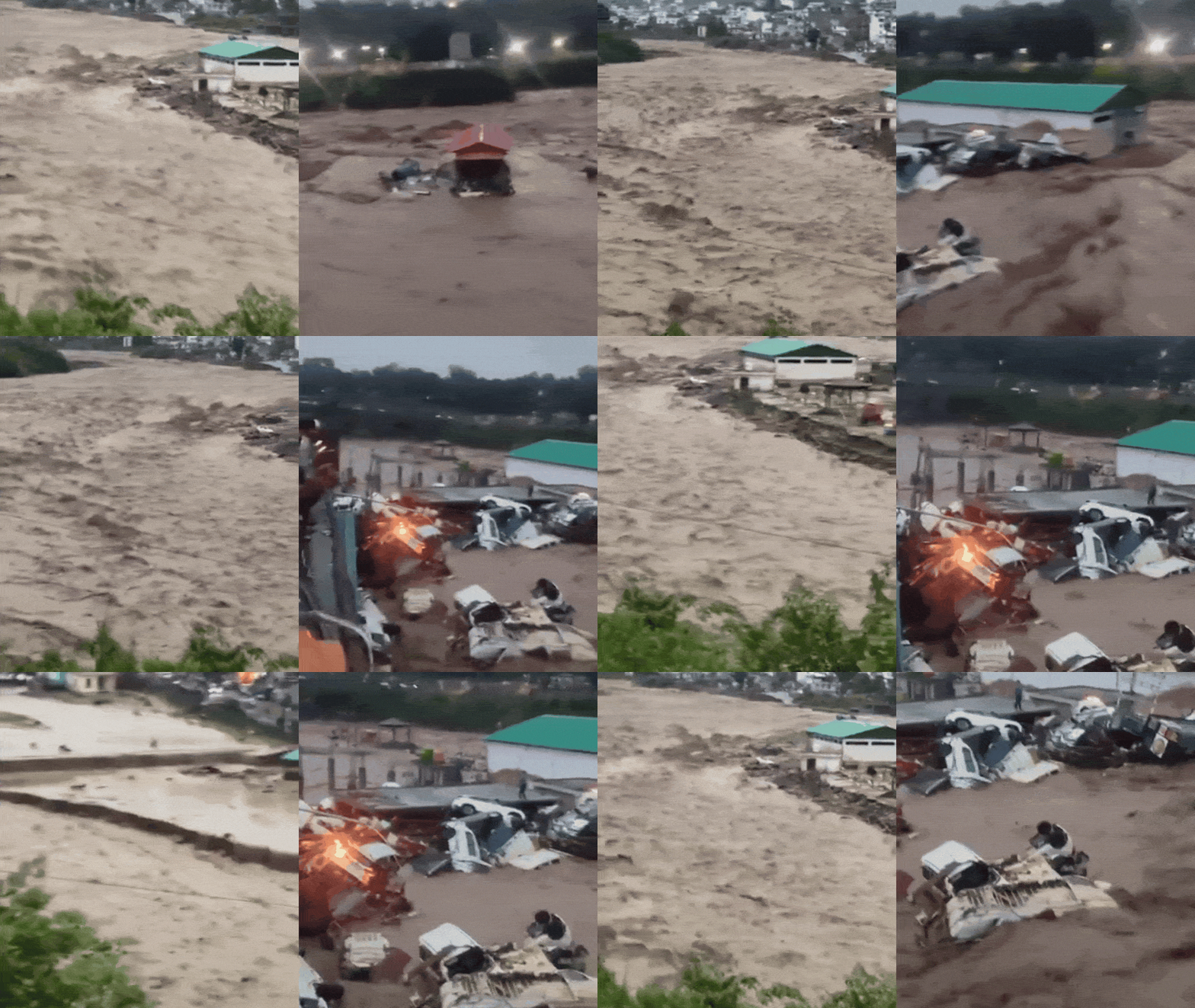
Severe flash floods in Jammu and Kashmir's Rajouri and Poonch districts have caused significant destruction, displacing hundreds and resulting in four fatalities. Authorities have suspended major pilgrimages as rescue operations continue to address the widespread damage to property and infrastructure.
Devastating Flash Floods Strike Jammu and Kashmir
On the morning of July 19, 2026, the Jammu and Kashmir region faced a catastrophic weather event as incessant, heavy overnight rainfall triggered severe flash floods across the districts of Rajouri and Poonch. The sudden surge of water, fueled by overflowing rivers such as the Dharhal, inundated low-lying areas, including the new bus stand in Rajouri. The scale of the destruction has been immediate and profound, with dozens of vehicles either swept away by the torrents or left submerged in the wake of the deluge.
Displacement and Humanitarian Impact
The humanitarian cost of the disaster is mounting rapidly. In Rajouri, hundreds of residents have been forced to abandon their homes as water levels rose sharply, particularly in vulnerable settlements near the Abdullah Bridge and Tariq Bridge. Families, left with little time to react, have described the trauma of losing their possessions, with many survivors lamenting that their homes and livelihoods have been entirely destroyed. Local administration and rescue teams are working in tandem to evacuate these families to safer, designated locations, prioritizing the safety of those living in high-risk zones along riverbanks.
Tragic Loss of Life in Poonch
While Rajouri deals with the immediate aftermath of property damage, the situation in the neighboring Poonch district has taken a more tragic turn. Officials have confirmed at least four fatalities, specifically within the Surankote tehsil, which bore the brunt of the extreme weather. Among the victims was 28-year-old Nazia Kousar, who perished when her residence collapsed in Noonabandi village. Rescue operations are currently focused on locating missing individuals and clearing debris to reach isolated communities that have been cut off by landslides and flooding.
Administrative Response and Infrastructure Strain
The scale of the disruption has prompted a high-level review by the Lieutenant Governor (LG), who is monitoring the situation closely as the administration shifts into emergency mode. To prevent further loss of life during this period of extreme instability, authorities have taken the difficult decision to temporarily suspend the Amarnath and Vaishno Devi Yatras. This measure is essential, as the rugged terrain of the region is highly susceptible to secondary landslides that could endanger pilgrims traversing the mountainous routes.
Broader Implications and Future Outlook
The intensity of these flash floods serves as a stark reminder of the increasing vulnerability of the Jammu and Kashmir region to extreme weather patterns. The rapid overflow of rivers and the widespread destruction of infrastructure suggest that local disaster management frameworks will face significant challenges in the coming weeks. As the district administration shifts from active rescue to damage assessment, the focus will likely turn toward long-term recovery and the urgent need for enhanced flood defense mechanisms in low-lying urban centers like Rajouri town. The recovery process will be arduous, requiring sustained support for displaced families and a comprehensive audit of the region's infrastructure resilience against future climate-induced shocks.
Multiple Citing Sources