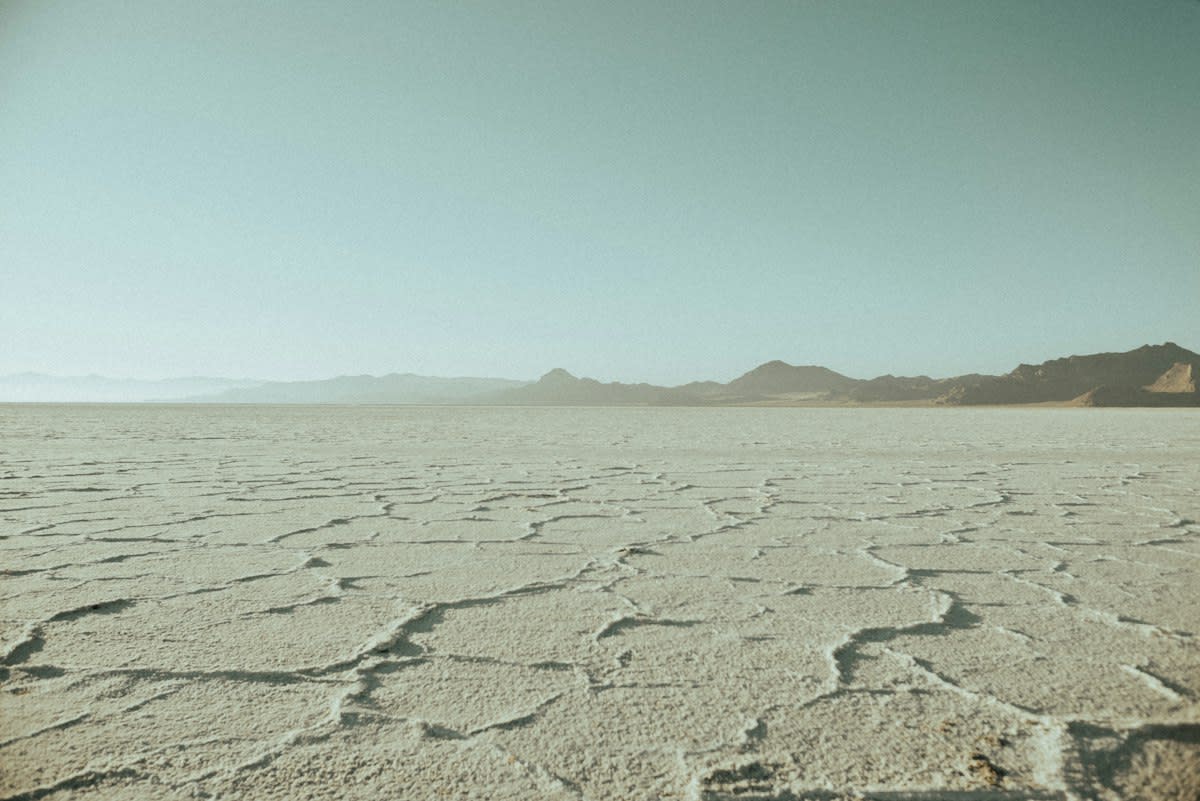
Salt kills. When sodium ions saturate the soil profile, they displace essential calcium and magnesium, effectively collapsing the soil structure and preventing water infiltration. It is a mechanical failure. Why do we assume that simply adding water fixes the problem? Most amateurs flood their fields only to create a salty slurry that suffocates the remaining microbial life. This failure stems from a misunderstanding of the soil exchange complex.
Prerequisites for Reclamation
Preparation matters. You cannot fight sodium without a reliable source of calcium and a way to move the displaced salt away from the root zone. This requires specific hardware. Without a functioning drainage system, any attempt at leaching is merely moving the salt from the surface to the subsoil. You are just delaying the inevitable.
- Electrical Conductivity (EC) Meter: To measure the total soluble salt concentration.
- Agricultural Grade Gypsum (Calcium Sulfate): The primary chemical lever for sodium displacement.
- Deep Drainage Infrastructure: Tile drains or open ditches to prevent waterlogging.
- Halophytic Seed Stock: Salt-tolerant species like Sesbania or Atriplex for biological priming.
- Low-Sodium Irrigation Water: Water with a Sodium Adsorption Ratio (SAR) below 3.
The Reclamation Sequence
Test first. Accurate data on the Exchangeable Sodium Percentage (ESP) determines whether you are dealing with saline soil or sodic soil. This distinction dictates the entire strategy. If you apply gypsum to saline-non-sodic soil, you waste your budget and achieve nothing.
- Quantify the Sodium: Use a saturated paste extract to determine the EC and ESP. (Source: FAO, 2021).
- Install Surface and Sub-surface Drainage: Ensure water can exit the terrain to avoid the weight of stagnant salt-water.
- Apply Calcium Amendments: Spread gypsum across the surface and incorporate it into the top 15cm of soil to initiate the ion exchange.
- Execute the Leaching Fraction: Apply excess irrigation water to flush the displaced sodium ions down through the soil profile and into the drains.
- Introduce Biological Primers: Plant halophytes to create macropores in the soil, allowing further water movement and adding organic matter.
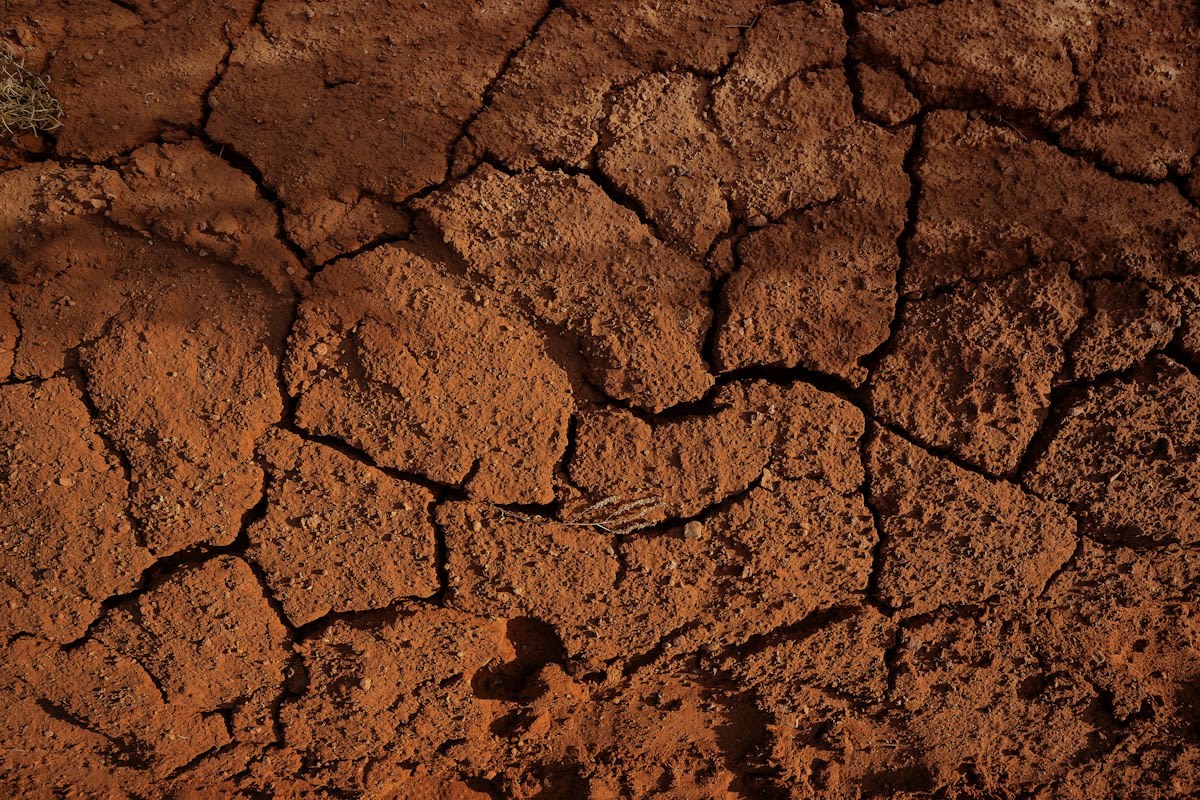
Water is the vehicle. The leaching fraction must be calculated precisely to ensure that the salt is actually removed rather than redistributed. (Source: World Bank Agriculture Report, 2019). This process often takes multiple seasons. Patience is the only way forward.
"The biggest mistake in salt reclamation is treating the symptoms rather than the chemistry. You cannot plant your way out of a sodic disaster without first addressing the calcium deficiency."— Dr. Rattan Lal, Soil Scientist
Look at the Indus Valley. Farmers there have struggled with these dynamics for decades, often fighting the default tendency of the water table to rise. When the water table reaches the surface, capillary action pulls salts upward. This creates a white crust that kills everything. They solved it by combining deep tube-wells with organic mulching.
The Practitioner's Friction
Experts fight constantly. There is a deep divide between the chemical-first camp and the biological-first advocates. The chemical camp insists on massive gypsum applications and aggressive leaching. The biological camp argues that this strips the soil of micronutrients and destroys the soil web. I have seen both fail when applied in isolation. The real work happens in the middle, where you use just enough gypsum to unlock the soil and then immediately pivot to cover crops.
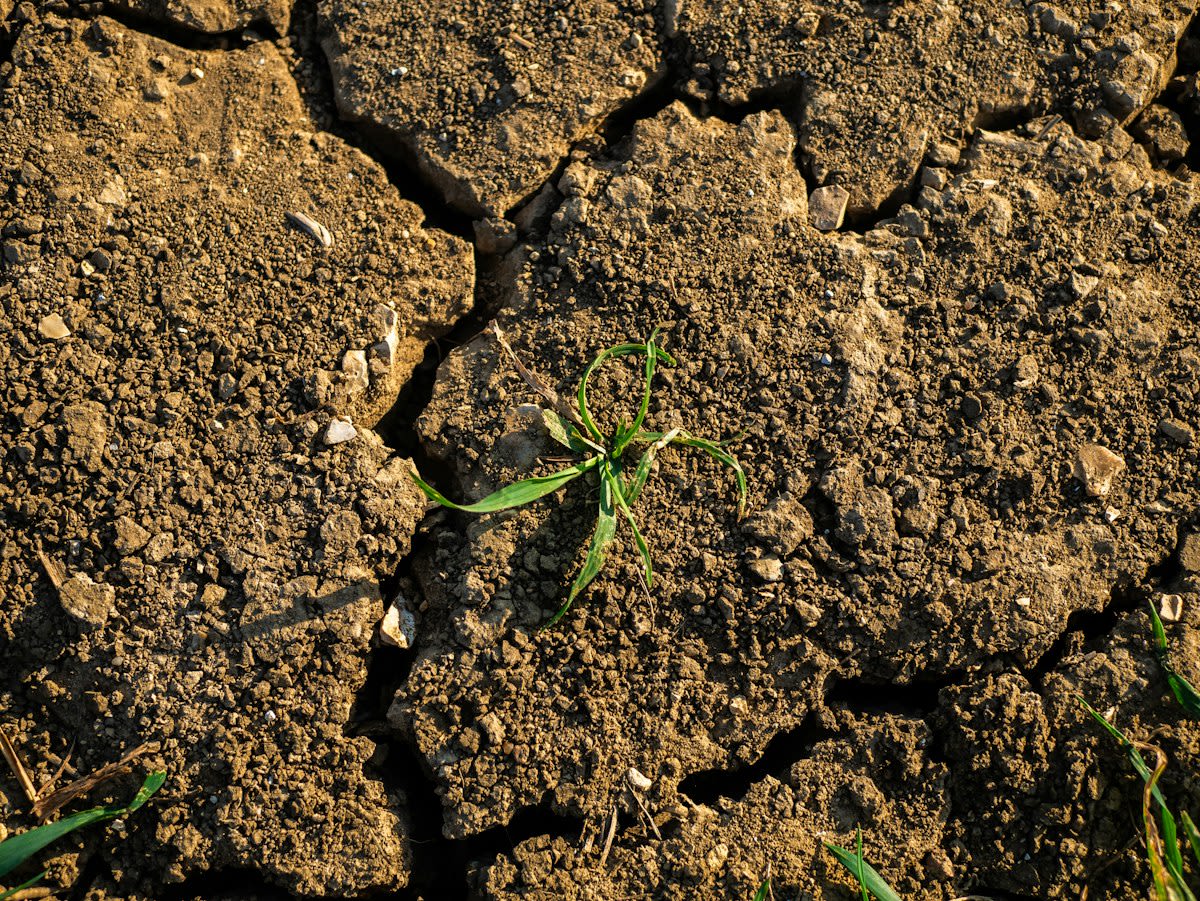
Organic matter is key. Adding compost or green manure helps buffer the pH and provides the carbon necessary for microbial recovery. (Source: Soil Science Society of America, 2020). This reduces the weight of the salt on the roots. It creates a habitable zone.
| Soil Type | Primary Issue | Required Action | Expected Outcome |
|---|---|---|---|
| Saline | High soluble salts | Leaching with pure water | Reduced EC |
| Sodic | High exchangeable sodium | Gypsum + Leaching | Improved Structure |
| Saline-Sodic | Both salts and sodium | Gypsum then Leaching | Full Reclamation |
Precision is mandatory. Applying too much gypsum can lead to calcium toxicity or nutrient imbalances in the long run. (Source: USDA Natural Resources Conservation Service, 2022). Always monitor the soil pH. Keep it between 6.5 and 7.5.
Common Pitfalls
Avoid the flood. Many practitioners believe that more water equals more salt removal. This is a fallacy. If your drainage is poor, you are simply saturating the terrain and inducing anaerobic conditions. You will kill the soil faster than the salt would.
- Ignoring the Water Table: If the water table is high, salts will return within one season.
- Using Low-Purity Gypsum: Impure amendments can introduce heavy metals into the terrain.
- Skipping the Analysis: Treating all salty soil as 'sodic' leads to wasted resources.
- Neglecting Organic Matter: Chemical reclamation without biology leaves the soil dead and prone to compaction.
Fact-Check & Accuracy Note
The primary academic debate centers on the 'leaching fraction'—the percentage of applied water that must pass through the root zone to maintain salt balance. Some researchers argue for a conservative 10% fraction to conserve water, while others suggest 25% for rapid reclamation in high-sodium areas. Verifiable data can be found in the FAO's guidelines for salinity management (2021).
Recovery is slow. You are essentially rebuilding a biological engine from scratch. Do not expect a harvest in year one. Focus on the soil structure first, the chemistry second, and the crop third.