
Your body possesses a biological kill-switch for panic. It is not a metaphor or a mindfulness platitude; it is a physical structure. The vagus nerve, the longest cranial nerve in your body, acts as the primary highway of the parasympathetic nervous system. When you are spiraling into a panic attack or paralyzed by corporate burnout in a skyscraper in Singapore or a crowded market in Lagos, your sympathetic nervous system has hijacked the controls. You are effectively operating on a survival loop that was designed to outrun predators, not to handle a passive-aggressive email or a looming deadline.
Most people attempt to 'think' their way out of anxiety. This is a fundamental tactical error. You cannot use a stressed mind to calm a stressed mind. To switch from panic to peace, you must bypass the cognitive brain entirely and communicate directly with the brainstem through the vagus nerve. By stimulating this nerve, you send a high-priority signal to your heart and lungs that the threat has passed. The result is a rapid drop in heart rate and a shift in blood flow from your limbs back to your prefrontal cortex, restoring your ability to think logically.
The Metric of Resilience
Vagal tone refers to the efficiency of your vagus nerve. High vagal tone means your body can bounce back from stress quickly. Low vagal tone is linked to chronic inflammation, depression, and an inability to regulate emotions. You can train this tone just like a muscle.
The Prerequisites: Your Toolkit for Regulation
Before executing the protocol, you need a controlled environment. While the goal is to eventually use these tools in the heat of a crisis, the initial calibration requires a baseline of safety. If you are in a state of absolute terror, your body will resist regulation. Find a space where you can sit or lie down without interruption for ten minutes. This isn't about luxury; it is about reducing external stimuli so your brain can prioritize the internal signals you are about to send.
- A quiet space with minimal auditory distractions.
- A bowl of ice-cold water or a chemical cold pack.
- A timer or a stopwatch (smartphone is fine).
- A comfortable chair or a yoga mat.
Once your environment is set, you must understand the physiological target. We are aiming to increase Heart Rate Variability (HRV), the variation in time between each heartbeat. A higher HRV is a direct proxy for a healthy, responsive vagus nerve. When you are in panic mode, your HRV plummets as your heart beats like a metronome. The following steps are designed to break that rigidity and force the heart back into a flexible, restorative rhythm.
The Step-by-Step Vagus Nerve Protocol
- The Physiological Sigh: Take a deep breath in through your nose until your lungs are nearly full, then take a second, shorter 'sip' of air at the very top to fully inflate the alveoli. Exhale slowly through pursed lips for twice as long as the inhale. Repeat 3 times. This is the fastest biological way to offload carbon dioxide and lower the heart rate.
- Thermal Shock (The Dive Reflex): Submerge your face in a bowl of ice-cold water (below 15 degrees Celsius) for 15 to 30 seconds while holding your breath. If a bowl is unavailable, apply a cold pack to the sides of your neck. This triggers the mammalian dive reflex, which instantaneously slows the heart rate and redirects blood to the brain and heart.
- Vocal Resonance: Close your eyes and produce a low-frequency humming sound or a deep 'Om' chant. Focus the vibration in your chest and throat. Because the vagus nerve passes through the larynx and pharynx, the physical vibration of the vocal cords mechanically stimulates the nerve, signaling the brain to deactivate the fight-or-flight response.
- Auricular Stimulation: Gently massage the concha—the hollow part of the outer ear just above the ear canal. Use your index finger to apply light, circular pressure for 60 seconds on each side. This area is one of the few places where the vagus nerve has a cutaneous branch reachable from the surface of the skin.
- Diaphragmatic Expansion: Place one hand on your chest and one on your belly. Breathe so that only the hand on your belly moves. Inhale for 4 seconds, hold for 2, and exhale for 6. The movement of the diaphragm physically massages the vagus nerve as it passes through the esophageal hiatus, reinforcing the signal of safety.
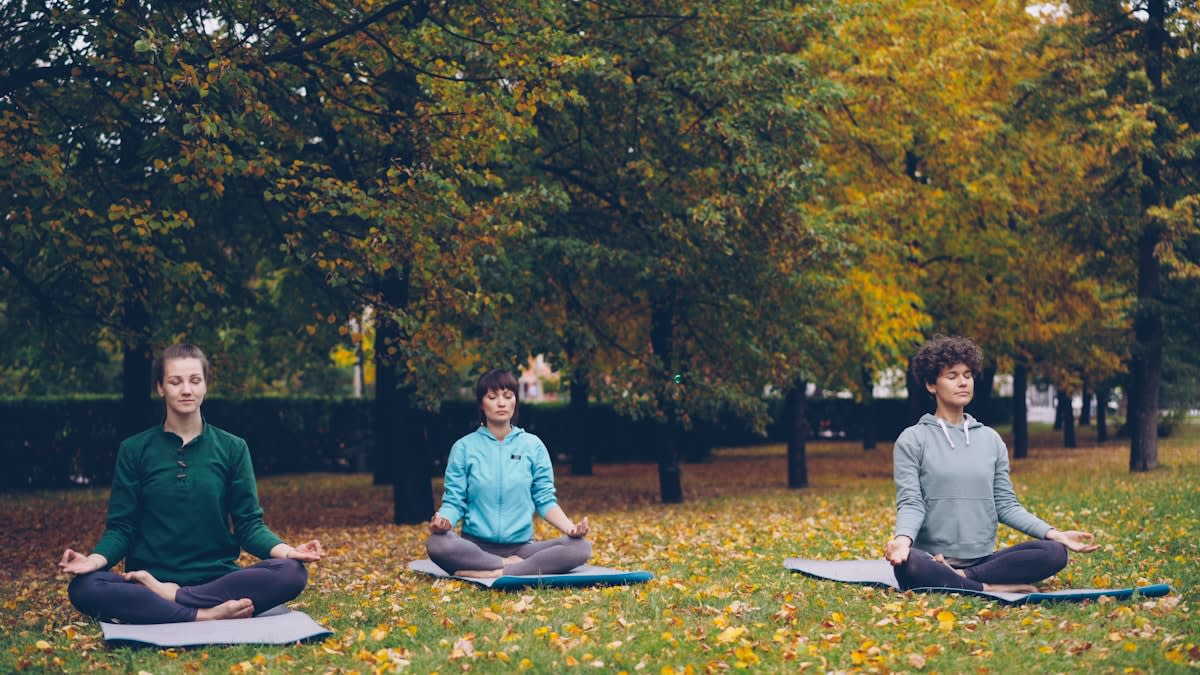
Execution is where most people fail. They treat these steps as suggestions rather than a precise protocol. To see a measurable shift, you must commit to the timing. The cold water plunge, for example, is not a refreshing splash; it is a targeted thermal shock. The goal is to force the system to pivot. When you combine the physiological sigh with thermal shock, you are essentially rebooting your autonomic nervous system, clearing the cortisol fog that obscures your judgment.
Consider the impact of this on your daily performance. In high-stakes environments—whether you are a surgeon in Berlin or a trader in Tokyo—the ability to manually lower your heart rate by 15-20 beats per minute in under two minutes is a competitive advantage. It is the difference between reacting out of fear and responding with precision. You are no longer a victim of your chemistry; you are the chemist.
Comparing Systemic States
| Metric | Sympathetic (Panic) | Parasympathetic (Peace) |
|---|---|---|
| Heart Rate | Elevated/Rapid | Slow/Steady |
| HRV | Low (Rigid) | High (Flexible) |
| Digestion | Halted/Suppressed | Active/Restorative |
| Blood Flow | Peripheral (Muscles) | Central (Organs/Brain) |
| Cognitive State | Tunnel Vision/Fear | Broad Perspective/Calm |
The data is clear: the shift from the left column to the right column is not a matter of willpower, but of physics. When the vagus nerve is activated, it releases acetylcholine, a neurotransmitter that acts as a natural brake for the heart. Research indicates that consistent vagal stimulation can increase HRV by up to 25% over a six-week period, effectively widening your window of tolerance for stress. You stop snapping at colleagues or freezing during presentations because your baseline is no longer 'near-panic'.

Common Pitfalls and Tactical Errors
The most frequent mistake is over-breathing. Many people, in an attempt to calm down, take massive, gasping inhales. This actually increases the concentration of oxygen while purging too much carbon dioxide, which can lead to hypocapnia. The result? Dizziness and an increase in anxiety, which the brain interprets as a sign that the panic is worsening. Always prioritize the exhale. The exhale is where the vagal brake is applied; the inhale is where the gas pedal is pressed.
Another error is expecting a linear result. Your nervous system is a complex adaptive system, not a light switch. Some days, your vagal tone will be lower due to lack of sleep or poor nutrition. On these days, the protocol may take five minutes instead of two. Do not fight the process. If the cold water doesn't work immediately, move to the vocal resonance. The key is to cycle through the modalities until you feel the 'shift'—that physical sensation of your shoulders dropping and your breath deepening.
"The body is the gateway to the mind. If you want to change the thought, change the physiology first. The vagus nerve is the most direct route to that change."— Protocol Design Principle
Finally, avoid using this protocol as a way to avoid the root cause of your stress. Manual regulation is a tool for stability, not a cure for a toxic environment. Use the peace you've created to analyze why the panic occurred in the first place. Once you have shifted from panic to peace, you have the cognitive bandwidth to solve the problem permanently. Regulation is the bridge to resolution.