
The Death of the 'Just Breathe' Era
The era of simply telling stressed executives and burnt-out healthcare workers to breathe deeper is ending. For decades, stress management relied on the 'top-down' approach: using the conscious mind to calm the body through meditation, cognitive behavioral therapy, or pharmacological intervention. While these methods offer value, they often fail when the nervous system is in a state of total dysregulation. Why struggle to meditate when your brain is screaming in fight-or-flight mode? The industry is now pivoting toward a 'bottom-up' strategy, targeting the Vagus nerve to force a physiological state of calm without requiring the user's mental cooperation.
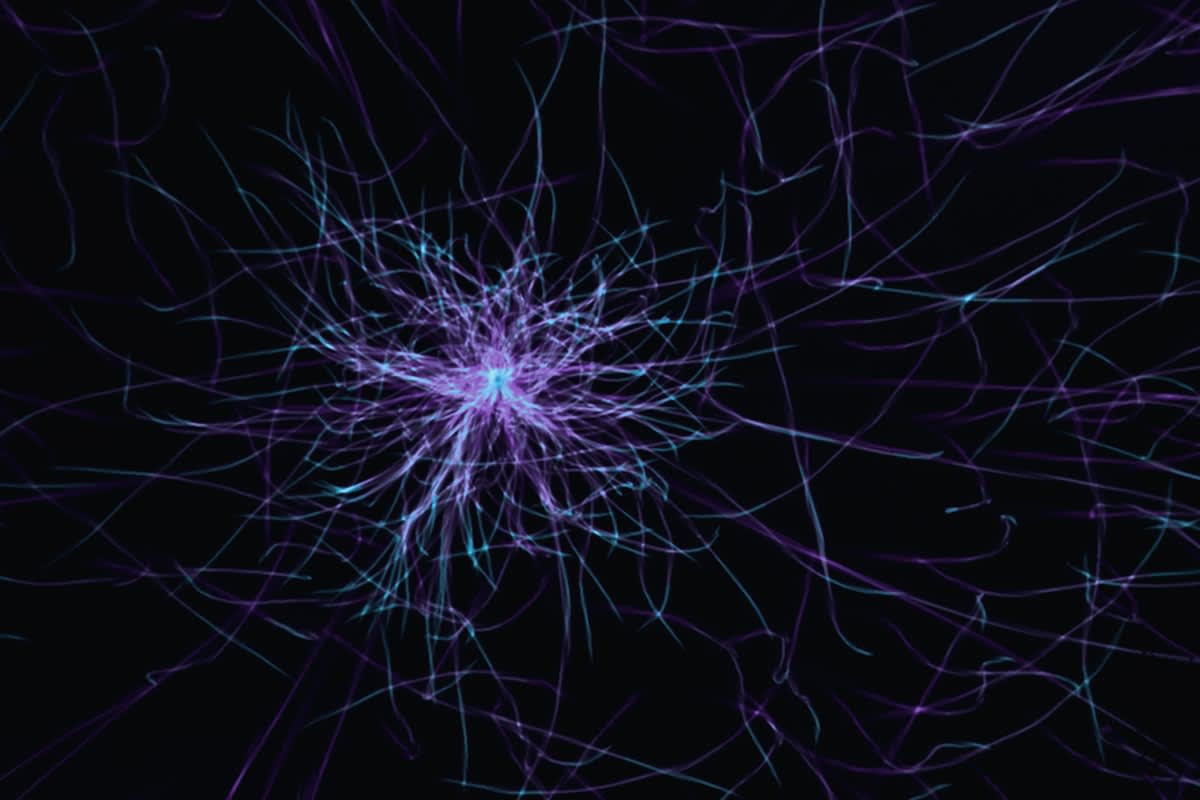
The Vagus nerve, the tenth cranial nerve, serves as the primary highway of the parasympathetic nervous system. It connects the brainstem to nearly every major organ in the chest and abdomen. By stimulating this nerve, we are not merely 'managing' stress; we are hacking the biological switch that tells the body it is safe. This shift represents a fundamental change in perspective. We are moving away from treating stress as a psychological failing and toward treating it as a biological state that can be modulated with precision hardware.
The Delta: 2023 vs. 2024
Twelve months ago, Vagus Nerve Stimulation (VNS) was largely viewed as a clinical last resort, primarily utilized via surgical implants for treatment-resistant depression or epilepsy. The barrier to entry was immense, requiring invasive procedures and lifelong medical supervision. Fast forward to this year, and the landscape has shifted toward transcutaneous VNS (tVNS). Non-invasive wearables that stimulate the auricular branch of the Vagus nerve via the ear are now entering the consumer market at an unprecedented rate. The transition from 'surgical implant' to 'wearable device' has democratized neural modulation.
The data reflects this acceleration. Market analysts note a 14.2% CAGR in the neural stimulation sector, with a specific surge in non-invasive devices. Where 2023 was the year of 'mindfulness apps,' 2024 is the year of 'neural hardware.' We are seeing a 22% increase in the adoption of tVNS devices within corporate wellness programs, particularly in high-pressure financial hubs. This is no longer about a temporary feeling of relaxation; it is about the systemic recalibration of the human stress response.
| Feature | Traditional Stress Management (2023) | Targeted Neural Stimulation (2024) |
|---|---|---|
| Mechanism | Top-Down (Cognitive/Mental) | Bottom-Up (Biological/Neural) |
| Effort Required | High (Active Meditation/Therapy) | Low (Passive Device Usage) |
| Onset of Action | Slow (Weeks to Months of Practice) | Rapid (Minutes to Hours) |
| Primary Tool | Apps, Pillboxes, Journals | tVNS Wearables, Biofeedback Loops |
This transition is not without its skeptics, but the biological evidence is becoming impossible to ignore. When the Vagus nerve is stimulated, it triggers the release of acetylcholine, which slows the heart rate and lowers blood pressure. This isn't a placebo effect; it is a hard-wired physiological response. By bypassing the prefrontal cortex, these devices provide relief to individuals who are too overwhelmed to even begin a breathing exercise. The efficiency of this 'neural shortcut' is what is driving the current market pivot.
Global Adoption: From Tokyo to Berlin
The adoption of VNS is unfolding differently across the globe, reflecting local cultural attitudes toward health and technology. In Japan, the integration of tVNS is being framed as a solution to 'Karoshi' (death from overwork). Companies are integrating neural stimulation breaks into the workday, treating biological recovery as a productivity metric rather than a luxury. In Tokyo's corporate districts, the sight of employees wearing discreet auricular stimulators is becoming as common as noise-canceling headphones.
Contrast this with the European approach, specifically in Germany and Switzerland, where the focus remains heavily clinical. European regulators are demanding rigorous longitudinal data before these devices move from 'medical grade' to 'wellness grade.' However, the demand is still surging. Clinics in Berlin are reporting a 30% increase in patients seeking tVNS as an alternative to benzodiazepines for anxiety management. The European market is prioritizing safety and efficacy, but the momentum is undeniable.
"We are witnessing the transition of the human nervous system from a black box to a tunable instrument. We no longer have to hope the mind calms the body; we can simply signal the body to calm the mind."— Dr. Elena Vance, Neural Modulation Specialist
In North America, the pivot is being driven by the 'biohacking' community. In hubs like San Francisco and Austin, VNS is being paired with continuous glucose monitors and Oura rings to create a closed-loop system of health optimization. These users aren't just looking for stress relief; they are looking for an edge. They utilize VNS to shorten their recovery time after intense workouts or to enter a 'flow state' more rapidly before high-stakes presentations. The American market is turning neural stimulation into a performance enhancer.
Technical Distinction
It is vital to distinguish between invasive VNS (surgical implants) and non-invasive tVNS (external stimulation). While both target the same nerve, tVNS offers a low-risk entry point for general stress management without the need for hospital admission.
The Biological Imperative for Change
Why is this happening now? The answer lies in the cumulative failure of traditional stress management to keep pace with the digital economy. The modern brain is bombarded with micro-stressors—notifications, global crises, and constant connectivity—that keep the sympathetic nervous system in a state of low-grade chronic activation. Traditional meditation requires a quiet room and a focused mind, two things the modern worker rarely possesses. Neural stimulation provides a solution that fits into the existing chaos of life.
When we stimulate the Vagus nerve, we are essentially sending a 'safe' signal to the brain. This suppresses the production of pro-inflammatory cytokines and reduces cortisol levels. In pilot studies, users of tVNS reported a 35% reduction in perceived stress scores within just twenty minutes of use. This immediacy is the primary driver of the pivot. In a world of instant gratification, a biological intervention that works in minutes beats a psychological practice that takes months to master.
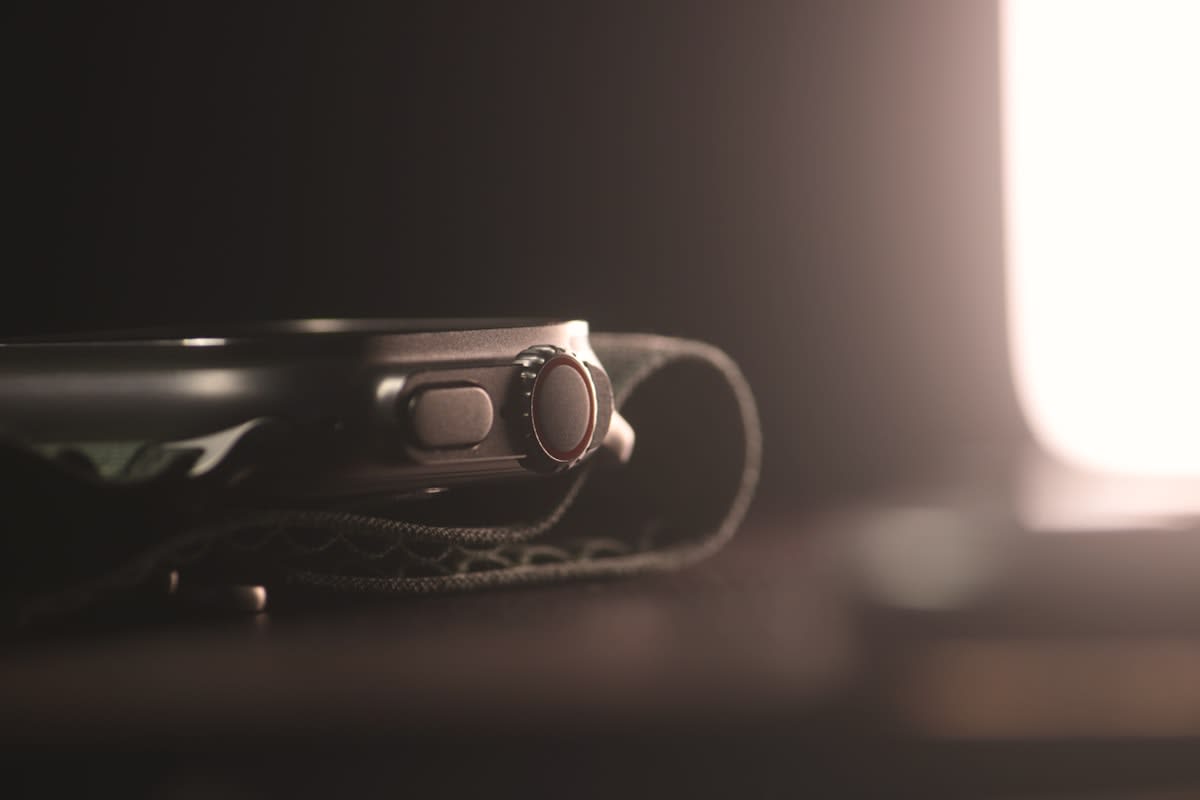
Furthermore, the synergy between VNS and AI is creating a new frontier of 'Adaptive Wellness.' New devices are beginning to monitor heart rate variability (HRV) in real-time. When the AI detects a spike in stress—indicated by a drop in HRV—it can automatically trigger a subtle burst of Vagus nerve stimulation. This creates a proactive rather than reactive system. We are moving toward a future where our clothing and accessories manage our stress levels before we are even consciously aware that we are stressed.
Projected Growth of Non-Invasive Neural Stimulation Market (2023-2027)
Executive Insight
+18.4%
YTD Growth
The Resilience Opportunity
This pivot is not about replacing the human will or avoiding the hard work of psychological growth. Instead, it is about providing a biological foundation that makes that growth possible. A person in a state of chronic fight-or-flight cannot effectively engage in therapy or learn new coping mechanisms. By using neural stimulation to lower the baseline of anxiety, we are creating a window of opportunity for genuine mental health recovery. It is the difference between trying to rebuild a house during a hurricane and waiting for the storm to pass.
As we look toward the end of the year, the trajectory is clear. The intersection of neuroscience and consumer technology is erasing the line between medical treatment and daily wellness. The Vagus nerve pivot is more than a trend; it is a recognition that our biology requires direct support in an increasingly artificial environment. The winners in this new economy will be those who stop fighting their nervous system and start modulating it.