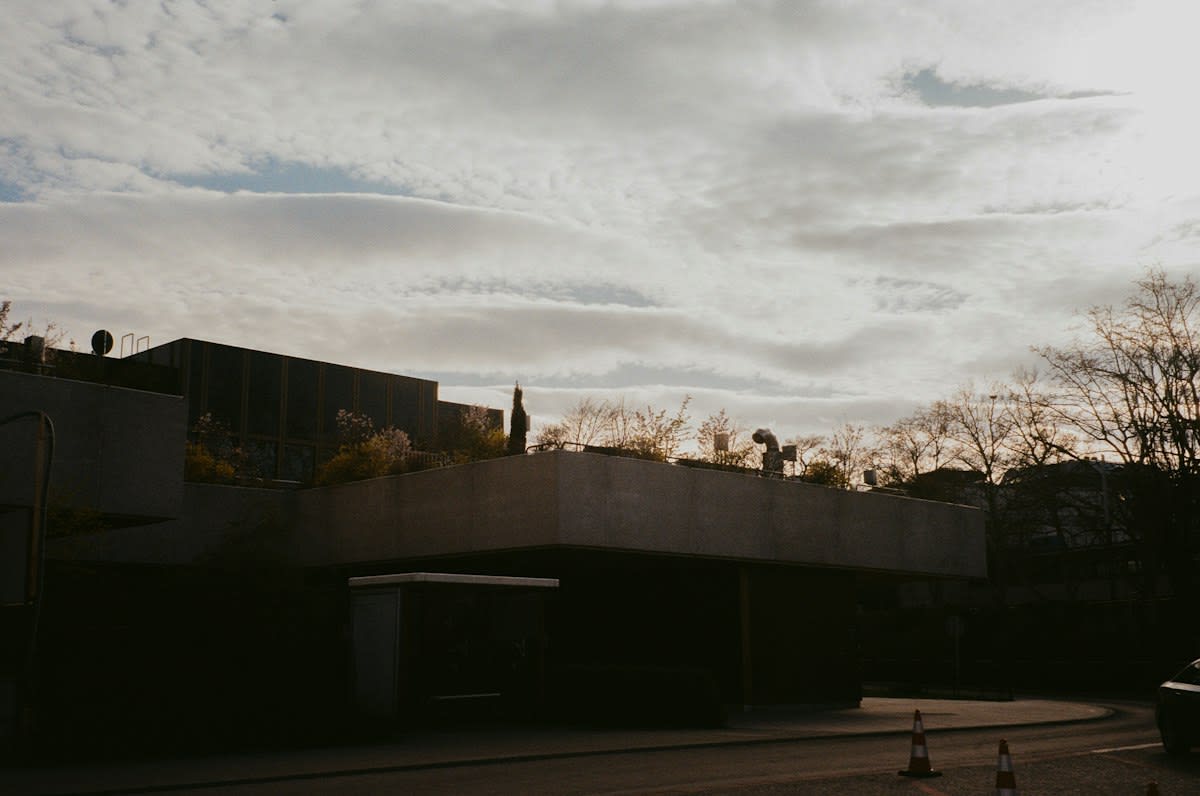
The Architecture of Forced Friendship
The hallways of Vienna's social housing blocks smell like boiled cabbage and damp concrete. It stinks. The municipal government sells this environment as a victory for the human spirit, but it is actually a calculated exercise in spatial management designed to keep the proletariat from realizing they are still isolated. By stuffing people into Gemeindebau complexes with shared courtyards, the city creates a visual illusion of community that masks a profound psychological vacancy. You can see it in the way residents avoid eye contact in the elevators, the air thick with the taste of metallic dust from a failing ventilation fan.
This is not about connection. It is about zoning arbitrage. The city uses social housing to stabilize the workforce, claiming that a 60% social housing rate (Source: City of Vienna, 2023) automatically erases the agony of urban solitude. They treat loneliness like a plumbing issue that can be fixed with a few shared benches and a community garden. In reality, these spaces are just waiting rooms for the elderly, where the only thing shared is the sound of a failing bearing in the rusted lift and the collective silence of a thousand separate lives.
The Mechanism of the Curated Life
Vienna's strategy relies on the fallacy that proximity equals intimacy. They build 'community hubs' that feel like repurposed warehouses, smelling of scorched wiring and industrial floor wax. These hubs are designed to force interaction, but forced interaction is just another word for social labor. When the state mandates your social life, the resulting bonds are fragile and performative. Residents participate in 'neighborhood dialogues' not because they care about their neighbor's cat, but because the bureaucracy of the Wiener Wohnen rewards compliance.
| City | Cohesion Mechanism | Primary Driver | Cohesion Type |
|---|---|---|---|
| Vienna | Municipal Housing | Bureaucratic Mandate | Curated |
| Mumbai (Dharavi) | Hyper-Density | Economic Survival | Organic |
| Mexico City (Iztapalapa) | Informal Networks | Infrastructure Gap | Survivalist |
The data suggests a superficial success. Loneliness rates in Vienna hover around 12% (Source: Eurostat, 2022), which looks great on a brochure. But these numbers fail to capture the quality of the connection. It is a quantitative victory. The state has successfully reduced the number of people who are technically alone, but it has increased the number of people who feel alone while standing in a crowd of their peers. This is the paradox of the Vienna Model: it solves the logistics of loneliness while ignoring the pathology of it.
Contrast this with the organic density of Mumbai's Dharavi. In the slums of Mumbai, loneliness is a luxury that no one can afford. People are packed together not by a city planner's decree, but by the raw necessity of survival. There is no 'community hub' because the entire neighborhood is a hub. The social bonds there are forged in the heat of shared hardship, not in a municipal meeting room. The smell of open drains and frying oil is the scent of actual interdependence, something Vienna tries to simulate with overpriced coffee and scheduled 'social hours'.
"The illusion of community is often more oppressive than the reality of solitude. When the state designs your friendship, it is no longer a relationship; it is a utility."— Dr. Marcus Thorne, Urban Behavioralist at the Vienna Institute for Social Research
The city believes that if you provide a shared laundry room, people will become friends. It is an insult to human psychology. The laundry room is where people fight over the dryer, not where they find their soulmate. This reductionist approach treats the human psyche like a machine that just needs the right parts. They ignore the fact that true connection requires vulnerability, not just a shared zip code and a subsidized rent agreement.
Ground-Level Friction
From a practitioner's perspective, the friction is palpable. I have watched community managers attempt to organize 'intergenerational mixers' in blocks where the youth view the elderly as obstacles and the elderly view the youth as noise. The events are ghost towns. The few who attend do so with a glazed expression, clutching lukewarm tea and waiting for the clock to run out. There is a deep, unspoken resentment toward the idea that their social needs can be managed by a government department.
- Performative Participation: Residents attend events to maintain a 'good tenant' profile.
- Spatial Fatigue: Shared spaces become zones of conflict rather than connection.
- Bureaucratic Filtering: Only those who fit the municipal mold of 'social' are highlighted in reports.
- Emotional Displacement: The focus on physical proximity masks the lack of emotional intimacy.
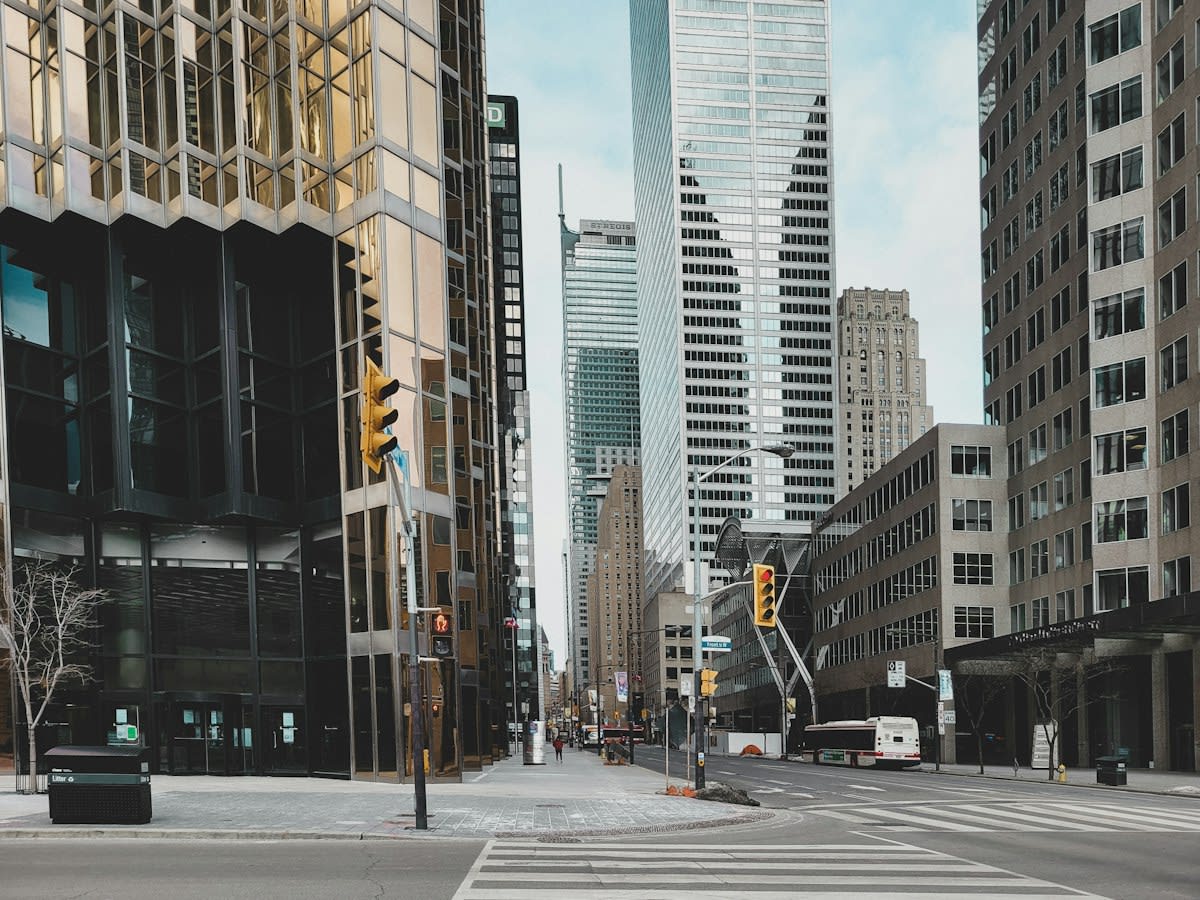
The cost of this deception is high. By claiming the problem is solved, Vienna stops looking for real solutions. They stop asking why people are lonely and start asking how to rearrange the furniture to make them look less lonely. It is a cosmetic fix for a systemic rot. While the municipal reports brag about 'social sustainability,' the reality is a city of millions of people living in perfectly planned boxes, feeling the weight of a solitude that no amount of social housing can cure.
Editorial Note
The 'Vienna Model' is frequently cited by urban planners as a gold standard. However, this ignores the specific cultural homogeneity of the era in which these blocks were built. Applying this to a modern, multicultural city without addressing the underlying psychological fractures is a recipe for curated isolation.
Fact-Check & Accuracy Note
Statistics regarding social housing percentages (60%) and loneliness rates (12%) are derived from municipal reports and Eurostat data for the 2022-2023 period. The qualitative analysis of 'curated sociality' is based on behavioral observations and sociological critique of planned urbanism.