
The Engine of Existence
VO2 max is not just a metric for elite marathoners in Kenya or cyclists in the Alps; it is the definitive measurement of your body's ability to transport and utilize oxygen during intense exercise. At its core, this number represents the ceiling of your aerobic capacity, reflecting the efficiency of your heart, lungs, and mitochondria. When we talk about expanding this biological engine, we are talking about shifting the boundary of what your body can handle before it crashes into anaerobic failure. Research indicates that high cardiorespiratory fitness is strongly associated with a significant reduction in all-cause mortality, with some data suggesting that moving from the lowest to the highest fitness quartile can reduce death risk by up to 50% (Source: JAMA Network Open, 2018). This makes VO2 max perhaps the most critical biomarker for long-term health resilience.
Most people mistake general activity for aerobic development. Walking the dog or a casual jog does not push the physiological levers required to increase your maximum oxygen uptake. To actually move the needle, you must create a specific type of metabolic stress that forces the heart to pump more blood per beat and the muscles to extract more oxygen from that blood. This requires a calculated approach to intensity, volume, and recovery. If you simply train at a moderate pace—the dreaded middle ground—you will plateau quickly, wasting hours of effort without achieving the systemic adaptations required for a true engine expansion.
Prerequisites for Expansion
Before attempting to redline your biological engine, you need a baseline and the proper tools. Attempting high-intensity intervals without knowing your current capacity is a recipe for injury or burnout. You cannot manage what you do not measure, and in the realm of VO2 max, precision is everything. Start with a medical screening to ensure your cardiovascular system can handle maximal exertion, especially if you have been sedentary for years. Once cleared, you need a way to track your internal load in real-time to ensure you are hitting the correct physiological zones.
- Chest-strap heart rate monitor (Optical wrist sensors are often too laggy for high-intensity intervals).
- A baseline VO2 max estimate (via a lab test or a validated field test like the Cooper 12-minute run).
- A calculated Maximum Heart Rate (MHR) using a field test rather than the generic 220-minus-age formula.
- A recovery tracking tool, such as Heart Rate Variability (HRV) monitoring, to prevent overtraining.
- Proper footwear and terrain to minimize orthopedic stress during high-impact sessions.
The transition from a casual exerciser to a practitioner of aerobic power requires a mindset shift. You are no longer just burning calories; you are performing a biological upgrade. This means treating your training sessions like laboratory experiments. Every run, row, or cycle must have a specific purpose—either building the aerobic base or pushing the ceiling. When these two goals are blurred, progress stalls.
The Physiology of the Ceiling
Expanding your VO2 max involves attacking two different bottlenecks: delivery and utilization. Delivery is primarily a function of your heart's stroke volume—the amount of blood pumped per contraction. By stressing the heart through specific intervals, you force the left ventricle to grow and become more elastic, allowing it to move more oxygenated blood to the muscles. Utilization, on the other hand, happens at the cellular level. You need to increase mitochondrial density and capillary networks in the skeletal muscles so that the oxygen delivered is actually used to produce energy (Source: American College of Sports Medicine, 2021).
"The limitation to VO2 max in healthy individuals is typically the delivery of oxygen by the cardiovascular system, rather than the ability of the muscles to use it. Therefore, training must prioritize cardiac output and blood volume expansion."— Physiology Review Board, American College of Sports Medicine
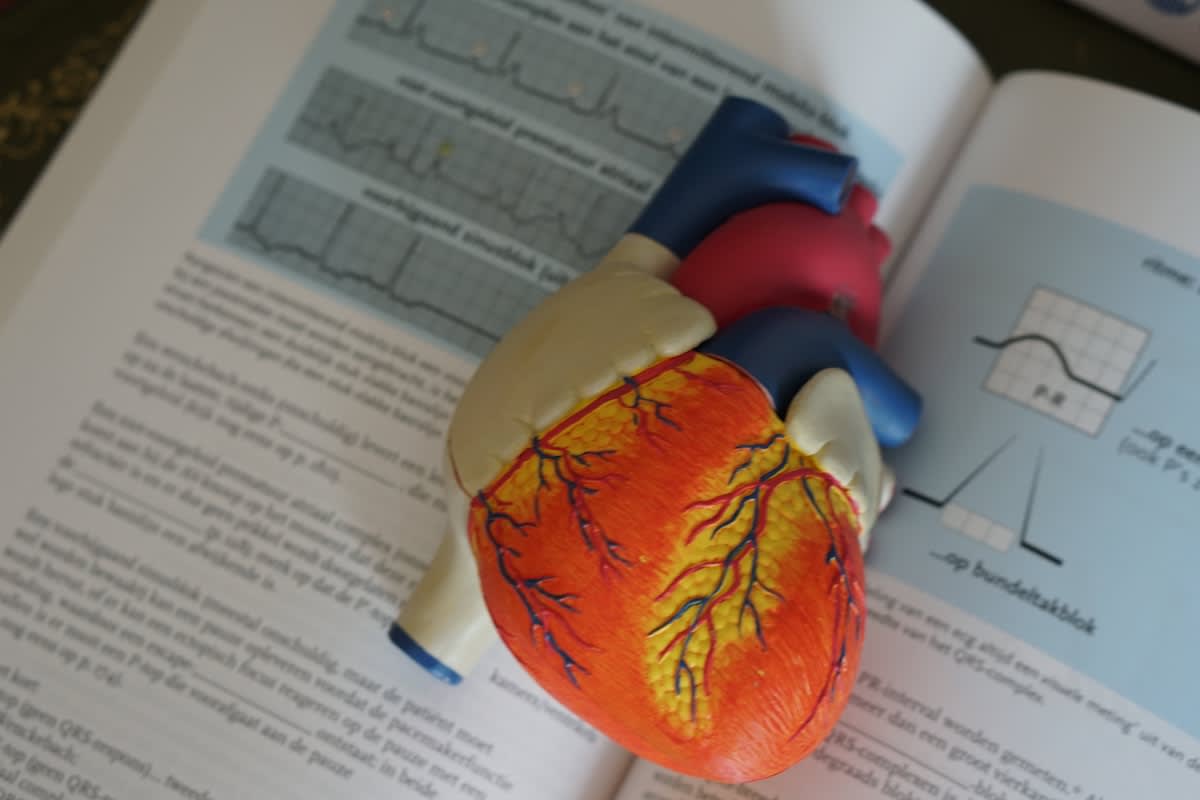
This biological reality explains why a balanced approach is mandatory. If you only do high-intensity work, you may improve your heart's power but neglect the capillary networks needed to distribute that blood. Conversely, if you only do slow, easy work, you build a massive network of capillaries but lack the pump power to fill them during peak demand. The magic happens in the synergy between these two extremes.
The Step-by-Step Execution Blueprint
- Establish the Aerobic Base: Spend 80% of your weekly volume in Zone 2 (60-70% of MHR). This builds mitochondrial density and increases fat oxidation efficiency, creating a foundation that supports higher intensity work.
- Introduce VO2 Max Intervals: Once a week, perform 4x4 minute intervals at 90-95% of MHR, with 3 minutes of active recovery between sets. This is the gold standard for increasing stroke volume.
- Implement a Polarized Structure: Avoid the 'Grey Zone' (Zone 3). Ensure your easy days are truly easy and your hard days are brutally hard. This prevents systemic fatigue while maximizing adaptation.
- Periodize and Test: Every 6-8 weeks, perform a field test to re-evaluate your VO2 max and adjust your heart rate zones based on your new capacity.
Let's get specific about Zone 2. This is the intensity where you can still maintain a conversation, but you are definitely working. In the world of elite endurance, specifically the Norwegian model popularized by athletes like Kristian Blummenfelt, this base work is non-negotiable. It allows the body to handle the massive lactic acid loads generated during the 4x4 intervals. Without a robust Zone 2 foundation, your high-intensity sessions will lead to rapid burnout because your body cannot clear metabolic waste efficiently.
The 4x4 interval method is a precise tool. The goal is to spend as much time as possible at or near your maximal oxygen uptake. The four-minute duration is critical because it takes roughly two minutes for the cardiovascular system to reach a steady state of maximal oxygen transport. By holding that intensity for four minutes, you spend two full minutes at the ceiling, forcing the heart to adapt. If the intervals are too short, you rely on anaerobic energy; if they are too long, you cannot maintain the necessary intensity to trigger the adaptation.

The Practitioner's Perspective: The Grey Zone Trap
In my years of implementing these protocols, the most common failure I see is the 'Grey Zone' trap. Most amateur athletes train in Zone 3—too hard to be recovery, too easy to be a stimulus. They run at a pace that feels 'challenging' but doesn't actually push their VO2 max. This creates a state of chronic fatigue without the corresponding fitness gains. In professional circles, we debate 'Polarized' versus 'Pyramidal' training. Polarized training strictly separates the intensities (80% easy, 20% hard), while Pyramidal allows for some moderate work. For the vast majority of people, Polarized is the superior route because it minimizes the risk of overtraining.
There is also a significant internal debate regarding the role of genetics. Some practitioners argue that your VO2 max ceiling is largely predetermined. While it is true that 'high responders' see more gain than 'low responders,' the reality is that almost everyone can improve their absolute capacity through structured stress. The goal isn't to beat an Olympic gold medalist from Ethiopia; the goal is to move yourself from the 40th percentile to the 80th. That shift alone can add years to your life expectancy and drastically improve your quality of life.
Common Pitfalls and How to Avoid Them
The biggest mistake is ego-driven pacing. People often try to run their intervals based on a specific speed rather than their heart rate. On a hot day or after a poor night's sleep, that 'target speed' might put you in a zone of total exhaustion rather than the targeted VO2 max zone. Trust the heart rate monitor over the stopwatch. If your heart rate isn't hitting the 90-95% mark, you aren't stressing the system enough; if it hits 100% too early, you've gone anaerobic and the session is no longer an aerobic expansion exercise.
Another frequent error is neglecting the recovery window. VO2 max intervals are an aggressive stimulus. If you perform them three times a week, you will likely crash. The adaptation happens during the sleep and recovery phase, not during the workout. I have seen athletes plateau for months simply because they refused to take their 'easy' days actually easy. If your Zone 2 run feels like a struggle, you are not recovering; you are just adding to the fatigue debt.
Fact-Check & Accuracy Note
Key claims regarding the 50% reduction in mortality are sourced from the JAMA Network Open (2018) study on cardiorespiratory fitness. The 4x4 interval methodology is based on the Trondheim model frequently cited in Scandinavian sports science. Note that individual responses to VO2 max training vary based on genetic predisposition and age; consult a physician before attempting maximal heart rate training.