Russia will launch a routine ISS supply mission tomorrow—apparently, it's a big secret
Source Entity
Eric Berger
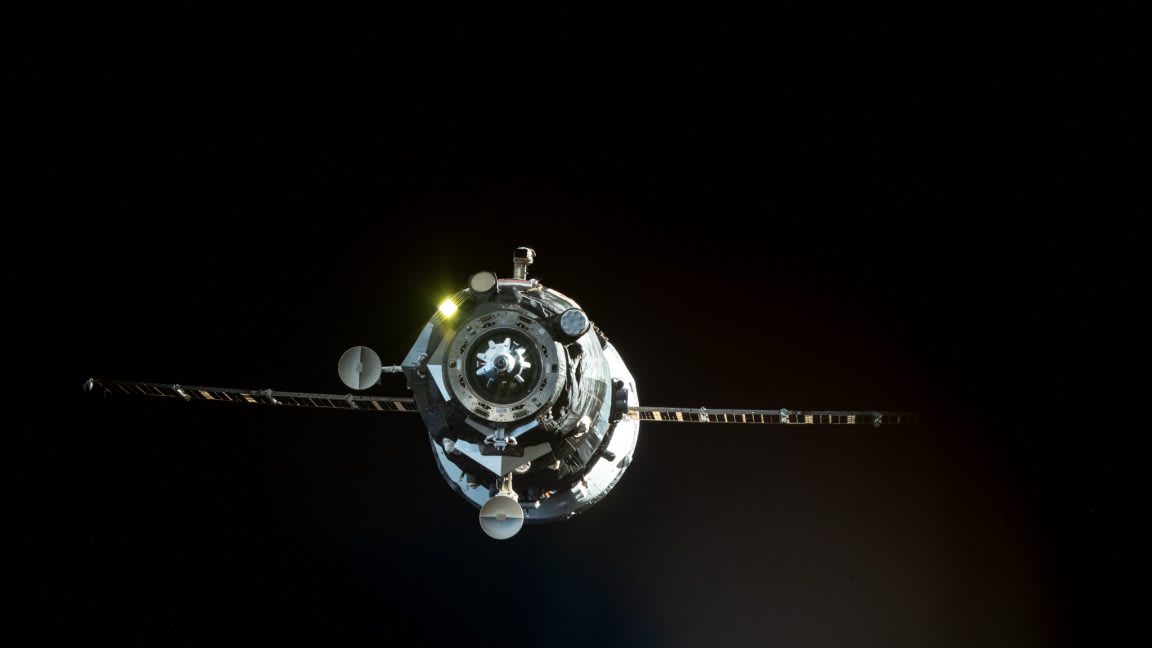
NASA has declined to provide details regarding an upcoming Russian Progress MS-36 cargo mission to the ISS. This refusal to share scheduling information for a joint operation highlights growing tensions and communication silos within international space cooperation.
The Opaque Nature of ISS Logistics
During a recent NASA press conference, a routine inquiry regarding the launch schedule of the Russian Progress MS-36 cargo mission was met with a surprising deflection. When asked by reporter Jeff Foust for confirmation and timing of the upcoming launch, NASA representatives declined to provide the information, instead directing the media to contact Roscosmos directly. This interaction underscores a notable shift in the transparency of operations concerning the International Space Station (ISS), a facility that has historically functioned as a pillar of international collaboration and open data sharing.
The Erosion of Routine Communication
The ISS has long been lauded as a triumph of diplomatic engineering, where the United States and Russia maintain a complex, interdependent partnership. By refusing to confirm the launch time of a spacecraft destined for a station co-operated by both nations, NASA’s response signals a potential breakdown in the routine flow of information. While the Progress mission is a critical logistical operation—delivering essential supplies such as fuel, food, and scientific equipment—the lack of coordination in public messaging suggests that the political climate on Earth is increasingly impacting the professional discourse of space agencies.
Historical Context of ISS Operations
Historically, the ISS program has relied on a high degree of mutual transparency. Both NASA and Roscosmos have consistently shared launch windows, docking procedures, and mission status updates to ensure the safety and efficiency of the crew aboard the station. This level of cooperation has allowed for the seamless integration of Russian Progress and Soyuz vehicles alongside American commercial cargo providers. The sudden opacity regarding the Progress MS-36 launch represents a departure from these established norms, raising questions about whether this is a localized administrative choice or a broader shift in policy.
Geopolitical Implications and Future Trends
This incident highlights the precarious nature of international space partnerships during periods of geopolitical strain. As tensions between the US and Russia remain elevated, scientific agencies are often placed in the difficult position of balancing operational necessity with diplomatic constraints. If NASA continues to defer to Roscosmos for basic operational data, it may indicate a trend toward increased compartmentalization. This could lead to a future where the ISS functions more as a collection of siloed modules rather than a singular, unified research laboratory.
Conclusion: Assessing the Future of Space Diplomacy
The refusal to provide a simple launch time for the Progress MS-36 mission serves as a microcosm for the current state of US-Russia space relations. While the mission itself will likely proceed as planned, the shift in communication protocols reflects the fragility of international scientific cooperation. Moving forward, observers will be watching closely to see if this trend of reduced transparency persists, potentially complicating the logistics of future ISS operations and the long-term sustainability of the space station partnership.