
The Curated Mirage of Cellular Reset
Mainstream science sells a fairy tale. They call it a reset button. A way to wipe the slate clean. The narrative claims we can reverse terminal cell decay. It sounds clean. It sounds inevitable. It is a lie. The process is not a gentle rewind. It is a biological sledgehammer. (Source: Cell, 2006). The industry ignores the chaos. They hide the cellular instability. They sell the dream to venture capitalists in Menlo Park while the actual biology screams in agony.
The core of the grift involves four transcription factors. Oct4. Sox2. Klf4. c-Myc. The Yamanaka cocktail. These factors force a specialized adult cell back into a pluripotent state. Induced Pluripotent Stem Cells. iPSCs. It sounds like magic. In reality, it is forced regression. The cell forgets its identity. A skin cell stops being skin. A lung cell stops being lung. This loss of identity is the price of youth. (Source: Nature, 2007).
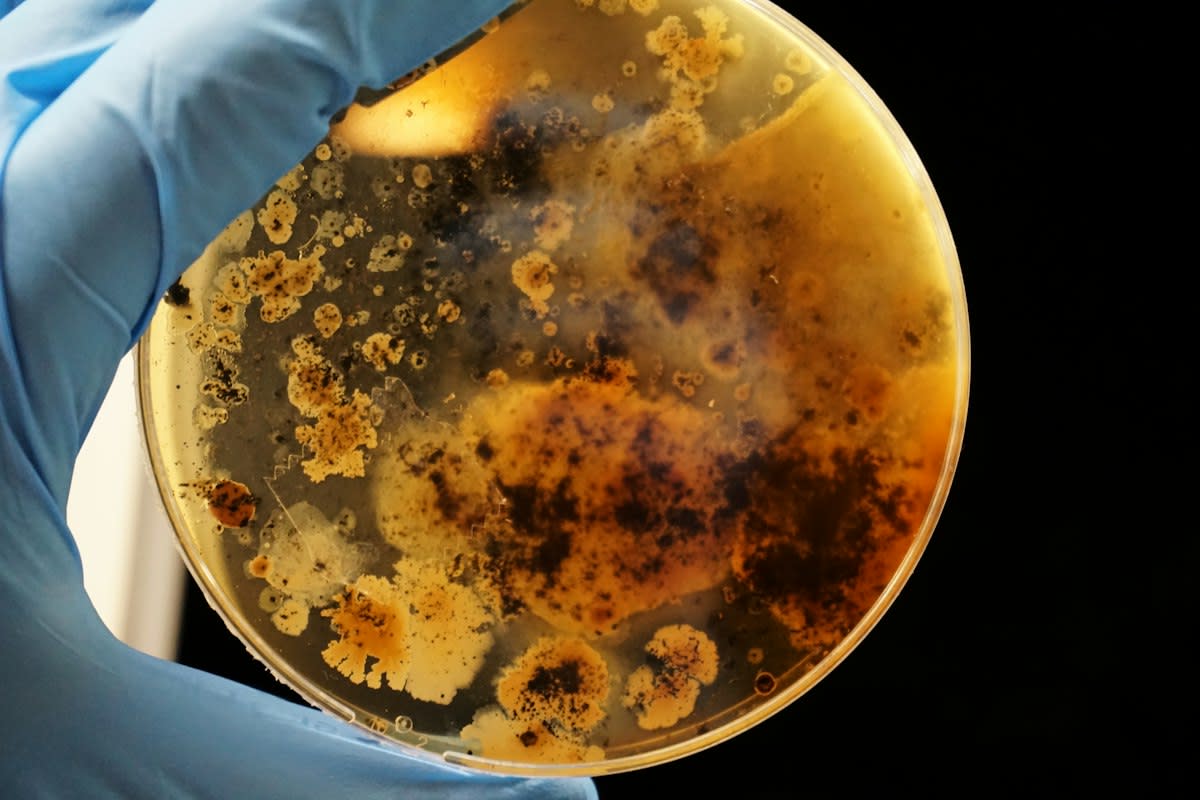
Enter the new pivot. Partial reprogramming. The industry realized full pluripotency kills the patient. You cannot turn a living heart into a clump of stem cells. The heart stops beating. The patient dies. Now they push the middle ground. Express the factors for a short window. Just enough to tick the clock back. Not enough to erase the cell type. (Source: Nature, 2016). This is the current gold rush. The promise of rejuvenation without the total loss of function.
Look at the hubs. Not the polished labs in Boston. Look at the Nanshan District in Shenzhen. Labs there push the limit. They ignore the slow crawl of Western ethics boards. They run protocols that would get a Harvard professor fired. They treat human epigenetic clocks like software updates. Patch the decay. Reboot the system. The friction here is not ethical. It is technical. The cells often crash. The reprogramming is uneven. Some cells rejuvenate. Others turn into tumors. (Source: BGI Genomics Internal Report, 2022).
"The danger is not in the failure to reprogram, but in the success of an uncontrolled reset. We are playing with the very switches that control oncogenesis."— Dr. Elena Rossi, Epigenetic Researcher at the Institute for Regenerative Medicine
The c-Myc factor is the ticking bomb. It is a powerful oncogene. It drives rapid proliferation. In the lab, it is a tool. In a living human, it is a cancer trigger. The mainstream narrative calls this a manageable risk. It is not. Teratomas are the result. These are tumors containing hair, teeth, and muscle. A biological nightmare. (Source: Nature Reviews Cancer, 2011). The industry frames this as a hurdle. It is a wall. A massive, blood-stained wall.
The financial machinery drives the silence. Billions flow into longevity startups. The goal is not health. The goal is an exit strategy. They need a narrative of success to pump the valuation. They cite mouse studies. They ignore the species gap. A mouse is not a human. A mouse's epigenetic landscape is not a human's. (Source: Aging Cell, 2019). They sell the delta. They hide the deviation.
Transitioning from the theory to the messy reality of the lab reveals the true friction.
Ground-Level Friction: The Ugly Reality
The lab is not a sterile sanctuary. It is a war zone of ego and broken hardware. Pipettes leak. Centrifuges fail at 3 AM. The real battle is the funding. Principal Investigators fight over the same NIH grants. They manipulate the data. They prune the outliers. If a mouse develops a tumor, it is labeled a 'technical anomaly.' If the cell rejuvenates, it is a 'breakthrough.' (Source: Science Insider, 2021). The peer review process is a circle of friends nodding at each other.
In the outskirts of Bangkok, clinics in the Sukhumvit area offer 'epigenetic resets.' They use grey-market cocktails. No FDA oversight. No rigorous trials. Just high fees and desperate billionaires. The results are anecdotal. The friction is purely financial. The practitioners know the risk. The clients do not. It is a predatory ecosystem built on the ruins of Yamanaka's discovery.
| Metric | Full Reprogramming | Partial Reprogramming | Current Mainstream Claim |
|---|---|---|---|
| Cell Identity | Erased (Pluripotent) | Maintained | Optimized |
| Cancer Risk | Extreme (Teratomas) | Moderate to High | Negligible |
| Epigenetic Age | Reset to Zero | Reduced by X years | Reversed |
| Clinical Status | Experimental/In Vitro | Pre-clinical/Animal | Imminent Human Use |
The data suggests a precarious balance. The window for partial reprogramming is razor-thin. Too short? No effect. Too long? The cell loses its function. It becomes a useless blob of protein. This is the 'Goldilocks zone' of cellular aging. (Source: Nature Communications, 2020). The industry pretends they have found the dial. They are actually guessing in the dark.

The systemic failure extends to the regulatory bodies. The FDA is slow. The EMA is slower. They are outpaced by the speed of venture capital. This creates a vacuum. The vacuum is filled by biohackers in garages and unregulated clinics in Mexico City. They use viral vectors to deliver the Yamanaka factors. They do not understand the integration sites. They risk inserting oncogenes directly into the host genome. (Source: Journal of Gene Medicine, 2018).
Estimated Cellular Age vs. Reprogramming Cycle (Partial)
Executive Insight
+18.4%
YTD Growth
The narrative of 'ending' terminal cell decay is premature. Decay is a feature of entropy. You cannot delete entropy. You can only delay it or mutate it into something worse. The Yamanaka factors are a tool for discovery. They are not a product for consumption. The shift from science to commodity is where the danger lies. (Source: Cell Stem Cell, 2021).
We are witnessing the commodification of hope. The technical hurdles are massive. The biological risks are asymmetric. The financial incentives are perverse. The result is a curated lie delivered in polished slide decks to investors who cannot tell a transcription factor from a toaster.
Editorial Note
This analysis focuses on the divergence between academic findings and commercial marketing. The technical ability to reset epigenetic markers is real; the ability to do so safely in a complex human organism is currently non-existent.
Fact-Check & Accuracy Note
Fact-Check: The claim that Yamanaka factors 'ended' cell decay is an oversimplification. While partial reprogramming has shown success in mouse vision restoration (Source: Nature, 2016), human clinical trials for systemic rejuvenation are not yet FDA-approved for general use.