White House TV pool won't cover Trump after press ban: CNN
Source Entity
US Top News and Analysis
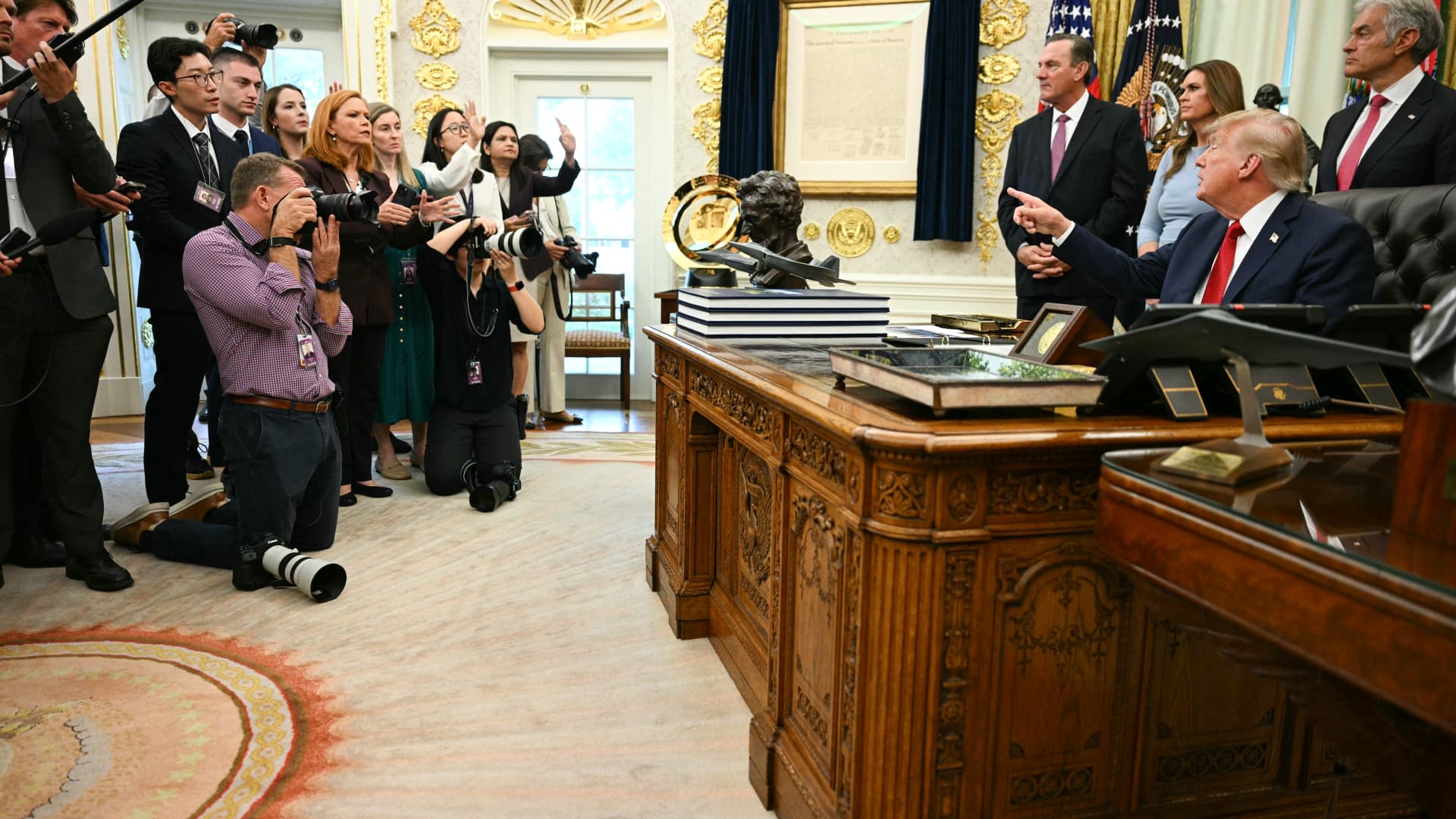
Major media outlets MS NOW, CNN, and Politico are suing President Trump following his decision to ban them from the White House. In response, the White House TV press pool has suspended coverage of the president to protest the exclusion of their colleagues.
The Constitutional Crisis of Press Access
In a move that has sent shockwaves through the American political landscape, President Donald J. Trump has implemented a total ban on three prominent media outlets—MS NOW, CNN, and Politico—from accessing the White House. The President justified this drastic measure by citing what he described as "cumulative stories" that left him "sick of it." This development has prompted an immediate legal challenge from the affected organizations, who are filing a lawsuit to demand that a federal judge overturn the ban, asserting that the administration's actions constitute a direct assault on the First Amendment.
The Legal and Constitutional Stakes
The core of the lawsuit rests on the argument that the White House's decision violates fundamental constitutional principles regarding freedom of the press. While the history of the American presidency is filled with tension between the executive branch and the media, the legal team for the plaintiffs argues that this move crosses a constitutional red line. By barring specific outlets based on their coverage, the administration is accused of attempting to dictate the parameters of legitimate journalism, which the outlets contend is a clear violation of the First Amendment rights essential to a functioning democracy.
Solidarity and the Collapse of the TV Pool
The situation escalated significantly when the White House television press pool—a rotating group of five networks tasked with providing coverage of the President—decided to suspend their coverage of Trump's events. This collective action was triggered by the exclusion of CNN from the pool during the President's visit to the United Nations General Assembly in New York. By refusing to participate in the pool, the remaining members are effectively protesting the administration's attempt to selectively curate which journalists are permitted to report on presidential activities.
The Role of the Press Pool in Transparency
To understand the gravity of this event, one must consider the function of the White House press pool. Historically, the pool acts as a vital conduit for public information, ensuring that the President’s daily activities, interactions, and policy announcements are documented for the benefit of the American people. When a network is barred from this arrangement, it does not just affect the newsroom; it limits the public's visibility into the actions of the highest office in the land. The current crisis threatens to dismantle decades of established norms regarding how the public receives information about the executive branch.
Historical Context and Broader Implications
The tension between the White House and the press is not new; administrations from the earliest days of the Republic have frequently complained about the tenor and content of news coverage. However, the move to physically bar journalists from the White House represents a departure from traditional responses to unfavorable reporting. If the court upholds the President's ban, it could set a precedent that allows future administrations to restrict press access based on ideological disagreement or personal distaste for specific reporting, fundamentally altering the relationship between the government and the fourth estate.
Future Trends and Conclusion
As the legal battle unfolds, the nation waits to see how the judiciary will balance executive authority with the protections afforded by the First Amendment. The outcome of this lawsuit will likely define the parameters of presidential power in the digital age. If the judiciary sides with the media outlets, it will reinforce the necessity of an independent press. Conversely, if the ban is upheld, the landscape of presidential accountability may be permanently diminished, potentially leading to a more opaque executive branch where only favorable reporting is permitted to reach the public eye.
Multiple Citing Sources