BJP alleges it has no say in BMC chief Ashwini Bhide’s ‘pedestrian first’ policy
Source Entity
Pratip Acharya
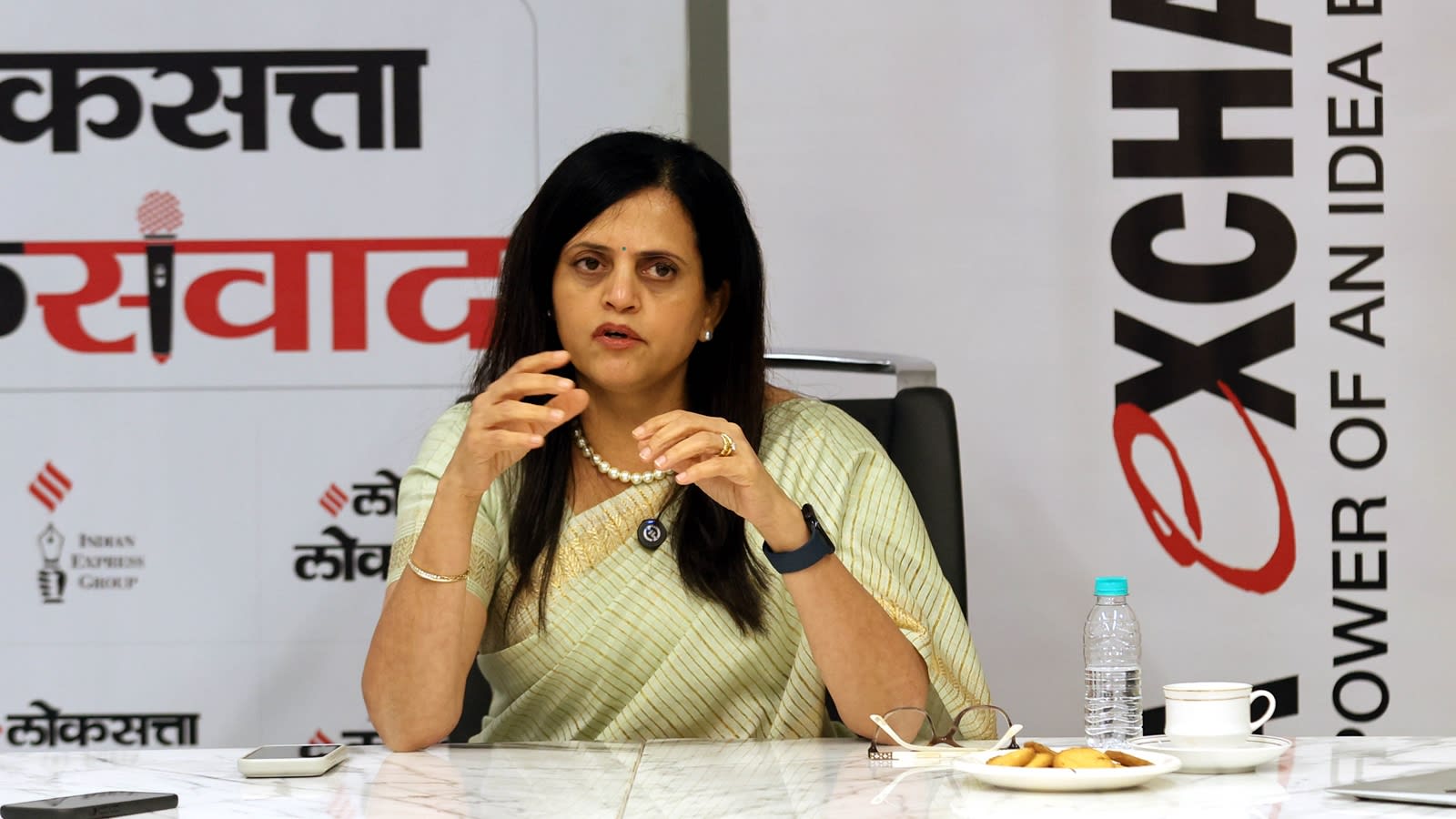
The BJP has criticized the BMC administration for excluding elected representatives from the 'Pedestrian First' policy planning. The party argues that key tourist hubs in South Mumbai were ignored in the initiative.
The Conflict Over Urban Planning in Mumbai
The ongoing tension between the Brihanmumbai Municipal Corporation (BMC) administration and elected representatives has reached a new peak with the Bharatiya Janata Party (BJP) raising formal objections against the 'Pedestrian First' policy. At the heart of this dispute is the administrative decision-making process led by Municipal Commissioner Ashwini Bhide, which the BJP claims lacks the necessary input from local corporators. This friction highlights a recurring challenge in municipal governance: the balance between technocratic urban planning and the democratic oversight provided by elected officials.
The 'Pedestrian First' Policy Disconnect
The 'Pedestrian First' initiative is designed to reorganize urban spaces to favor walking over vehicular traffic, a necessary shift for a congested metropolis like Mumbai. However, the BJP's recent letter, penned by Colaba corporator Makarand Narwekar, underscores a breakdown in communication. By asserting that corporators were not consulted during the selection of roads and footpaths for improvement, the BJP is emphasizing the need for local expertise in identifying which areas require immediate intervention.
Neglected Tourist Landmarks
A primary point of contention involves the exclusion of iconic locations such as Colaba Causeway and Mahatma Gandhi Road in the Kala Ghoda district. These areas are not merely transit points; they are internationally recognized tourist destinations that experience massive daily footfall. The BJP argues that by omitting these high-traffic zones from the 'Pedestrian First' policy, the BMC is failing to address the very areas where pedestrian infrastructure is most critically needed to manage crowds and improve safety.
The Broader Implications of Administrative Autonomy
This incident is symptomatic of a broader structural issue within the BMC. When administrative heads like the Municipal Commissioner wield significant power over urban development projects without incorporating feedback from elected representatives, it risks creating a disconnect between policy execution and ground-level reality. The BJP’s intervention serves as a reminder that urban planning in a city as complex as Mumbai requires a collaborative approach that integrates administrative efficiency with the localized knowledge of those who represent the city's wards.
Historical Context and Future Trends
Mumbai has historically struggled to balance its rapid expansion with pedestrian-friendly infrastructure. Past attempts at road and footpath development have often been criticized for being disjointed or failing to account for the unique characteristics of different neighborhoods. Moving forward, the trend toward 'walkable cities' will likely remain a priority for the BMC. However, the success of these future projects will depend heavily on whether the administration can establish a more inclusive planning framework that mitigates political friction and leverages the insights of local representatives to ensure that high-impact areas are prioritized effectively.