SIR: From Delhi CM To India's Foreign Minister - Why Famous Names Got EC Notices; What Next?
Source Entity
Latest News: Todays Latest News Headlines from India & World | Hindustan Times | Hindustan Times
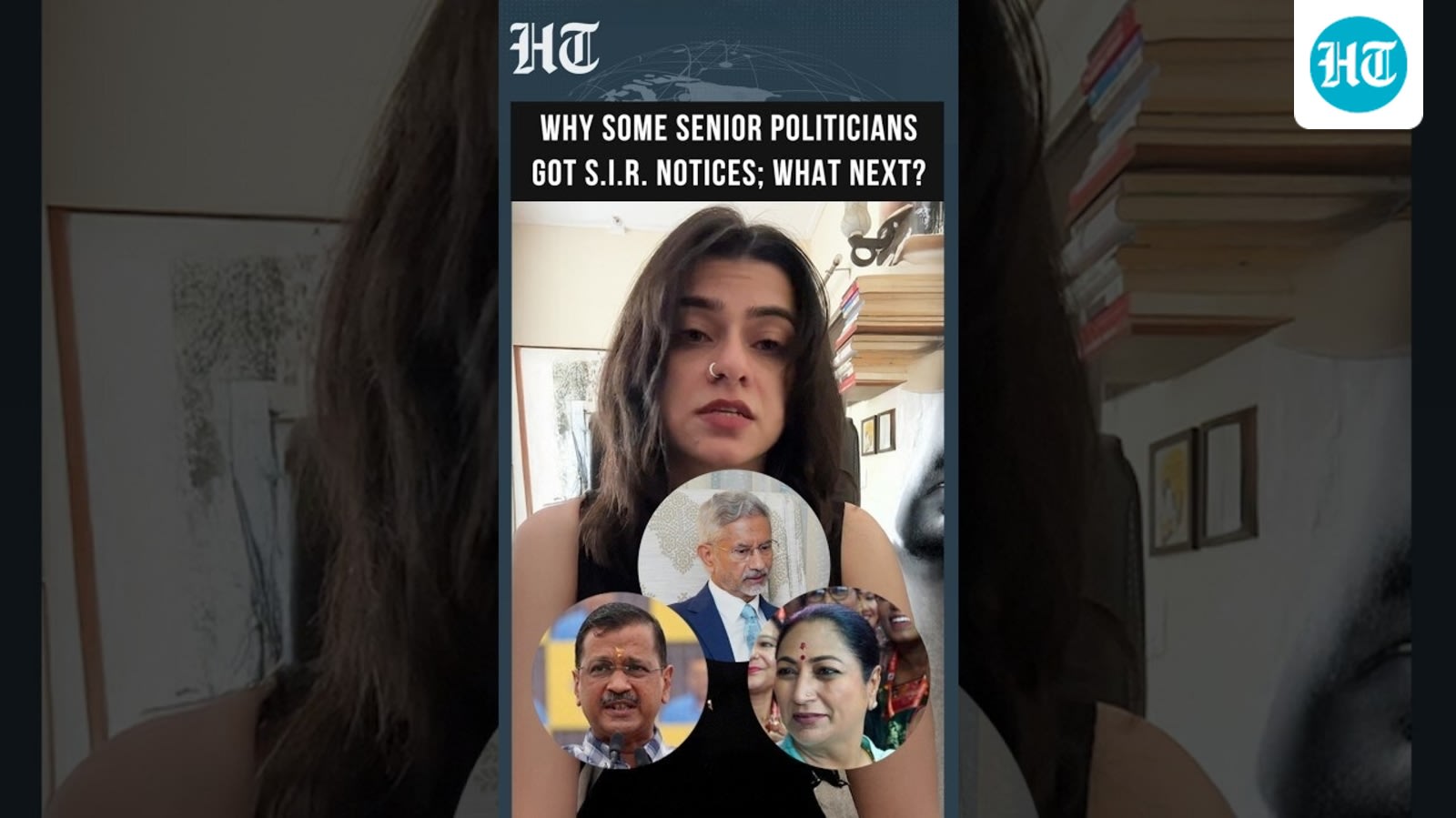
The Delhi Election Commission has removed 47 lakh voters from the draft electoral roll, citing logical discrepancies during a Special Intensive Revision. High-profile figures, including CM Rekha Gupta and former CM Arvind Kejriwal, are among the 3.31 million voters issued notices to verify their credentials.
Delhi Electoral Roll Revision: A Massive Administrative Overhaul
In a move that has sent shockwaves through the political landscape of the national capital, the Delhi Election Commission (EC) has initiated a sweeping Special Intensive Revision (SIR) of the city's voter rolls. Published on August 31, the draft electoral roll revealed a staggering reduction, excising 47 lakh names from the previous count of 1.45 crore voters. This represents a removal of nearly one in every three voters, a significant administrative action that has prompted immediate scrutiny from political parties and the public alike.
The Scope of Discrepancies
The scale of this revision is unprecedented, with election officials categorizing the deletions under "No Mapping" and "Logical Discrepancies." According to Chief Electoral Officer Ashok Kumar, the commission has identified 3.31 million electors who are currently being issued formal notices. These notices require residents to present supporting documentation to rectify issues ranging from incorrect dates of birth to address mapping errors. The sheer volume of these notices suggests a systemic attempt to clean the rolls, though the impact on such a large portion of the electorate has raised concerns regarding accessibility and potential disenfranchisement.
High-Profile Political Impact
The gravity of the situation was underscored when it was revealed that top political figures were not spared from the audit. Delhi Chief Minister Rekha Gupta and her predecessor, Arvind Kejriwal, are among those who have received notices regarding their status on the electoral roll. The inclusion of Kejriwal’s family members, including Sunita Kejriwal, his parents, and his son, has amplified the political backlash. The Aam Aadmi Party (AAP) has publicly questioned the legitimacy of the process, asking, "How is it possible?" and challenging the EC’s methodology in identifying these discrepancies.
Administrative Response and Public Hearings
In response to the growing concern, the office of the Chief Electoral Officer has mobilized electoral roll officer teams to conduct camps for hearings across the city. These sessions are designed to allow affected individuals to present their documents and resolve the flagged discrepancies. Mr. Kumar has indicated that the administration is prepared to increase the number of these camps if necessary to accommodate the high demand. This reactive measures highlight the challenge of managing a large-scale data verification project in a densely populated urban environment like Delhi.
Broader Implications for Democracy
The current situation in Delhi serves as a critical case study for electoral management in India. While periodic revisions are essential to maintain the integrity of the voter list—ensuring that only eligible residents are registered—the sudden removal of nearly 33% of the electorate raises questions about the balance between administrative efficiency and the right to vote. The ongoing legal interest, including an urgent plea heard by the Supreme Court regarding the SIR, suggests that the judicial branch will play a pivotal role in determining whether the EC’s process adheres to constitutional standards of transparency and fairness.
Future Outlook and Conclusion
As the Delhi Election Commission continues its verification efforts, the focus will remain on how effectively the government can facilitate the re-enrollment of legitimate voters who may have been caught in this mass "logical discrepancy" net. The outcome of the current hearings will be a bellwether for future electoral revisions in other major Indian cities. Ensuring that the democratic process remains inclusive while simultaneously purging invalid data is a delicate task, and the coming weeks will be decisive in determining the final composition of the electoral roll for upcoming cycles.
Multiple Citing Sources
Verification Required?