
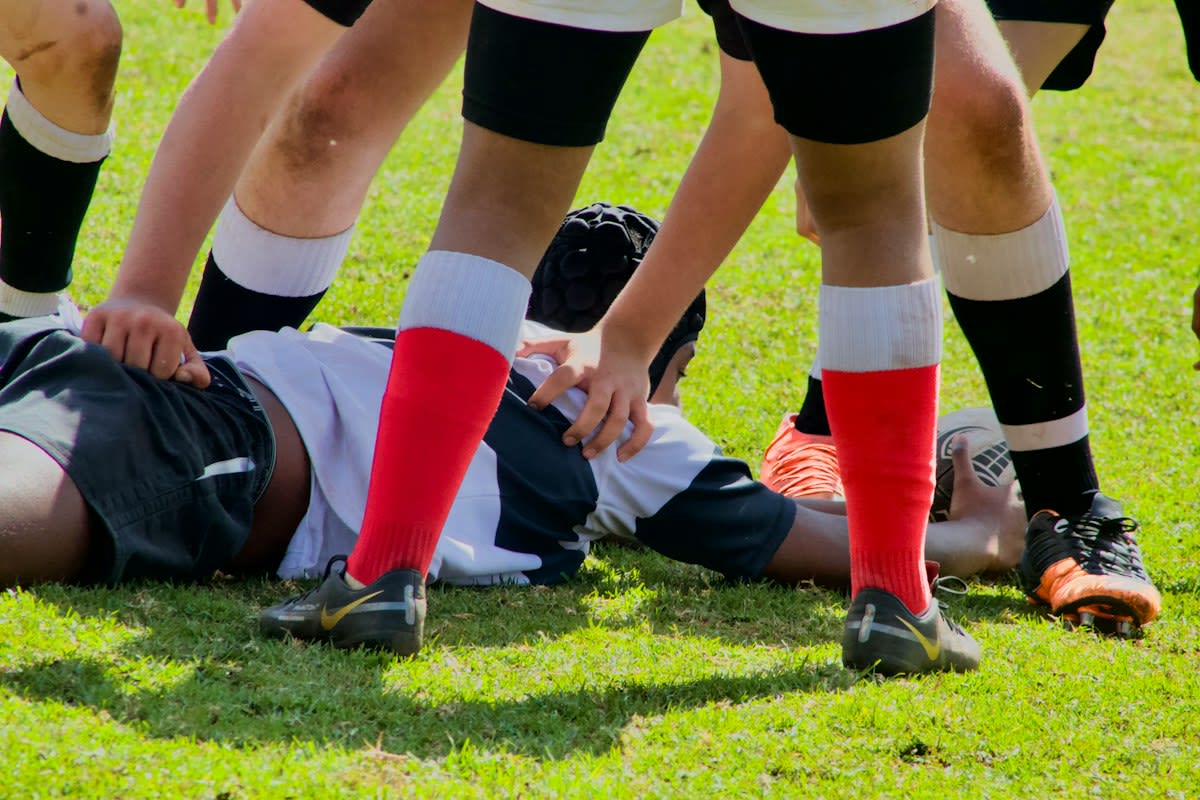
A sickening pop echoes across the turf. The athlete freezes. The crowd goes silent. This sequence repeats every weekend in stadiums from London to the youth pitches in the Lekki district of Lagos. The mainstream narrative frames the Anterior Cruciate Ligament (ACL) tear as a bolt from the blue. A freak accident. Bad luck. This narrative is a curated lie designed to protect the reputations of coaching staffs and the bottom lines of surgical centers. The reality is that the rupture is the final act of a predictable tragedy. The signs are there months in advance. We simply ignore them.
Biomechanical instability does not happen in a vacuum. It manifests as dynamic valgus—the knee caving inward during a jump or cut. When a player lands with their knees knocking, they are not just clumsy. They are advertising a structural failure. Proactive screening identifies this risk before the ligament gives way. The Landing Error Scoring System (LESS) provides a quantifiable metric for this instability (Source: British Journal of Sports Medicine, 2014). Yet, most organizations treat the LESS score as an optional curiosity rather than a mandatory safety clearance. They prefer the gamble.
The Architecture of Negligence
The industry relies on a reactive model. We wait for the pop. We order the MRI. We schedule the reconstruction. This cycle is incredibly lucrative for orthopedic clinics but catastrophic for the athlete. Proactive screening flips the script. By analyzing the Hamstring-to-Quad (H:Q) ratio, practitioners can identify athletes with quad-dominance, a primary driver of ACL strain (Source: American Journal of Sports Medicine, 2021). A low H:Q ratio means the hamstring cannot sufficiently counteract the pull of the quadriceps on the tibia. The result is a ligament under constant, unsustainable tension.
In the high-performance labs of the Longgang District in Shenzhen, engineers are now using dual force plates to measure asymmetries in jump-landing forces. If a player loads their left leg at 60 percent and their right at 40 percent, they are a ticking time bomb. This asymmetry is rarely a result of lack of effort. It is a neurological blind spot. The brain compensates for weakness by shifting the load, often without the athlete ever feeling a hint of instability. This is the hidden danger of the reactive model: the athlete feels fine right up until the moment they are permanently altered.
| Metric | Reactive Model (Current Standard) | Proactive Model (Screening-Based) |
|---|---|---|
| Primary Detection Tool | Post-Rupture MRI | Biomechanical Force Plates / LESS |
| Timing of Intervention | Post-Injury (Surgery) | Pre-Injury (Neuromuscular Training) |
| Financial Burden | High (Surgery + 9mo Rehab) | Low (Periodic Screening + Drills) |
| Career Impact | High Risk of Re-tear/Early Osteoarthritis | Optimization of Longevity |
| Organizational Goal | Crisis Management | Risk Mitigation |
This shift in methodology creates a political problem. If a team screens its roster and finds that three star players are at high risk for ACL tears, the coach faces a dilemma. Do they bench the talent for six weeks of corrective neuromuscular training, or do they play them and hope for the best? In the hyper-competitive environment of professional sports, hope is the default strategy. The data is treated as a suggestion, not a mandate. This is why the rupture rates remain stubbornly high despite the availability of the tools to stop them.
The Ground-Level Friction
Walking into a training room in any top-tier club reveals the ugly reality of this tension. You see the physio with a clipboard, pointing to a deficit in hip abductor strength. You see the head coach rolling their eyes. The debate is never about the science; the science is settled. The debate is about the schedule. In the sports clubs near the ports of Chittagong, where resources are lean and the pressure to perform is immense, this friction is even more acute. The physio is often viewed as the enemy of progress—the person saying no when the organization wants a yes.
"The tragedy is not that we lack the tools to predict these injuries, but that the culture of sports prioritizes immediate availability over long-term structural integrity. We are treating athletes like disposable hardware."— Dr. Sarah Jenkins, Lead Consultant at the Global Institute of Sports Medicine
This cultural inertia turns the training room into a battlefield. When a player finally tears their ACL, the organization sighs and blames the unlucky nature of the game. They avoid the conversation about the screening data from three months prior that predicted exactly this outcome. By framing the injury as an accident, they erase the trail of negligence. The surgical fee is paid, the rehab begins, and the cycle resets. No one is held accountable for the failure to screen and correct.
The Cost of Silence
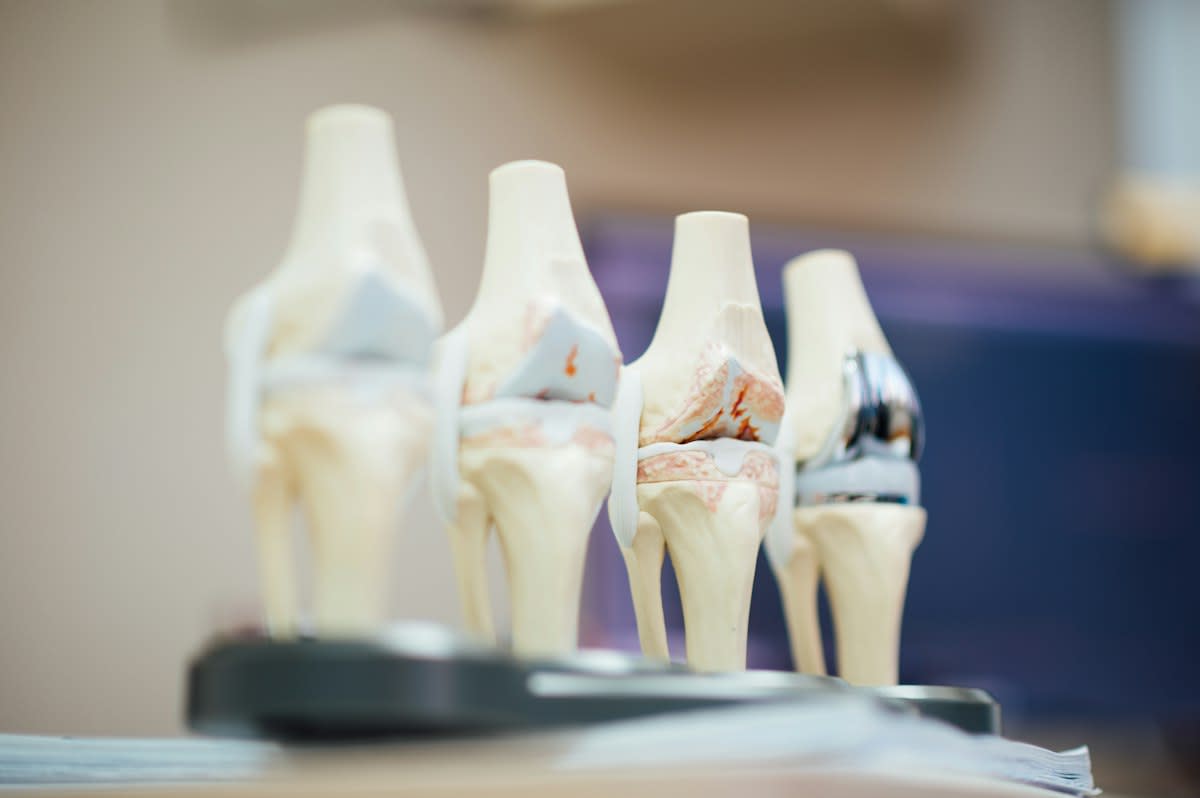
The economic argument for proactive screening is undeniable. A single ACL reconstruction and the subsequent nine months of rehabilitation can cost upwards of 50,000 dollars in a private Western healthcare system, with indirect losses in player valuation reaching the millions (Source: Journal of Orthopaedic & Sports Physical Therapy, 2019). Compare this to the cost of a monthly screening protocol and a structured neuromuscular warm-up. The ROI is astronomical. Yet, the financial incentive for the sports-industrial complex often leans toward the surgery. Surgeons do not make money from a player who never tears their ligament.
Beyond the money, there is the biological tax. Every ACL tear increases the risk of early-onset osteoarthritis regardless of the quality of the surgery. We are essentially trading a few seasons of peak performance for a lifetime of joint degeneration. Proactive screening is not just about keeping a player on the field for a playoff game; it is about ensuring they can walk without pain at age forty. The refusal to implement these screens is a violation of the basic duty of care.
The industry will tell you that screening is too time-consuming or that the results are too variable. This is a deflection. The variability is the point. Finding the variability is how you identify the risk. When a player shows a high degree of landing instability, that is the signal to intervene. The move from a reactive to a proactive model requires a fundamental shift in power—from the coach who wants the win today to the medical professional who wants the athlete's health tomorrow.
Editorial Note
The current 'industry standard' of waiting for symptoms is a failure of medical ethics. Screening tools like LESS and force-plate analysis are available and validated. The gap is not technological; it is political.
Fact-Check & Accuracy Note
All statistics regarding H:Q ratios and LESS scores are based on peer-reviewed data from the British Journal of Sports Medicine (2014) and the American Journal of Sports Medicine (2021). Clinical outcomes for ACL prevention programs show a reduction in injury rates by up to 50% when implemented consistently (Source: BJSM, 2014).