Petition seeks end to Electronics City flyover toll after concession period ends
Source Entity
India Latest News: Top National Headlines Today & Breaking News | The Hindu
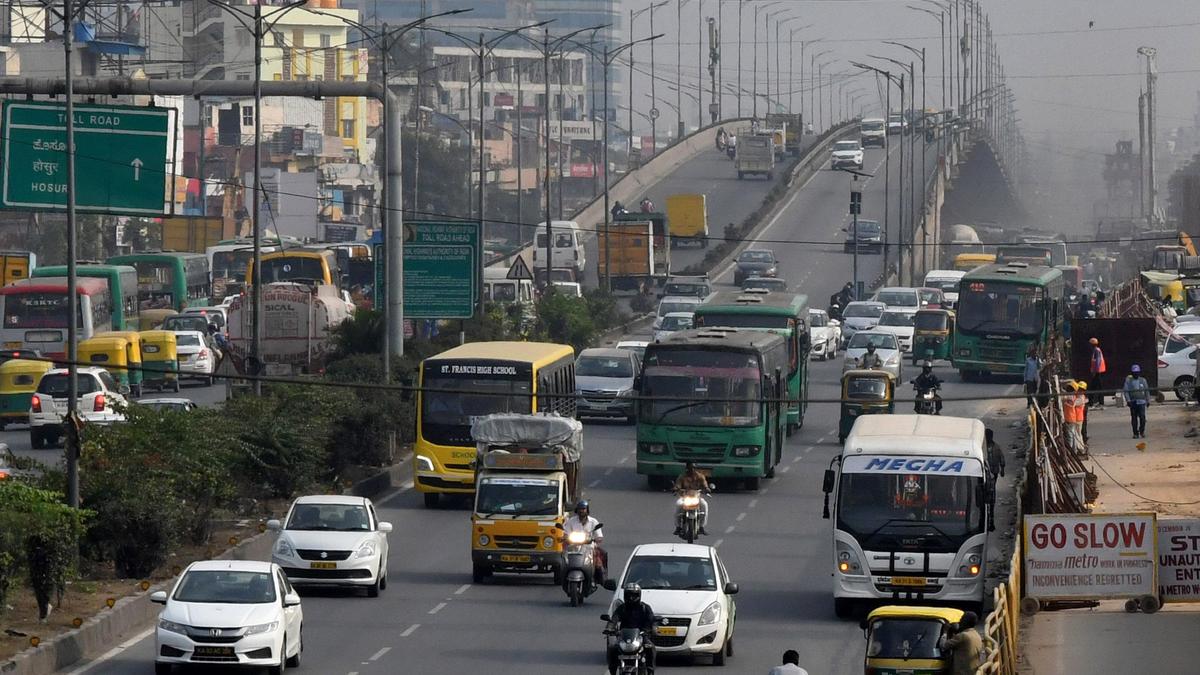
Citizens have launched a petition demanding the end of toll collection on Bengaluru’s Electronics City Flyover, citing the expiration of the 20-year concession period. The flyover, managed by BETL under a BOT model, reached its contract end date on September 10, 2026.
The Call for Toll-Free Transit on the Electronics City Flyover
Recent public discourse in Bengaluru has centered on the future of the Electronics City Flyover, a critical arterial link connecting the Central Silk Board to Electronics City. An online petition has gained traction, urging the National Highways Authority of India (NHAI) and the Ministry of Road Transport and Highways (MoRTH) to formally cease toll collection. This demand follows the assertion that the project's contractual lifecycle has officially concluded, shifting the burden of infrastructure maintenance back to the public domain.
Historical Context and Project Genesis
Initiated in 2006, the 10-km elevated corridor was designed to alleviate the chronic traffic congestion along the Hosur Road corridor, a vital nerve center for Bengaluru’s IT industry. Inaugurated on January 22, 2010, the project was executed under the Build-Operate-Transfer (BOT) model by Bengaluru Elevated Tollway Limited (BETL). With an estimated construction cost of ₹1,000 crore, the BOT framework was intended to incentivize private investment by allowing the concessionaire to recoup costs and generate profit through toll revenue over a defined duration.
The Legal and Concessionary Framework
At the core of the current controversy is the interpretation of the 20-year concession period. According to the organizers of the Change.org petition, the agreement period commenced in 2006 and reached its expiration on September 10, 2026. Under the standard terms of such infrastructure contracts, the right to collect user fees is strictly time-bound. Once the concession period lapses, the asset is typically intended to be handed over to the government, at which point the continued collection of tolls becomes a point of contention for daily commuters.
Broader Implications for Bengaluru Infrastructure
The Electronics City Flyover serves as a microcosm for the broader challenges of urban mobility in India’s tech capital. As Bengaluru continues to expand, the reliance on elevated corridors has become essential. However, the economic impact of tolling on daily commuters cannot be overstated. If the concession period has indeed ended, the cessation of tolls would provide significant financial relief to thousands of IT professionals and residents who rely on this route for their daily commute, potentially setting a precedent for other BOT projects in the region.
Future Trends and Regulatory Expectations
As the petition puts pressure on the NHAI and MoRTH, the focus now shifts to transparency and regulatory compliance. The government must address the discrepancy between the public's understanding of the contract expiration and any potential extensions or amendments that may have been filed. Moving forward, the resolution of this issue will likely influence public trust in future public-private partnership (PPP) infrastructure projects, highlighting the necessity for clear communication regarding the lifecycle of toll-based assets.
Conclusion
The demand to end toll collection on the Electronics City Flyover is a reflection of a growing civic consciousness regarding infrastructure governance. With the stated end date of September 10, 2026, having passed, the authorities are now under significant pressure to validate the status of the agreement. A transition to a toll-free model would mark a significant milestone for commuters, signaling the successful completion of a major infrastructure lifecycle and the return of public utility to the city's populace.
Verification Required?