'Naxalites can't make law': Heated exchange between lawyers during Vande Mataram hearing
Source Entity
AASTHA JHA
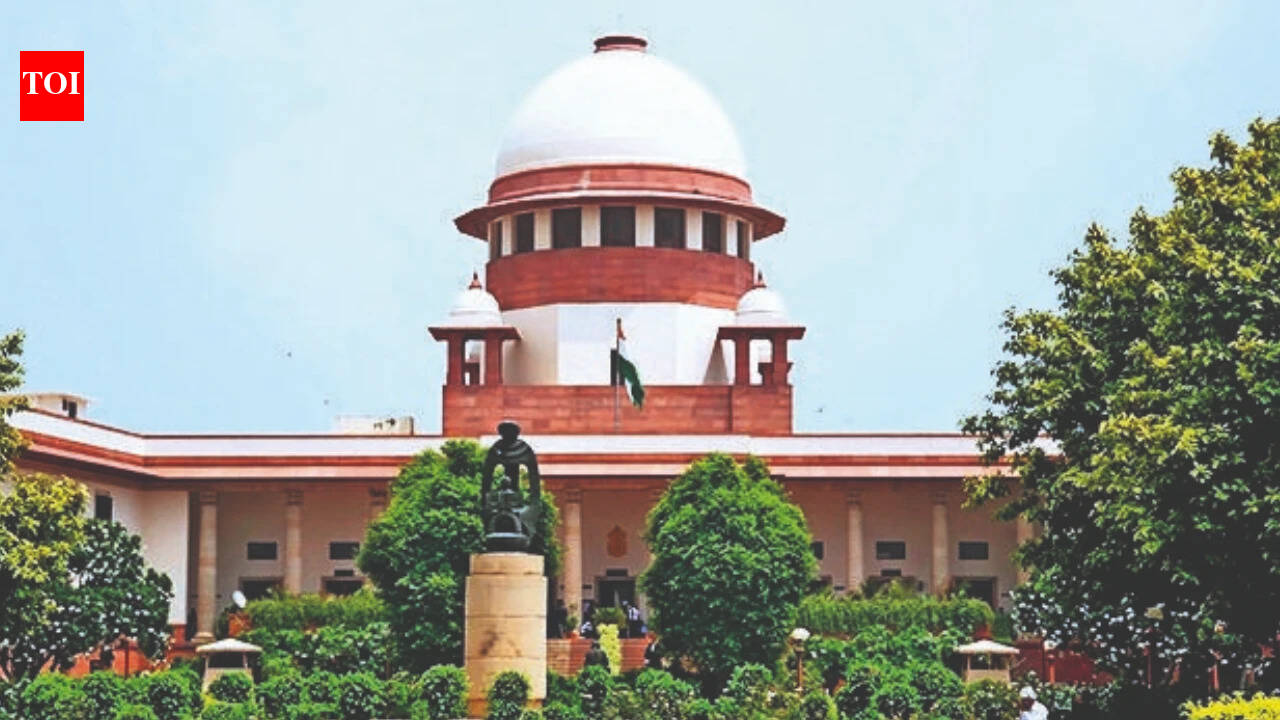
The Supreme Court is reviewing whether refusing to sing Vande Mataram constitutes a punishable offense. The legal challenge, initiated by T.M. Krishna, questions the constitutionality of mandating the song's full recital in official functions.
Legal Scrutiny of Vande Mataram Mandates
The Supreme Court of India has initiated a significant legal examination regarding the mandatory recitation of Vande Mataram. A three-judge bench, presided over by Chief Justice of India Surya Kant and including Justices Joymalya Bagchi and V. Mohana, is currently evaluating whether an individual can face penal consequences for refusing to sing the National Song. This deliberation stems from a Public Interest Litigation (PIL) filed by noted Carnatic singer T.M. Krishna, which challenges existing guidelines requiring the performance of all six stanzas of the song at official functions.
Constitutional Concerns and Secularism
At the heart of the petitioner's argument is the contention that the current mandate violates the constitutional principle of secularism. The plea highlights that while the first two stanzas of Vande Mataram are widely accepted as a patriotic tribute, the remaining four stanzas contain explicit references to Hindu deities. The petitioner argues that compelling citizens to recite religious iconography in a state-sponsored capacity infringes upon the secular fabric of the Indian Constitution, which mandates that the state should maintain neutrality in matters of religious expression.
Precedent and Judicial Restraint
The Supreme Court has signaled a cautious approach, drawing parallels to its own established jurisprudence regarding the National Anthem. In previous rulings, the judiciary has maintained that no citizen can be compelled to sing the National Anthem, protecting the fundamental right to freedom of conscience and speech. By referencing this precedent, the bench is signaling that it will analyze whether similar protections against compulsory speech apply to the National Song, effectively narrowing the scope of the current inquiry away from the song's lyrical content and toward the limits of state-mandated performance.
The 'Naxalite' Rhetoric and Courtroom Tension
The hearing was marked by a contentious exchange between Solicitor General Tushar Mehta and the petitioner’s legal counsel. The Solicitor General’s characterization of the challenge as stemming from a "Naxalite mindset" drew significant attention, sparking a heated debate within the courtroom. While the Solicitor General later clarified that his remarks were directed at an ideology rather than any specific individual, the incident underscores the highly polarized nature of the discourse surrounding national symbols and the definitions of patriotism in contemporary India.
Broader Implications for National Identity
This case sits at the intersection of cultural identity, religious diversity, and state authority. As the Centre prepares to file its formal response, the court’s eventual ruling will likely serve as a landmark decision on the extent to which the government can enforce expressions of national pride. The outcome will not only impact state protocol but will also define the legal boundaries of dissent and the constitutional validity of integrating religious imagery into nationalistic rituals. The court has deferred a decision on the stanza length, focusing instead on the potential for penalization, suggesting a pragmatic approach to a deeply sensitive issue.
Multiple Citing Sources