Maharashtra to witness monsoon’s exit with 17% rain deficit
Source Entity
Dipanita Nath
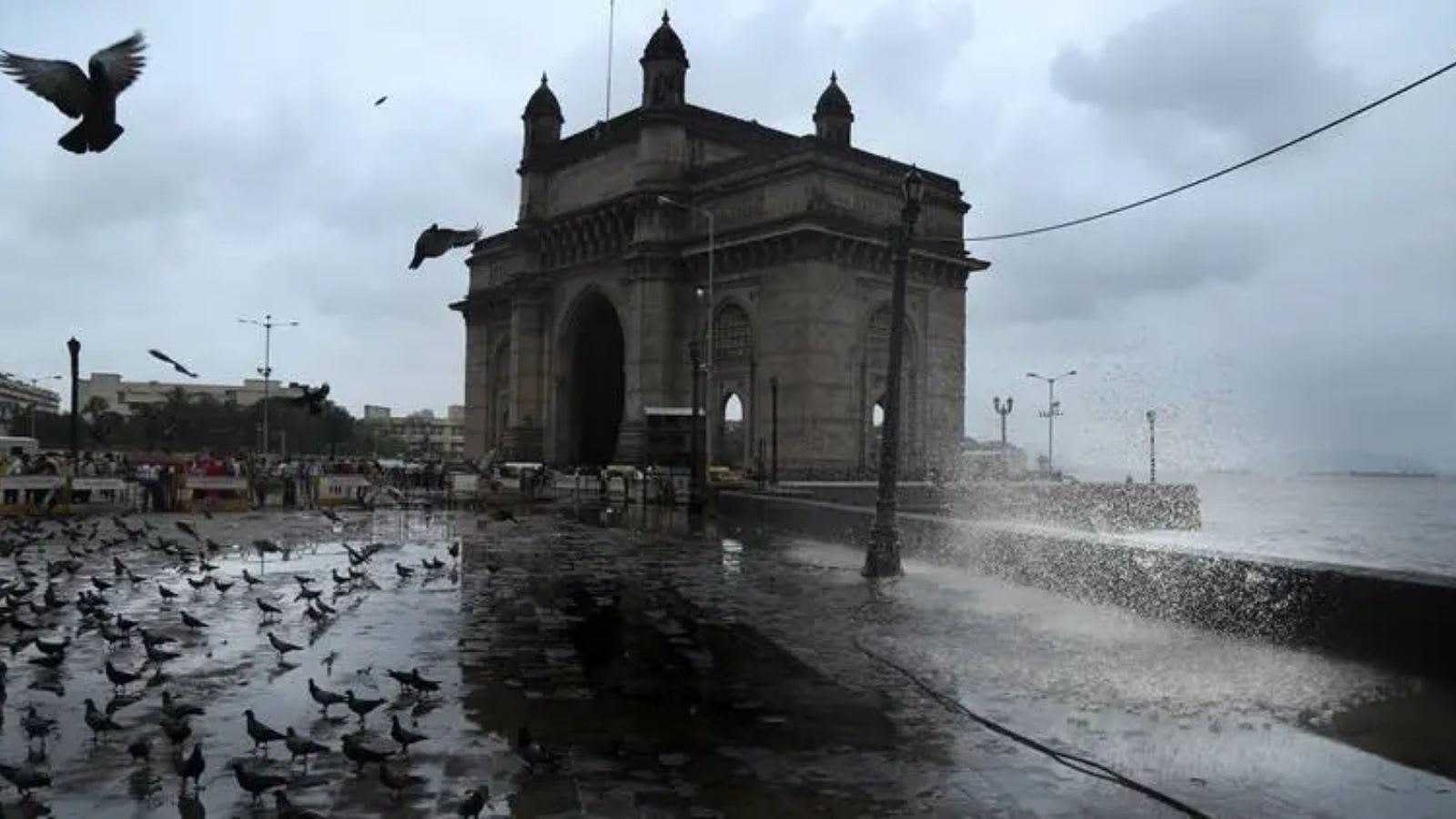
Maharashtra faces a 17% rainfall deficit as the Southwest Monsoon prepares to withdraw by October 10. The shortfall has hit several districts, including Solapur and Ahilyanagar, significantly impacting the state's seasonal water levels.
Maharashtra Faces Monsoon Withdrawal Amid Significant Rainfall Deficit
As the Southwest Monsoon prepares for its seasonal retreat, Maharashtra finds itself grappling with a notable moisture deficiency. According to recent meteorological data, the monsoon is expected to initiate its withdrawal from the state around October 5, with a full exit from the majority of the region anticipated by October 10. This transition marks the end of the primary agricultural water supply period for the state, which currently reports a 17 per cent rainfall deficit.
Quantifying the Shortfall
The scale of this deficit is underscored by official figures recorded between June 1 and September 22. While the region typically expects a normal rainfall accumulation of 953.2 mm during this period, current data indicates that only 787.2 mm has been received. This discrepancy highlights a broader trend affecting the nation, which has recorded a 15 per cent below-normal rainfall level overall, pointing to a widespread variance in precipitation patterns across India this year.
Regional Disparities and District Impact
The impact of this shortfall is not distributed evenly, with specific districts bearing the brunt of the dry spell. The data reveals severe departures from normal levels: Solapur has recorded a 57 per cent deficit, followed by Ahilyanagar at 42 per cent, Nandurbar at 34 per cent, and Sangli at 24 per cent. These figures are critical for local agricultural planning, as such significant deviations often necessitate interventions to manage water resources for the upcoming rabi season.
Meteorological Context and Anomalies
While the general trend indicates a deficit, the meteorological landscape remains complex. The India Meteorological Department (IMD) has noted that the state map is not uniformly dry; there are localized patches that have experienced normal or even excess rainfall. This phenomenon of spatial variability is a defining characteristic of recent monsoon seasons, where aggregate data often masks the acute challenges faced by specific sub-regions.
Broader Implications and Future Outlook
The impending withdrawal of the monsoon by October 10 signifies the closing window for late-season recovery. As the state moves into the post-monsoon phase, the focus will likely shift toward water conservation strategies and the assessment of crop yields in the most affected districts. The 17 per cent deficit serves as a crucial indicator for policymakers to evaluate the resilience of local infrastructure and agricultural dependencies in the face of increasingly unpredictable monsoon behaviors.