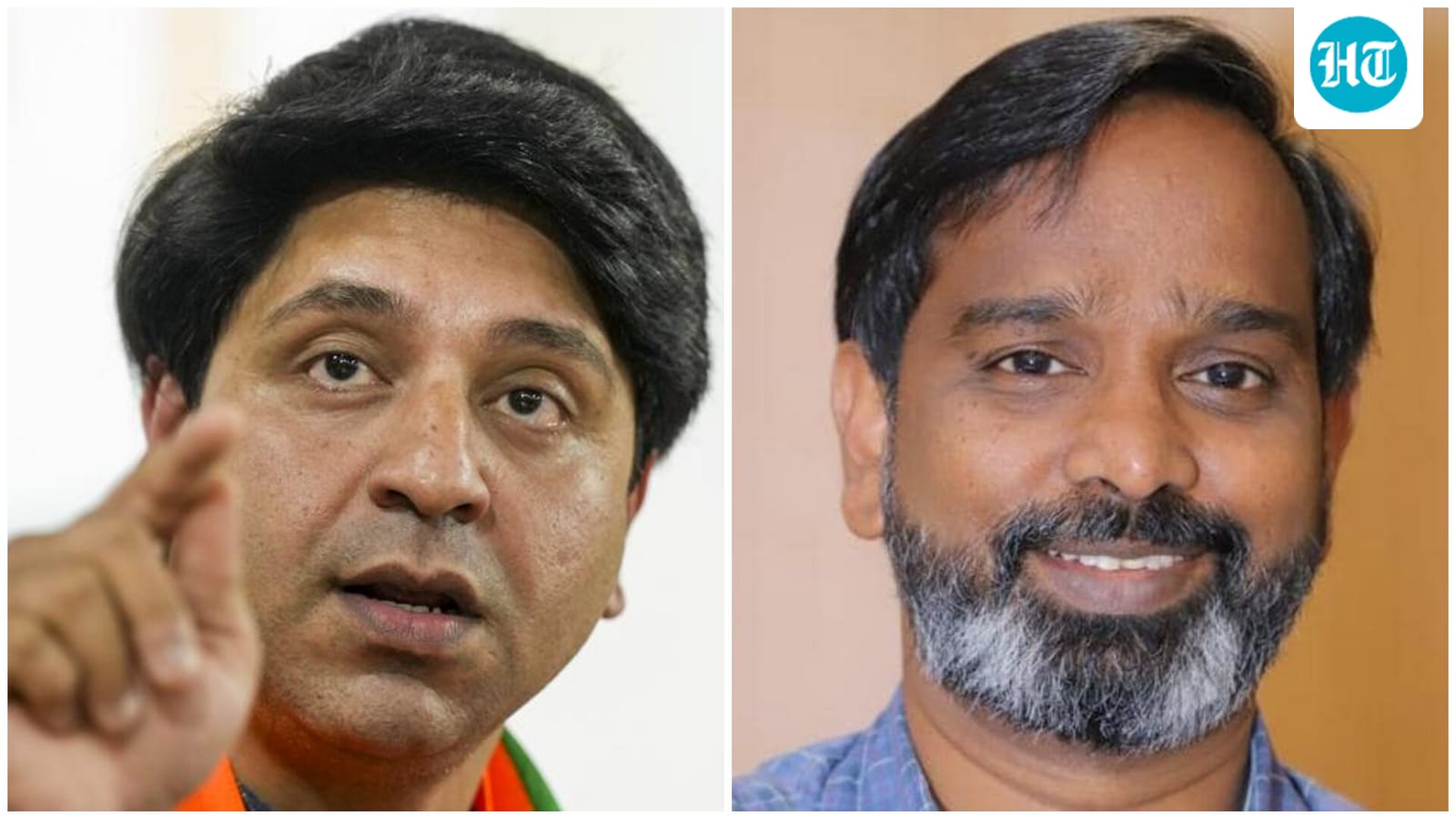
‘Let evidence decide’: Shehzad Poonawalla ‘stands with’ IIT Bombay's Professor Doolla at centre of student suicide
Source Entity
Latest News: Todays Latest News Headlines from India & World | Hindustan Times | Hindustan Times
An IIT-Bombay student died by suicide after being caught using AI tools during an exam. The incident has sparked student protests demanding institutional accountability and better mental health support following multiple recent tragedies on campus.
The Tragic Intersection of Academic Pressure and Technology
On September 18, 2026, the Indian Institute of Technology (IIT) Bombay campus was struck by tragedy when a second-year student from the Department of Energy Science and Engineering died by suicide. The incident occurred shortly after the student was apprehended for using a mobile device to upload examination questions to an AI platform in an attempt to procure answers. This event has sent shockwaves through one of India's most prestigious academic institutions, reigniting a fraught conversation regarding the immense pressure placed upon students within high-stakes educational environments.
Institutional Response and Student Outcry
In the immediate aftermath, the administration at IIT-Bombay issued a formal statement clarifying that no disciplinary action had been initiated against the student. According to the institute, the student was counseled by an instructor following the incident in the exam hall. However, this administrative narrative has failed to appease the student body. Large groups of students have gathered in protest, arguing that the focus on the student's use of AI obscures deeper, systemic failures in how the institution manages mental health and emotional well-being during periods of acute academic stress.
A Pattern of Concern
This tragedy is not an isolated event but rather the third suicide reported on the IIT-Bombay campus within a span of just seven months. The proximity of this death to an earlier fatality at the same hostel on July 28, 2026, has heightened the sense of urgency among the student population. These recurring incidents suggest a pattern that transcends individual academic lapses, pointing toward an environment where students may feel overwhelmed by the convergence of rigorous academic expectations and the rapid evolution of digital tools that complicate traditional methods of assessment.
The Role of Technology in Modern Academics
The student's decision to utilize artificial intelligence during an examination highlights the growing tension between traditional proctored assessments and the accessibility of generative AI. While the institute identified the act as a violation of exam integrity, the student's subsequent decision to take their own life raises critical questions about the psychological impact of being caught in such a high-pressure scenario. The incident serves as a grim case study on how the fear of academic failure, exacerbated by the ubiquity of AI, can lead to catastrophic mental health outcomes when support systems are perceived as inadequate.
Broader Implications and Future Trends
As higher education institutions navigate the integration of AI, they are being forced to confront not only the challenge of academic dishonesty but also the holistic well-being of their students. The protests at IIT-Bombay are a clear indicator that the student body is demanding a shift in institutional culture—one that prioritizes psychological safety and proactive mental health intervention over purely punitive or administrative responses. The future of elite engineering education in India will likely depend on the ability of institutes like IIT-Bombay to foster a more compassionate environment that addresses the root causes of distress rather than merely managing the symptoms of academic failure.
Multiple Citing Sources
Verification Required?