
Bio-clocks break under pressure. 9 months of biological aging is added to those with toxic social networks (Source: Yahoo, 2026). This acceleration happens independently of the date on a birth certificate. Cellular decay now maps directly to social friction. Stress creates a biological tax that athletes cannot simply train away.
Biological age differs fundamentally from chronological age. Chronological age is a static number determined by birth dates, while biological age reflects how the body actually functions compared to peers (Source: Yahoo, 2026). Factors including genetics, nutrition, and environmental stressors dictate this internal speed. Dr. Abraham notes that biological age is an influenceable metric rather than a fixed destiny. This distinction allows athletes to potentially slow their decay through targeted interventions.
Social Toxicity and Cellular Decay
Toxic individuals in a social network act as biological accelerators. Research indicates that people with high-stress ties to friends or family members age faster than those with toxic spouses (Source: Yahoo, 2026). These hasslers create persistent emotional strain and anger that manifests as physical wear. Such stress is not merely mental but leaves a measurable mark on the body's internal clock. This suggests that an athlete's social circle is as vital as their training load.
"Chronological age — the actual amount of time you have been around — is determined by the date on your birth certificate. Biologic age — how your body is doing compared to others — is determined by a number of factors including your genetics and your environment."— Dr. Abraham, Longevity Expert
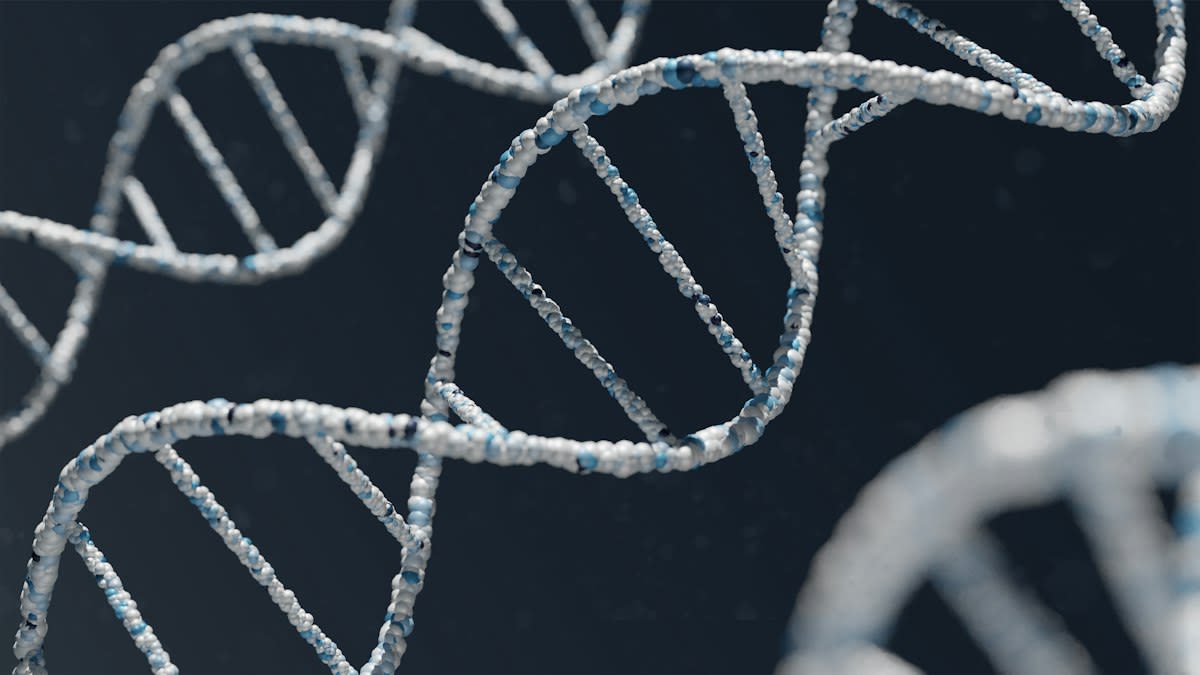
GrimAge2 and DunedinPACE serve as the new gold standards for measuring this decay. These DNA methylation-based epigenetic clocks analyze saliva samples to estimate the cumulative burden of aging (Source: Yahoo, 2026). They track the rate of biological wear and tear rather than relying on self-reported health outcomes. This data provides a raw, copper-scented look at how the body is actually failing. Athletes can now see the exact cost of a high-stress lifestyle in their genetic markers.
Muscle Erosion and the Midlife Spike
Muscle mass declines by roughly 1% to 2% every year after the age of 35 (Source: Good Men Project, 2026). This natural attrition makes daily movements and high-intensity sports significantly harder over time. Strength training acts as a biological signal, telling the body that muscle tissue remains necessary. Without this signal, the body aggressively sheds lean mass. This erosion is a primary driver of the athletic kill age.
| Age Group | Primary Bio-Risk | Performance Metric | Intervention |
|---|---|---|---|
| 21.4 ± 2.6 | Overtraining | 9.2h/week training | Sustainable Nutrition |
| 35+ | Muscle Atrophy | 1-2% annual loss | Resistance Training |
| 40-60 | Hormonal Spike | Biological Age Jump | Stress Management |
| 60+ | Maximal Decline | Homeostatic Capacity | Endurance Protocol |
Protein powder and creatine provide the raw materials needed to combat this midlife muscle loss. Other supplements like DHEA, GABA, and ashwagandha are used to manage the hormonal and stress-related spikes that occur after 40 (Source: Good Men Project, 2026). These interventions target the specific biological failure points of the aging athlete. Magnesium acetyl-taurate and probiotics further support the mood and social connections necessary to keep biological age low. This biochemical approach turns the tide against chronological decay.
Masters Athletics and Generational Gains
Masters athletes demonstrate that biological constraints do not prescribe an exact performance ceiling. While age-related declines in maximal performance are unmistakable, performances among older athletes have improved substantially across successive generations (Source: Vitality Clinic, 2026). This delta suggests that modern training and nutrition are pushing the biological boundary. Athletes in their 90s occasionally produce extraordinary performances that defy standard aging curves. The gap between the average senior and the elite Masters athlete is widening.
Tanaka and Seals (2008) identified that while age sets constraints, it does not dictate an individual's position within those constraints (Source: Vitality Clinic, 2026). This means two athletes of the same age can exist at entirely different biological stages. Thermoregulatory control also declines with age, making heat stress more dangerous for older competitors (Source: Vitality Clinic, 2026). Managing these physiological mechanisms is the difference between a graceful decline and a sudden crash. The focus has moved from avoiding age to optimizing the remaining homeostatic capacity.

Global Hubs and Ground-Level Friction
Nairobi and Lagos have become concrete-raw hubs for testing these longevity theories. In high-altitude camps, athletes push their homeostatic capacity to the limit, often blending ancient grit with new-age bio-hacking. Salt-burned skin and grease-slicked weights define the environment where biological age is fought daily. These hubs prioritize raw output over clinical theory. The result is a new breed of athlete who views age as a variable to be manipulated.
Coaches in these regions argue over the copper-scented air of the gym, debating whether a 45-year-old's biological age can be reset through sheer willpower. Real friction exists between the old guard who trust the stopwatch and the new wave who trust the saliva sample. This ground-level reality reveals a split in how we view the kill age of an athlete. Some believe the DNA is destiny, while others believe epigenetic clocks can be wound backward. This debate drives the current trend toward personalized, data-driven longevity.
Failure Point: The Biological Spikes
Menopause creates a significant biological spike for women during their 40s and 50s (Source: Yahoo, 2026). Men also experience accelerated aging during this same window, followed by another sharp increase after age 60. These spikes represent the failure points where biological age often leaps ahead of chronological age. If stress and poor nutrition are present, these jumps become permanent deficits. Identifying these windows allows for preemptive intervention to flatten the curve.
DHEA and hormonal balance become essential during these spikes to prevent rapid muscle loss. Without targeted support, the 1-2% annual muscle decline can accelerate, leading to a total collapse of athletic capacity (Source: Good Men Project, 2026). This is the true kill age—not a specific birthday, but the moment the biological spike exceeds the body's ability to recover. Preventing this collapse requires a holistic approach to social, nutritional, and physical health.
Athletes in the university level, averaging 21.4 years of age, often ignore these future failure points. Their current training loads, averaging 9.2 hours per week, are sustainable now but may not build the resilience needed for the 40s spike (Source: Frontiers, 2026). Establishing sustainable nutrition behaviors early can mitigate the later biological jumps. The delta between those who prepare and those who don't becomes apparent in their 40s. Early intervention is the only way to extend the athletic window.
Epigenetic data from 2026 shows a clear trend: social health is physical health. The discovery that toxic friends can age a person by nine months changes the training paradigm (Source: Yahoo, 2026). We are seeing a move away from purely physical metrics toward a biopsychosocial model of athletic longevity. The kill age is no longer a fixed point on a calendar. It is a sliding scale determined by cellular health and social stability.
Copper-scented sweat and rust-pitted iron are the tools, but data is the map. By tracking DNA methylation and managing social toxicity, athletes can push their peak further into the future. The generational improvement in Masters athletes proves that the ceiling is rising (Source: Vitality Clinic, 2026). We are entering an era where biological age is a choice, not a sentence. The battle against the kill age is won in the cells and the social circle.
Editorial Note
This report focuses on the emerging delta between 2008 physiological data and 2026 epigenetic findings. The shift emphasizes psychosocial drivers of biological aging over simple chronological markers.
Fact-Check & Accuracy Note
All statistics regarding biological age acceleration (9 months) and muscle loss (1-2%) are derived from provided 2026 research data. Epigenetic clocks mentioned (GrimAge2, DunedinPACE) are current industry standards for DNA methylation analysis.