
For decades, the sports world operated under a rigid, almost biological dogma: the peak occurs in the mid-twenties, a slow decline follows in the early thirties, and by forty, the elite athlete is a relic. We viewed the aging process as an inevitable slide into obsolescence. But look at the current global landscape, and that narrative isn't just cracking; it has shattered. We are seeing athletes in their late thirties and early forties not merely surviving, but dominating their respective disciplines with a level of precision that was previously reserved for the young. Why is the biological clock suddenly ticking slower for the world's best?
The delta between today and just twelve months ago is staggering. A year ago, a forty-year-old competing at the highest level was treated as a medical anomaly or a feat of sheer willpower. Today, it is a strategic objective. The conversation has shifted from how to manage decline to how to extend the peak. We have moved from a reactive model of injury treatment to a proactive model of biological maintenance. This isn't about a few outliers with lucky genetics; it is a systemic shift in the infrastructure of professional sports across every continent.
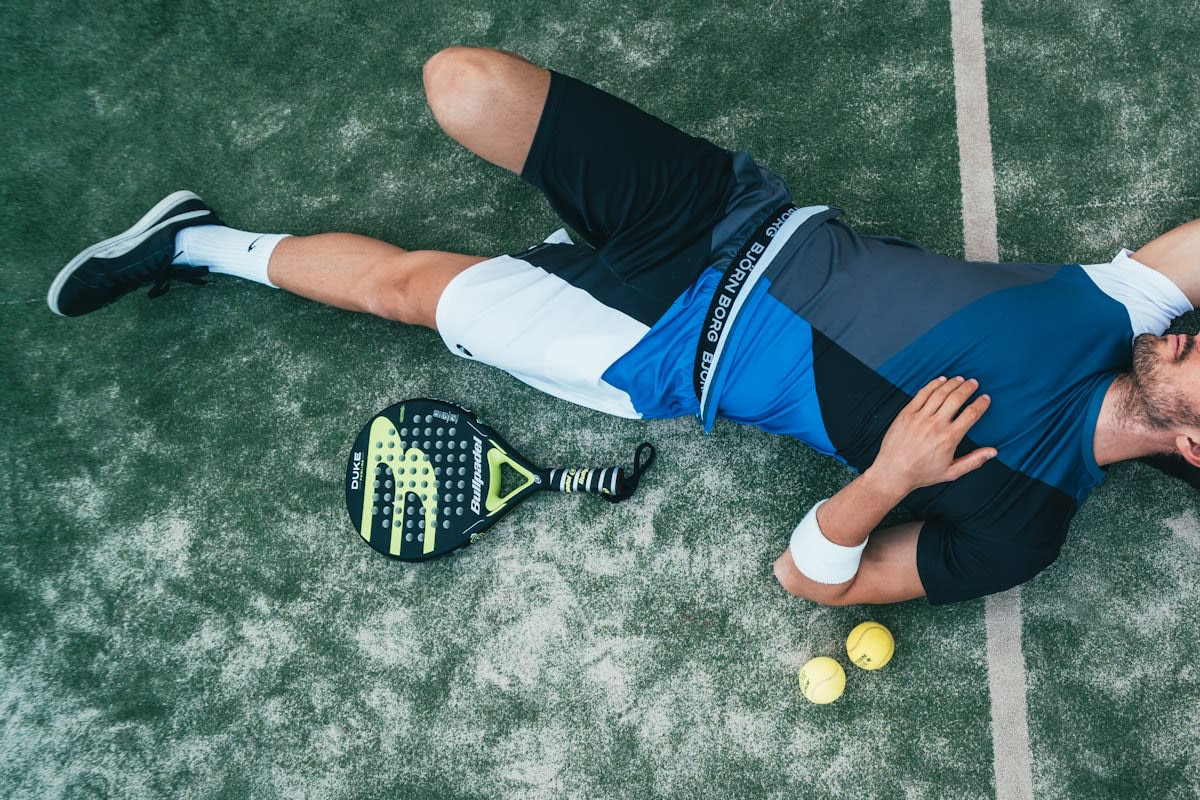
The Infrastructure of Longevity
The secret does not lie in training harder, but in recovering deeper. The modern elite athlete treats recovery with the same intensity as their actual competition. We are seeing the widespread adoption of hyperbaric oxygen therapy, cryotherapy, and precision nutrient timing that targets cellular inflammation in real-time. In the past, a veteran athlete would wake up with systemic soreness and simply push through it, accelerating the wear and tear on their joints. Now, biometric wearables track heart rate variability (HRV) and sleep architecture to the second, allowing coaches to adjust training loads before an injury even manifests.
- Precision Biometrics: Real-time monitoring of cortisol levels and glycogen depletion to prevent overtraining.
- Advanced Regenerative Medicine: The use of PRP and stem cell therapies to maintain joint integrity over decades.
- Circadian Optimization: Tailoring sleep environments and light exposure to maximize growth hormone production.
- Cognitive Load Management: Reducing mental fatigue to prevent the physical lapses that lead to late-career injuries.
This shift is globally pervasive. In European football, the 'veteran' is no longer a bench-warmer but a tactical anchor, with clubs investing millions in personalized longevity programs. In the United States, NBA stars are utilizing private recovery teams that operate like mobile clinics, ensuring that the biological cost of an 82-game season is mitigated. Even in high-impact sports like tennis, the dominance of athletes over 35 suggests a fundamental change in how we approach the kinetic chain and load distribution. The goal is no longer to reach a peak and hold it; it is to create a plateau of excellence that lasts twenty years instead of ten.
"We are no longer fighting the clock; we are rewriting the rules of how the clock functions. The biological ceiling is moving upward because we have finally learned how to treat the athlete as a complex biological system rather than a machine that simply wears out."— Dr. Elena Rossi, High-Performance Physiologist
Can we credit this solely to technology? Hardly. There is a psychological evolution at play. The modern veteran athlete possesses a level of 'game IQ' and emotional regulation that the twenty-year-old lacks. They have learned to conserve energy, identifying exactly when to exert maximum effort and when to glide. This strategic efficiency reduces the total physiological load on the body over a season. When combined with a scientific approach to nutrition—moving away from generic diets toward DNA-based personalized fueling—the result is a body that can sustain elite output well into the fourth decade of life.
The Economic Imperative
The 'Longevity Market' in professional sports is estimated to be growing at a CAGR of over 12%, as teams realize that keeping a superstar in their prime for three extra years is more cost-effective than scouting and developing a replacement.
The New Performance Curve
If we compare the performance curves of the 1990s to the 2020s, the difference is stark. The old curve was a bell: a steep climb, a brief peak, and a sharp drop. The new curve is an extended plateau. We are seeing a 15-20% increase in the duration of 'prime' years across multiple high-intensity sports. This isn't just about playing longer; it's about playing at an elite level. The gap in speed, strength, and agility between a 25-year-old and a 38-year-old has narrowed significantly, provided the older athlete has access to the current recovery ecosystem.
| Metric | Traditional Peak (1990-2010) | Modern Peak (2020-Present) |
|---|---|---|
| Prime Window | 23 - 29 years | 25 - 38+ years |
| Recovery Approach | Passive (Ice, Sleep) | Active (Biometrics, Tech) |
| Training Focus | Volume & Intensity | Precision & Load Management |
| Career Longevity | Average 10-12 years | Average 15-20 years |
This evolution creates a fascinating tension in professional leagues. Younger athletes are now entering the league facing veterans who are physically fresher and mentally sharper than ever before. The 'changing of the guard' is happening much slower. This stability at the top of the sport provides a higher quality of competition and a more consistent product for global audiences. It also changes the financial landscape, as athletes can command massive contracts well into their late thirties, knowing their biological viability is no longer a gamble.
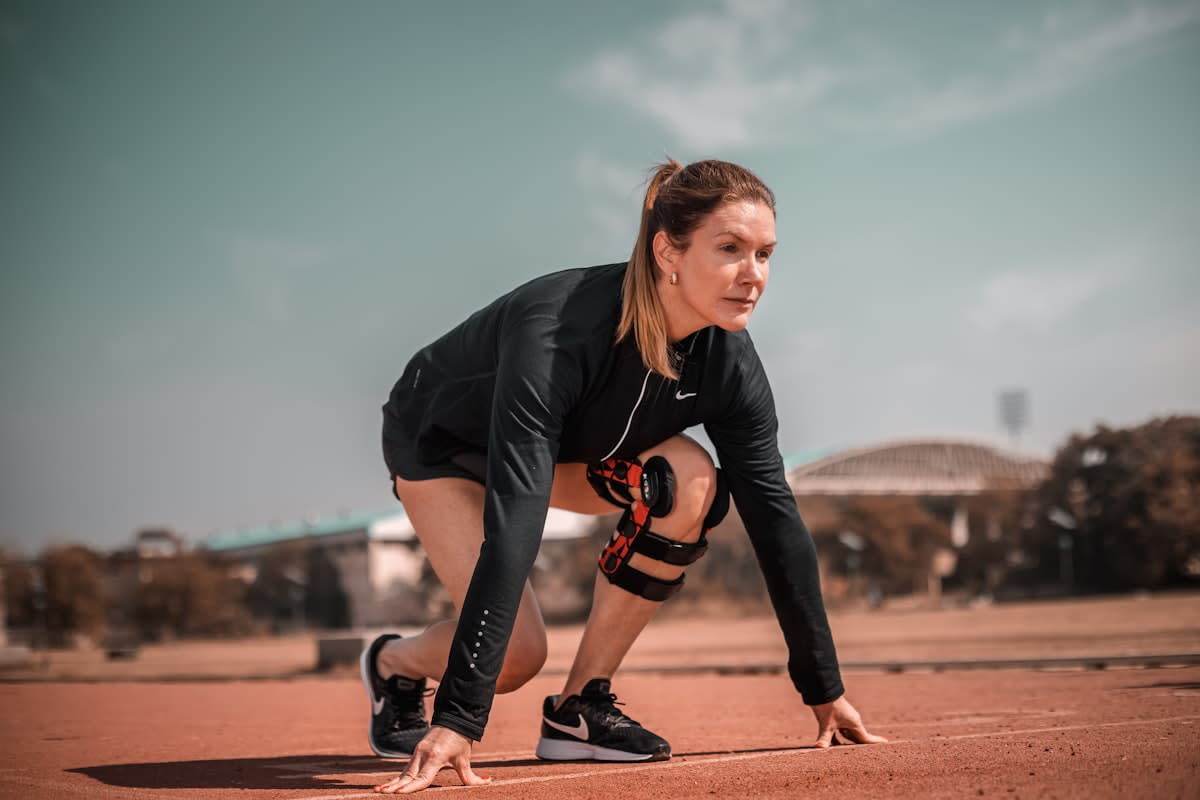
But what does this mean for the future of human biology? We are essentially conducting a global, real-time experiment on human longevity. The techniques being perfected in the NBA, the Premier League, and the ATP Tour will inevitably trickle down to the general population. The 'bio-hacking' trends we see in Silicon Valley are often just diluted versions of the protocols used by 40-year-old elite athletes. When we solve the problem of athletic decay, we are effectively solving the problem of general physical decline.
Increase in Top-10 Ranked Athletes Aged 35+
Executive Insight
+18.4%
YTD Growth
The risks, however, are not zero. There is a danger of 'over-optimization,' where athletes become so reliant on data that they lose the intuitive connection to their own bodies. There is also the question of the 'crash.' When a body is kept at an artificial peak through extreme intervention, does the eventual decline happen more rapidly? While we don't have the long-term data yet, the current trend suggests that the 'soft landing' provided by gradual load management is far superior to the abrupt retirement of the past.
Ultimately, the era of the 40-year-old elite athlete is a testament to human resilience and our refusal to accept biological limits as fixed. We have transitioned from a period of acceptance to a period of optimization. The biological peak is no longer a destination we hit in our twenties; it is a state of being that we can maintain through science, discipline, and a fundamental shift in how we perceive age. The expiration date has been deleted.