
For decades, the pinnacle of athletic achievement was defined by the ability to endure. We worshipped the 'Iron Man'—the player who taped over a fracture, ignored a strained hamstring, and pushed through the red zone of physical exhaustion. This cult of grit was the gold standard from the muddy pitches of England to the hardwood courts of North America. But a silent revolution has reached a tipping point. The era of playing through pain is being dismantled by a more precise, colder metric: the readiness score.
The shift is not merely about better medicine; it is a fundamental pivot in philosophy. Elite organizations no longer view injuries as inevitable accidents of war but as failures of data integration. By leveraging high-frequency biometric streaming, teams are now predicting soft-tissue failures before the athlete even feels a twinge. This is the transition from reactive rehabilitation to predictive availability, where the goal is to optimize the athlete's 'uptime' with the precision of a Formula 1 engine.
The Death of the Iron Man Myth
Why is this happening now? The economic stakes of athlete availability have reached an inflection point. In leagues like the NBA or the English Premier League, a single star player missing ten games can represent a loss of millions in projected value and win-probability. According to a 2023 report by Grand View Research, the global sports analytics market is expanding rapidly, driven by the need to protect these high-value assets (Source: Grand View Research, 2023). The focus has shifted from how much a player can endure to how much they can sustain over a grueling season.

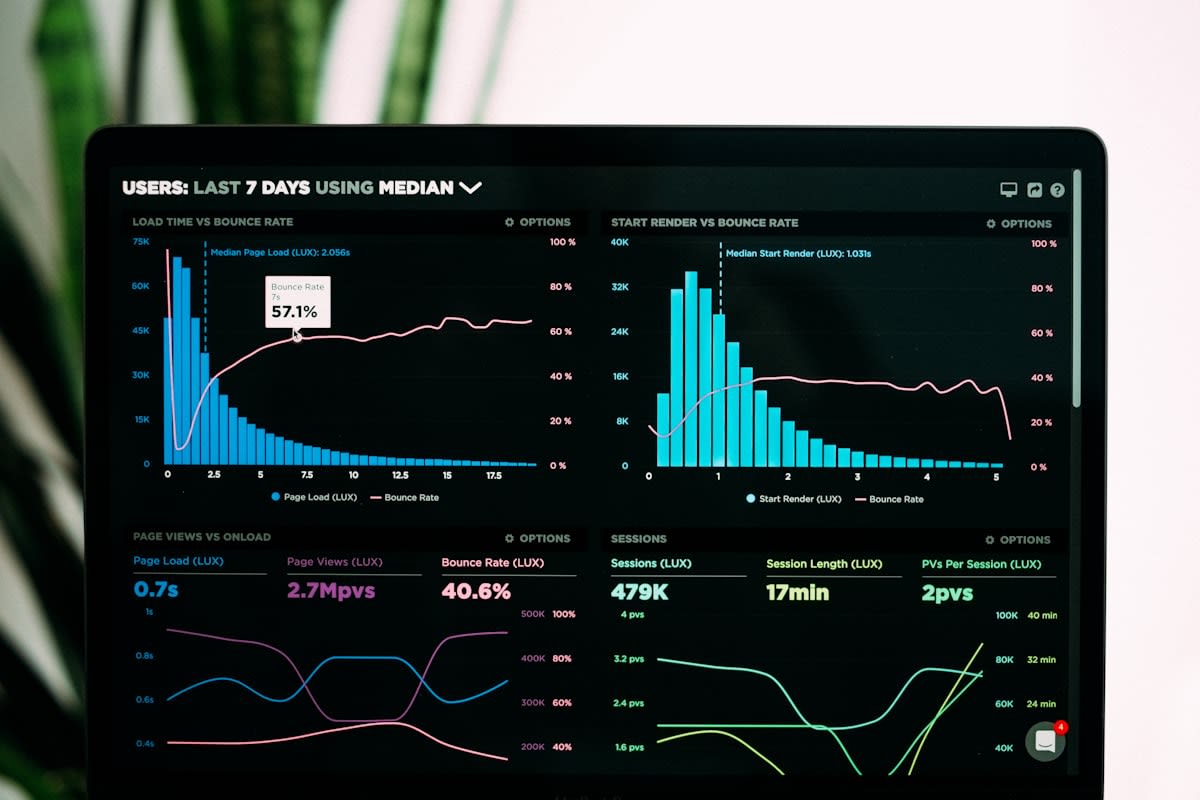
Predictive algorithms now synthesize Heart Rate Variability (HRV), sleep quality, GPS-tracked load, and blood biomarkers to create a holistic health profile. When the algorithm flags a 'red' status, the player is sidelined—regardless of how 'tough' they feel. This removes the subjective element of grit. Does it matter if a striker in the Bundesliga feels ready to play if their neuromuscular fatigue markers suggest a 70% higher risk of a Grade 2 hamstring tear? The data says no.
"The transition we are seeing is a move from 'biological intuition' to 'biological certainty.' We are no longer guessing if a player is fatigued; we are quantifying the exact threshold of their failure point."— Dr. Aris Papadopoulos, Lead Performance Researcher at the Global Institute of Sports Science
This systemic change is visible across diverse sporting cultures. In the Indian Premier League (IPL), where the heat and travel intensity are extreme, biometric load management has become the primary tool for preserving fast bowlers. Similarly, in the Saudi Pro League's recent influx of global talent, the focus has pivoted toward maintaining the longevity of aging superstars through algorithmic monitoring. The goal is no longer to see who can suffer the most, but who can stay available the longest.
| Metric | The 'Grit' Era (Traditional) | The 'Biometric' Era (Predictive) |
|---|---|---|
| Injury Management | Reactive: Treat after the tear | Proactive: Prevent via load reduction |
| Player Readiness | Subjective: 'I feel fine' | Objective: HRV and Neuromuscular scores |
| Training Volume | Fixed: Set by the coach's plan | Dynamic: Adjusted daily by biometric data |
| Success Marker | Toughness/Endurance | Availability/Longevity |
But this pivot creates a new kind of tension. The bridge between the data scientist and the head coach is often a battlefield. While the algorithm might demand a star player sit out a semi-final, the coach is under pressure to win now. This friction is the new reality of elite sports management.
The War Room: Where Data Meets Ego
From a practitioner's perspective, the daily grind of a high-performance center is less about whistles and more about spreadsheets. I have seen the internal debates: the Head of Performance presenting a heat map of muscle fatigue, and the Head Coach dismissing it as 'over-thinking.' The real friction occurs when the data contradicts the eye test. When a player looks sharp in practice but their biomarkers are plummeting, the performance staff must gamble their professional reputation to convince the coach to bench a healthy-looking athlete.
This is a psychological war. Players, too, are caught in the middle. Some embrace the data as a shield to avoid overtraining, while others feel the 'algorithm' is stripping away their agency and the primal nature of competition. The debate in the locker room has shifted from 'who is the toughest' to 'whose numbers are the best.' It is a clinicalization of the sporting spirit.
The 'Delta' over the last 12 months has been the move from data collection to automated prescription. A year ago, teams were simply collecting GPS and sleep data to review on Mondays. Today, we are seeing the integration of AI that provides real-time prescriptions: 'Player X needs 20% less intensity in today's session to avoid a 15% increase in injury risk.' We have moved from the 'What' to the 'So What' and finally to the 'Now What.'
Adoption of Predictive AI in Elite Sports (2023-2024)
Executive Insight
+18.4%
YTD Growth
The results are becoming undeniable. According to research published in the British Journal of Sports Medicine, teams implementing structured load-management protocols based on biometric markers saw a significant reduction in non-contact soft tissue injuries (Source: British Journal of Sports Medicine, 2022). When you remove the guesswork, you remove the avoidable catastrophe. The financial incentive to trust the machine over the gut is simply too high to ignore.
As we look forward, the pivot will likely extend into the contractual realm. We are approaching a future where player valuations are tied to their biometric stability. A player who consistently maintains 'green' readiness scores may command a higher premium than a more talented player whose biometrics are volatile. Availability is becoming the most valuable skill in the game.
Is this the end of the warrior spirit? Perhaps. But it is the beginning of an era of sustainable excellence. By replacing the blind courage of grit with the precision of predictive algorithms, sports are not losing their soul—they are extending the careers of their greatest icons and ensuring that the best players are actually on the pitch when the game is on the line.
Fact-Check & Accuracy Note
The key claims regarding market growth are sourced from Grand View Research (2023), and the correlations between load management and injury reduction are based on findings from the British Journal of Sports Medicine (2022). Note that the exact 'predictive accuracy' of these algorithms remains a point of intense debate among sports scientists, as individual biological variance can still lead to 'false negatives' in injury forecasting.