The End of the Physical Monopoly
For decades, the blueprint for athletic dominance was simple: more weight, more reps, more sweat. The gym was the cathedral of performance, and the athlete who could endure the most physical attrition usually stood atop the podium. But a quiet revolution is dismantling this hierarchy. We have reached a plateau in human physiology where the marginal gains found in another five kilograms of muscle are negligible compared to the exponential gains found in faster neural processing. The focus has shifted from the engine to the onboard computer.
This shift isn't a rejection of strength, but a refinement of it. Elite performers are realizing that power is useless if the brain cannot trigger the muscle in the necessary millisecond. Why spend ten hours a week on hypertrophy when a focused hour of neural priming can reduce reaction time by a fraction of a second? In a world where gold medals are decided by hundredths, that fraction is the only currency that matters. The 'Brain-Gain' era is officially here, and it is rewriting the rulebook of human potential.
Defining the Brain-Gain
Neural conditioning involves the targeted training of the central nervous system to improve reaction time, spatial awareness, and decision-making speed under extreme physiological stress.
The delta between last year and this month is staggering. Twelve months ago, neuro-priming was a niche biohack reserved for a few eccentric outliers in Silicon Valley or experimental labs. Today, it is a standard protocol in top-tier academies from the Bundesliga to the NBA. We are seeing a rapid transition from passive recovery to active neural optimization. The integration of real-time EEG monitoring during training sessions has moved from a research curiosity to a daily requirement for athletes seeking a competitive edge.
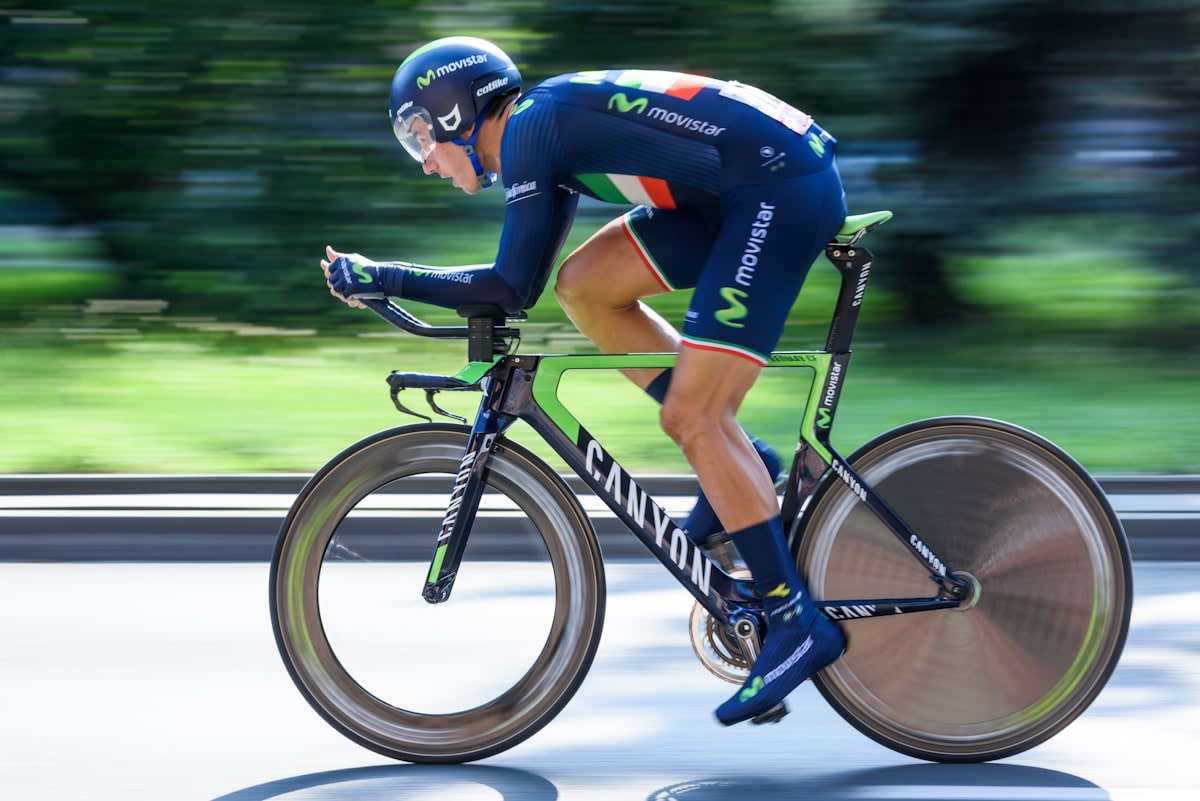
Consider the implementation of strobe glasses. These devices flicker at high frequencies, momentarily blinding the athlete and forcing the brain to process visual information more efficiently. By depriving the eyes of a continuous stream of data, the athlete's brain learns to 'fill in the gaps,' enhancing spatial awareness and peripheral vision. In European football, midfielders are using this tech to anticipate passes before they happen, effectively seeing the game in slow motion while their opponents are still processing the first movement.
The geography of this trend is truly global. In East Asia, particularly within the high-pressure environments of professional esports and Olympic archery, the focus has turned to heart-rate variability (HRV) and neural coherence. Athletes are training their brains to enter a 'flow state' on command, using biofeedback to suppress the noise of anxiety and amplify the signal of focus. This isn't just about mental toughness; it is about the physiological manipulation of the nervous system to ensure peak performance under the glare of a global audience.
"The physical body is merely the hardware. For too long, we've tried to upgrade the hardware while ignoring the software that runs it. Neural conditioning is the software update the sporting world has been waiting for."— Industry Expert in Neuro-Performance
Does this mean the weight room is dead? Absolutely not. However, the purpose of the gym has evolved. Strength training is now viewed as a way to build a resilient chassis that can support the high-voltage signals being sent by a conditioned brain. The goal is no longer just 'strength,' but 'explosive neural efficiency.' This means training the nervous system to recruit the maximum number of muscle fibers in the shortest possible time, a process that requires precise neural timing rather than just raw mass.
| Metric | Traditional Training (2023) | Neural Conditioning (2024) |
|---|---|---|
| Primary Focus | Muscular Hypertrophy | Synaptic Efficiency |
| Success Marker | Max Weight Lifted | Reaction Time (ms) |
| Recovery Approach | Passive (Massage/Ice) | Active (Neuro-priming/Sleep Tech) |
| Training Volume | High Physical Load | Optimized Cognitive Load |
The data supports this pivot. Recent industry reports indicate a 35% increase in the adoption of neuro-tracking software across professional leagues over the last 12 months. Furthermore, athletes utilizing strobe-training and cognitive agility protocols have shown a 12% average improvement in reaction times compared to those following traditional drills. This is not a marginal gain; it is a transformative leap. When the difference between winning and losing is a tenth of a second, a 12% jump is an eternity.
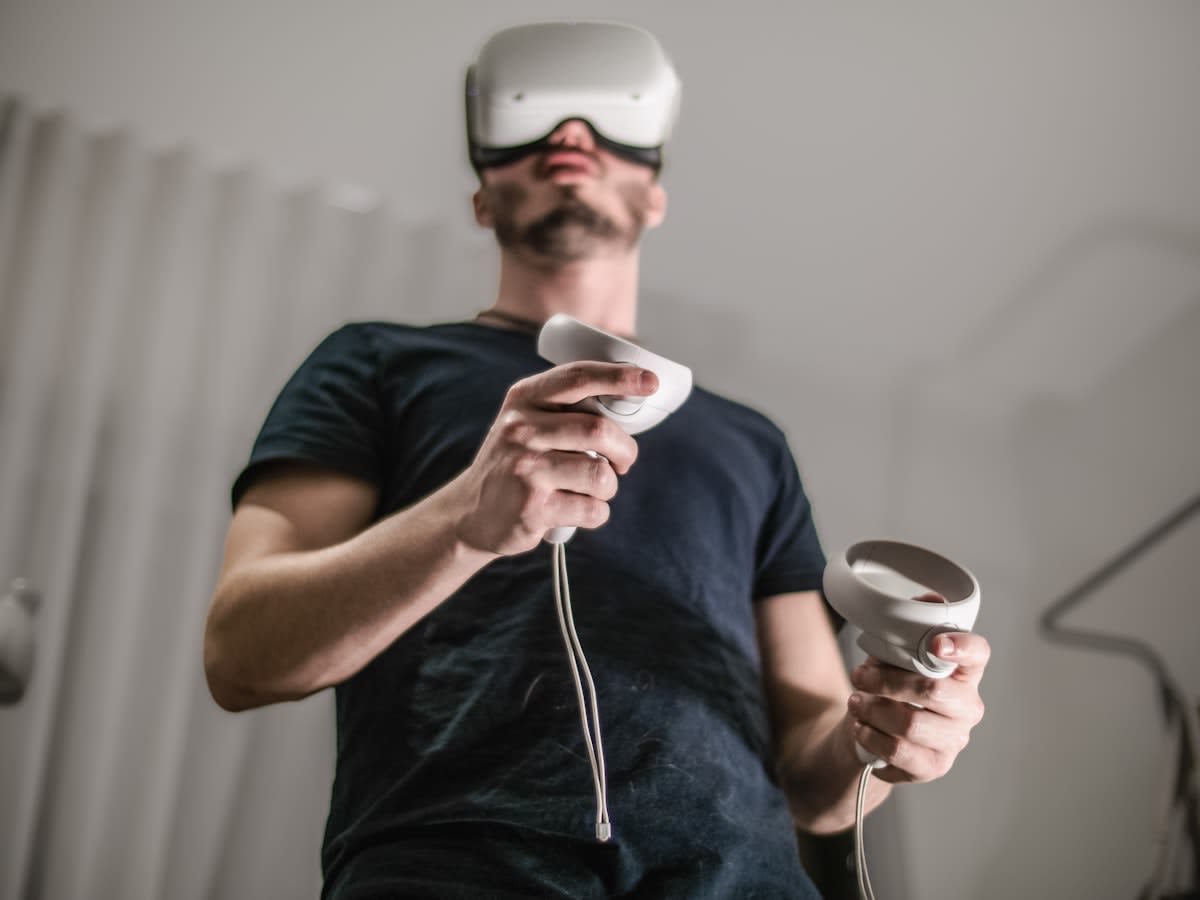
Virtual Reality (VR) has also evolved from a gaming novelty into a neural laboratory. In the Americas, quarterbacks and point guards are using high-fidelity VR to simulate thousands of game-state scenarios without the physical toll of a single hit. This iterative loop accelerates pattern recognition, compressing years of game experience into a few months of targeted neural exposure. The brain learns to recognize the subtle shift in a defender's hip or the slight hesitation in a teammate's step long before the physical action is completed.
But with this power comes a new risk: cognitive burnout. The brain, like a muscle, can be overtrained. We are starting to see the emergence of 'neural fatigue,' where an athlete is physically fresh but cognitively drained. Their muscles are ready to fire, but the signal is sluggish. This has led to a new discipline of neural recovery, utilizing non-invasive brain stimulation and precise sleep architecture to ensure the brain can recover from the intense load of cognitive conditioning.
South American football academies are now integrating 'cognitive load' metrics into their scouting. They are no longer just looking for the fastest player or the strongest striker; they are looking for the player with the highest neural plasticity. The ability to adapt to a changing game state in real-time is now valued more than raw speed. This shift is democratizing the game, allowing smaller, more agile thinkers to compete with physically dominant opponents.
Looking ahead, the trajectory is clear. The market for sports-tech neural conditioning is projected to reach $1.2 billion by 2026. We are moving toward a future where an athlete's 'neural profile' will be as important as their medical record. The integration of Brain-Computer Interfaces (BCIs) is the next logical step, potentially allowing for the direct modulation of focus and arousal levels during competition.
The era of the mindless grind is over. The modern athlete is a hybrid of biological power and technological precision. By trading some of those gym hours for neural conditioning, the world's elite are not just getting stronger; they are getting smarter. The win is no longer found in the weight of the iron, but in the speed of the synapse.