
The New Metric of Mastery
The sporting world is currently obsessed with a ghost. For decades, the gold standard of recovery was physical: ice baths, compression boots, and sleep tracking. But as we analyze the fallout of the 2026 World Cup and the mid-season grind of Major League Baseball, a new variable has emerged. It is not the lactic acid in the quads or the inflammation in the shoulder that is deciding championships, but the cognitive ceiling. We are seeing a fundamental shift where the ability to manage neural load is becoming more valuable than raw physical capacity.
Look no further than the 2026 World Cup Golden Ball. In a tournament defined by the explosive brilliance of Kylian Mbappe and the enduring legacy of Lionel Messi, the honor went to Spain's Rodri. On paper, Messi's statistics might have suggested a different outcome, but the award recognized something deeper. Rodri did not just run; he shepherded the load. His victory was a triumph of cognitive endurance, showcasing the guile to distribute the ball and the mental acuity to mop up stray passes under extreme pressure. This is the essence of the cognitive ceiling: the capacity to maintain high-level decision-making while the body is screaming for oxygen.
"Rodri was immense, shepherding the load as a ball distributor while showcasing the guile to win the ball back from some of the world's most devastating attackers."— Sporting News Analysis, July 2026
Why does this matter now? Because the delta between the top 1% of athletes has shrunk to nearly zero in terms of physical conditioning. When everyone is peak-fit, the failure point moves. It moves from the muscle to the mind. We are witnessing the birth of a new era where athletes are no longer asking if their legs are fresh, but if their brains are fatigued. When the cognitive ceiling is hit, reaction times slip by milliseconds, and the guile that Rodri displayed vanishes, leaving only raw, inefficient effort.
From Mechanical Failure to Predictive Maintenance
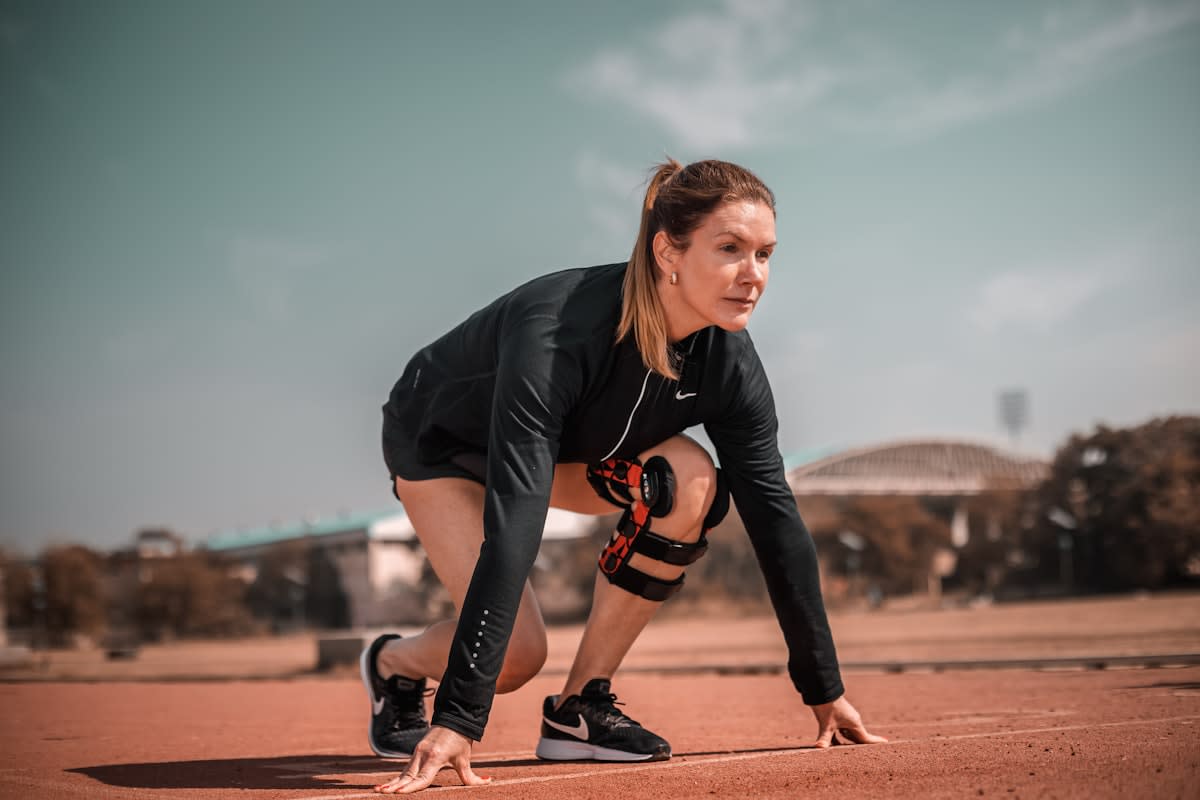
To understand the shift, contrast Rodri's cognitive dominance with the traditional struggles seen in the MLB this month. Jacob Misiorowski, the Milwaukee Brewers' flamethrower, recently missed a critical start and the All-Star Game due to a tired pitching arm. For years, this was the only narrative: the arm is tired, so the arm must rest. Misiorowski's return on July 21 against the New York Mets follows a standard recovery arc. However, the industry is realizing that arm fatigue is often a downstream effect of systemic neural fatigue. The brain stops firing the muscles with precision, leading to mechanical inefficiency and, eventually, injury.
This realization is mirroring a massive shift in industrial technology. The World Integrated Condition Monitoring System (ICMS) market is poised for substantial expansion between 2026 and 2035. While primarily designed for industrial and healthcare environments, the logic of ICMS—predictive maintenance using wireless sensors for non-invasive monitoring—is bleeding into elite sports. We are moving away from reactive recovery (treating the tired arm) toward predictive maintenance (detecting the neural dip before the arm fails).
| Metric | Traditional Recovery (2024-2025) | Cognitive Recovery (2026+) |
|---|---|---|
| Primary Focus | Muscle inflammation & soreness | Neural load & decision fatigue |
| Monitoring Tool | Heart Rate Variability (HRV) | Integrated Condition Monitoring (ICMS) |
| Failure Signal | Physical pain/Tear | Loss of guile/Tactical errors |
| Intervention | Rest and Ice | Predictive load adjustment |
The adoption of these wireless, non-invasive sensors allows coaches to see the invisible. Instead of waiting for an athlete like Misiorowski to report arm fatigue, teams can now monitor the integrated systems of the body. If the neural output drops, the workload is limited regardless of how the athlete feels. This is not about fragility; it is about optimization. By avoiding the cognitive ceiling, athletes can maintain their peak for longer stretches of the season, turning potential injuries into managed rests.
The Systemic Nature of Fatigue
The scientific community is providing the roadmap for this transition. A recent global clinical trial co-led by McMaster University has highlighted the complex nature of systemic fatigue. In a study of 399 adults struggling with long COVID fatigue, researchers found that fluvoxamine—a low-cost antidepressant—significantly reduced fatigue and improved quality of life. This discovery is critical because it proves that crushing fatigue is not always a result of physical exertion or muscle waste, but can be a systemic, chemical, and neurological condition.
When we apply the McMaster findings to the sporting world, the implications are staggering. If fatigue can be managed through neurological and chemical intervention rather than just physical rest, the entire concept of the off-season changes. We are beginning to view the athlete not as a machine with parts that wear out, but as a biological system where the brain acts as the primary governor of performance. The focus is shifting toward maintaining the health of the nervous system to prevent the systemic crashes that mimic traditional burnout.
The 2026 Delta
Six months ago, a tired arm meant a trip to the trainer's table. Today, it means a data review of the athlete's integrated condition monitoring system to see if the brain stopped communicating with the muscle long before the pain started.
This evolution is creating a new class of athlete. We are moving away from the era of the specialist who can do one thing perfectly but burns out quickly, toward the era of the systemic operator. Rodri is the prototype. His ability to maintain a steady outlet for distribution while mopping up deflections requires a level of cognitive resilience that defies traditional athletic training. He is not just the most fit player on the pitch; he is the most neurologically efficient.
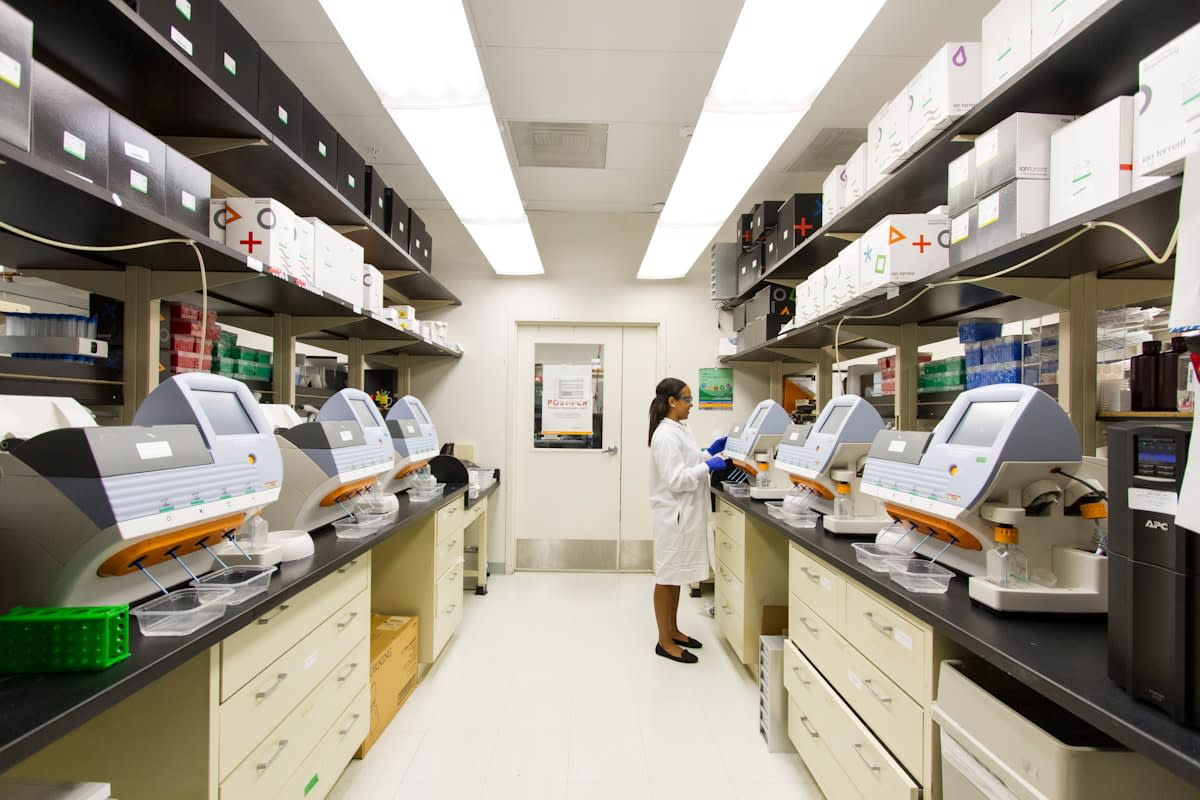
As we look toward 2035, the integration of ICMS with laboratory information systems will likely make this level of monitoring standard even at the youth level. The goal is no longer to push an athlete until they break, but to keep them exactly one millimeter below their cognitive ceiling. This is where the magic happens—where the body is pushed to its limit, but the mind remains clear enough to execute the winning play.
Redefining the All-Star Athlete
The transition is not without its challenges. It requires a cultural shift among athletes who pride themselves on playing through the pain. But the data is undeniable. Whether it is the predictive maintenance trends in the ICMS market or the neurological breakthroughs at McMaster University, the evidence points to a single conclusion: the brain is the bottleneck. Those who can monitor and manage their neural fatigue will dominate the next decade of global sport.
We are seeing the end of the brute-force era. The athletes of tomorrow will be defined by their ability to adapt, their resilience in the face of systemic fatigue, and their willingness to trust the data over their own perceived toughness. The cognitive ceiling is the new frontier, and the race to conquer it has already begun.