
We are told that recovery is the holy grail. The modern athletic narrative treats sleep and nutrition as a sterile science, a way to erase the debt of training. But is this obsession with freshness actually a leak in performance? For decades, the industry assumed that minimizing fatigue was the only path to victory. Now, a different question emerges. What happens when fatigue is not the enemy, but the primary driver of adaptation?
The delta between the 'recovery-first' era and today's reality is visible in the way we view biological burden. It is no longer just about muscle soreness. We are seeing a collision between cognitive decay and physical output. In high-stakes environments, the ability to function under extreme fatigue creates a distinct asymmetry. Those who can maintain decision-making quality while their nervous system is screaming in failure possess a tool that no amount of luxury recovery can simulate.
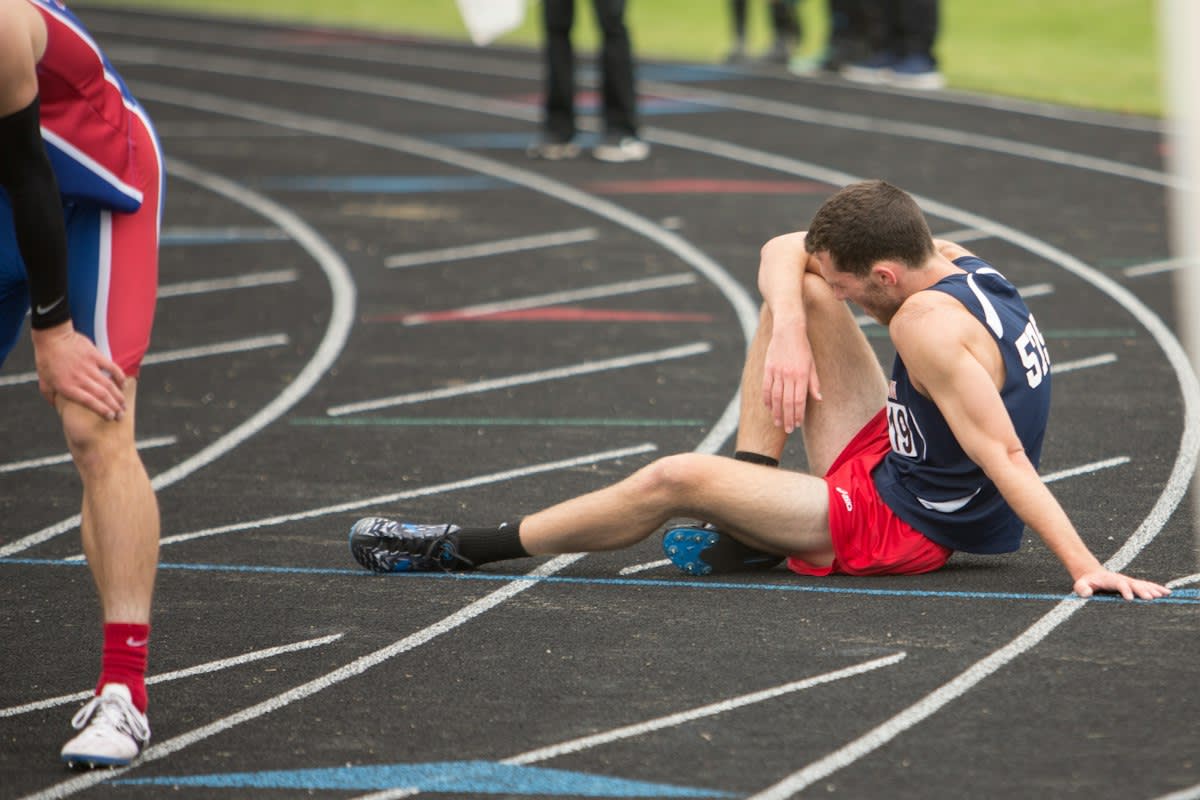
The Cognitive Lag: Decision-Making Under Pressure
Fatigue is not a monolithic state. It is a web of interconnected failures. When sleep is siphoned away, the brain does not just slow down; it changes how it processes risk. A 2024 experimental study revealed that sleep deprivation—a primary physical condition of extreme fatigue—directly increased negative emotions and decreased vigilant attention (Source: Frontiers in Psychiatry, 2024). This is the hidden terrain of professional sports. The athlete who cannot utilize negative feedback in risky decision-making because of fatigue is a liability.
Why does this matter in a match? Because the game is won in the final ten minutes. When the body hits a state of mechanical failure, the mind must override the default impulse to quit. The research shows that sleep deprivation impairs the use of negative feedback in risky decision-making (Source: Frontiers in Psychiatry, 2024). If an athlete has never trained in this state of cognitive lag, they are effectively blind when the game reaches its most volatile phase.
"Sleep deprivation alters utilization of negative feedback in risky decision-making."— Wenjing Xu et al., Study published in Frontiers in Psychiatry (2024)
This creates a dangerous inertia. Teams that over-protect their athletes from fatigue may be inadvertently creating a fragility in their decision-making processes. The goal is not to be rested; the goal is to be functional while exhausted.
The Biological Burden in Para Athletics
The cost of this pursuit is highest where the margins are thinnest. In the world of elite Para athletes, the burden of health is a constant tether to performance. A comprehensive national data set from Norway indicates that illnesses represent the greatest health burden for these athletes (Source: BJSM, 2024). Respiratory tract infections and gastrointestinal problems are the primary culprits. This is not a random occurrence. It is a direct result of the collision between extreme training loads and biological vulnerability.
The data reveals a specific asymmetry: health problems are closely related to the athlete's impairment, their sex, and the competitive season (Source: BJSM, 2024). For athletes with neurological impairments, gastrointestinal problems pose a particularly high burden. This suggests that the 'fatigue tool' is not a one-size-fits-all instrument. For some, the line between a productive training stimulus and a total health collapse is razor-thin.
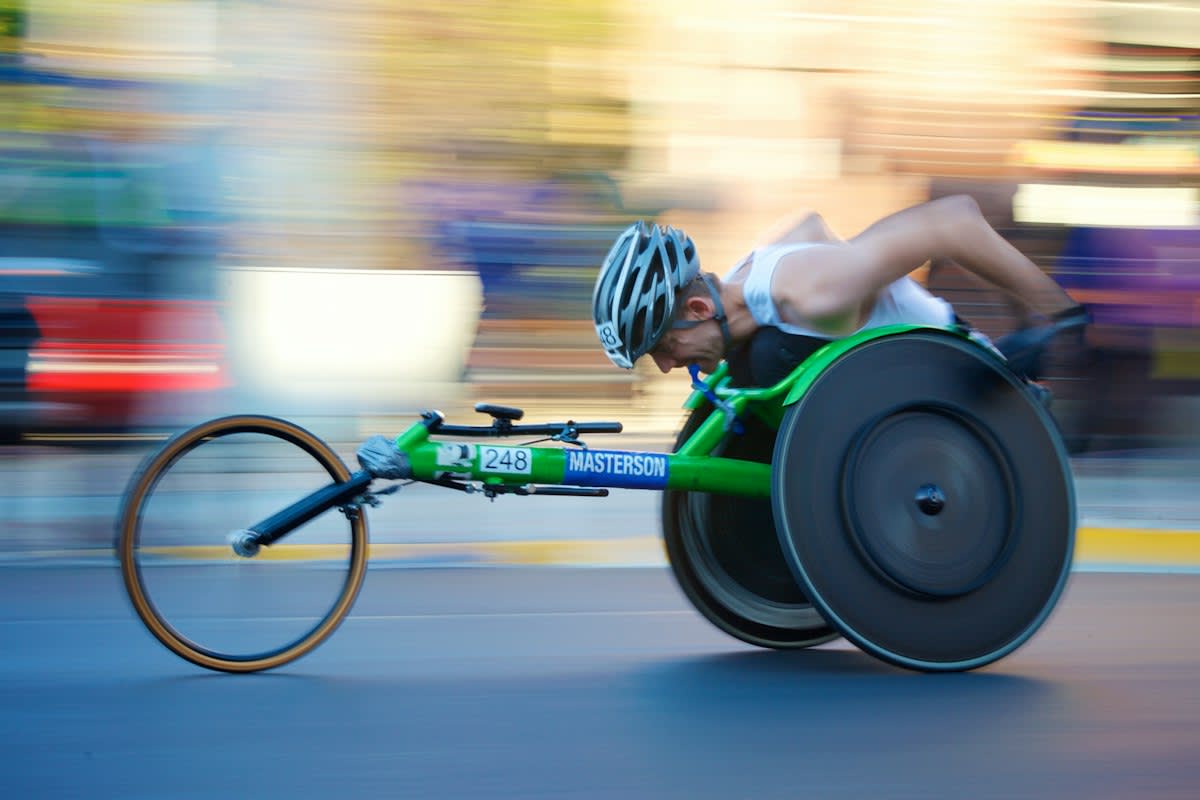
Is this a crisis? No. It is an adaptation challenge. The research notes that elite endurance athletes experience similar infection rates regardless of their competition season (Source: BJSM, 2024). The burden is a constant. The victory goes to those who can manage the leak of energy and health without letting it trigger a full system shutdown.
The Adaptation Debate: Form vs. Function
There is a lingering dispute in the gym: does training need to look like the sport to work? Many coaches insist on 'functional' movements to avoid wasting energy. However, new data suggests this is a distraction. A study of 33 Norwegian U19 footballers compared functional training (multiplanar free-weights) with traditional training (bilateral machine-based exercises) (Source: Lassen et al., 2026). The result? Both groups saw comparable improvements in the Loughborough Soccer Shooting Test.
This is a critical insight. It means the specific 'look' of the exercise is secondary to the adaptation being developed. Traditional strength training actually increased body mass more than the control group (Source: Lassen et al., 2026). This suggests that the mechanical stress—the fatigue generated by the weight—is the actual driver, not the movement pattern itself.
If the goal is to build a body that can withstand the attrition of a season, the priority should be the adaptation, not the aesthetics of the exercise. This simplifies the playbook. It allows athletes to generate the necessary fatigue in the most efficient way possible, leaving more room for the specific cognitive demands of the game.
Inside the locker room, this creates a friction point. You have the 'functionalists' who believe in movement specificity and the 'traditionalists' who believe in raw load. The invisible dispute is over how to allocate an athlete's limited energy budget. Do you spend it on movements that mimic the game, or do you spend it on raw, systemic fatigue that forces the body to grow?
Fact-Check & Accuracy Note
The study by Lassen et al. (2026) used a small sample size of 33 athletes, which limits the ability to generalize these findings across all age groups and professional levels. However, it challenges the prevailing 'specificity' dogma in youth football development.
Synthesizing the Fatigue Strategy
We are seeing a hard turn in how elite performance is engineered. The goal is no longer the absence of fatigue, but the mastery of it. By understanding that sleep deprivation alters risky decision-making (Source: Frontiers in Psychiatry, 2024) and that systemic strength adaptations are agnostic to movement patterns (Source: Lassen et al., 2026), teams can build a more robust athlete.
The risk remains high. The burden of illness in Para athletes proves that there is a ceiling to how much stress the human body can absorb before it breaks (Source: BJSM, 2024). The challenge for the next decade is not finding more ways to recover, but finding the precise amount of fatigue that triggers growth without inducing mechanical failure.
The athletes who survive this transition will be those who view fatigue not as a state to be avoided, but as a terrain to be mapped. The asymmetry of the future belongs to the exhausted who can still think.
Editorial Note
Editorial Note: This report relies on emerging data from 2024-2026. The tension between 'recovery science' and 'stress adaptation' remains a primary point of contention among high-performance directors globally.