The End of the 'Grind' Era
For decades, the professional athletic trajectory was a predictable arc: a steep climb to a peak in the mid-twenties, followed by a gradual, inevitable decline. We accepted the 'aging out' process as a biological certainty. But in September 2026, the narrative has shifted. We are no longer talking about merely extending careers; we are talking about the institutionalization of muscle preservation. The goal is no longer just to survive the season, but to maintain a physiological state of peak performance that persists into an athlete's 50s. This isn't about a few lucky genetic outliers. It is about a systemic overhaul of how elite bodies are maintained.
Why now? The delta between 2025 and 2026 is found in the transition from individual 'biohacking' to evidence-based, institutional longevity. Where athletes once chased the latest unproven gadget or supplement in isolation, the industry is now pivoting toward what the data calls 'proven habits.' A 2026 survey of health experts indicates that these fundamental habits now outweigh the allure of expensive biohacks when it comes to longevity and brain health (Source: US News & World Report, 2026). We are seeing a professionalization of aging.
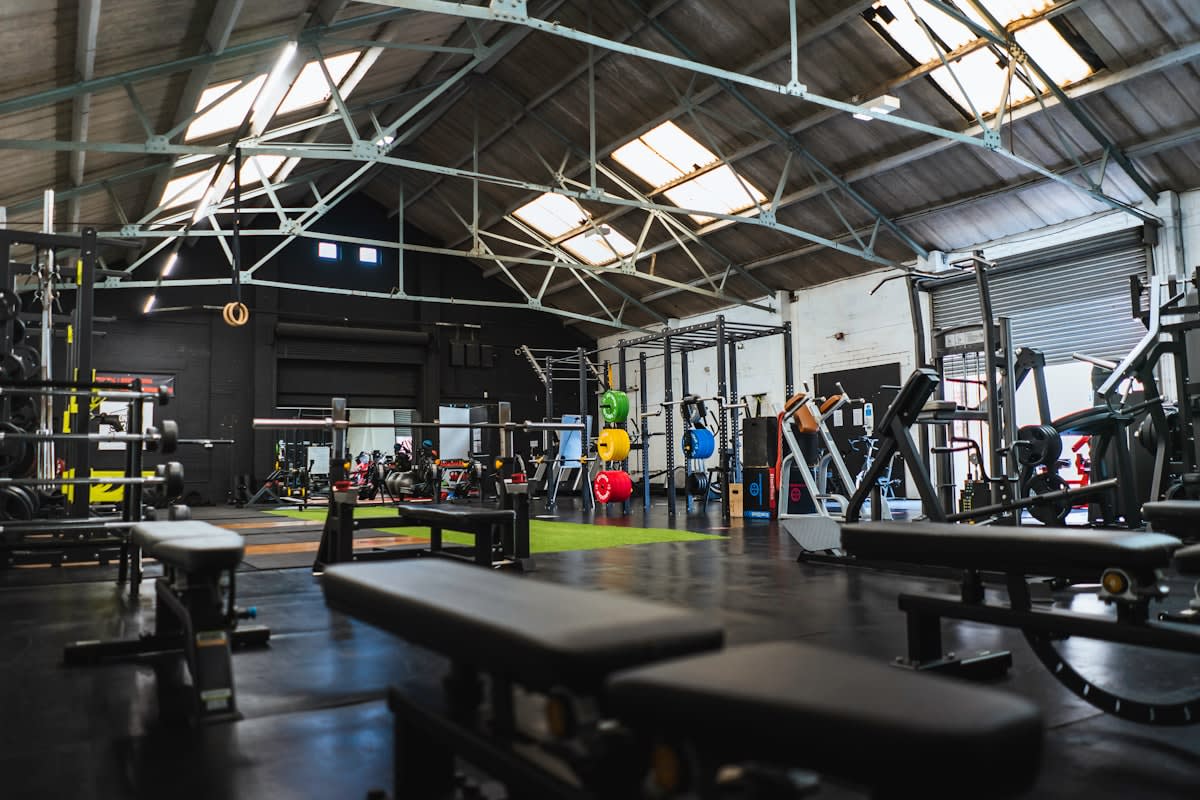
This shift is most evident in how teams are structuring their environments. Take the Cleveland Cavaliers' decision to hold their training camp overseas for the 2026-27 season at a facility known as The Embassy (Source: Sports Illustrated, 2026). This isn't a mere change of scenery. The facility was designed with the express intent of providing an environment focused on performance, preparation, recovery, and—crucially—privacy. When you treat an athlete's body as a high-value asset that must last for three decades rather than one, the environment becomes a tool for preservation.
The War on Inflammaging
At the center of this science is the battle against 'inflammaging'—the chronic, low-grade inflammation that accompanies aging and accelerates muscle loss. This is the silent killer of the professional career. For years, the approach was reactive: treat the injury after it happens. Now, the strategy is proactive preservation. By targeting the biological drivers of inflammaging, sports scientists are attempting to decouple chronological age from physiological performance (Source: US News & World Report, 2026).
"Training camp is where the foundation for a season is built, and The Embassy provides our players, coaches and staff with an exceptional environment to begin that work."— Organization Statement, Cleveland Cavaliers
Does this mean the 'hard work' is gone? Far from it. The intensity remains, but the recovery is now managed with the same precision as the workout. The integration of the Cleveland Clinic’s expertise in athlete performance and innovation into the Cavaliers' ecosystem demonstrates a move toward a medical-athletic hybrid model (Source: Sports Illustrated, 2026). We are seeing the emergence of the 'Clinic-Camp' model, where the boundaries between a training facility and a longevity center are completely blurred.
From a practitioner's perspective, this creates a fascinating friction in the locker room. I've seen the debates: the old-school coaches who believe in 'pushing through the pain' versus the new-school performance directors who point to inflammaging data and demand a reduction in load. The friction happens when a star player is told to sit out a session not because they are injured, but because their biomarkers suggest they are entering a pro-inflammatory state. It is a clash of philosophies—grit versus geometry.
| Feature | The Biohack Era (Pre-2025) | The Preservation Era (2026+) |
|---|---|---|
| Primary Focus | Short-term performance spikes | Long-term muscle preservation |
| Approach | Fragmented, individual gadgets | Institutionalized, proven habits |
| Key Target | Acute injury recovery | Systemic 'inflammaging' prevention |
| Environment | Standard gym/training center | Private, high-performance ecosystems |
This institutional approach is not limited to one sport or region. While the Cavaliers are utilizing The Embassy, similar philosophies are infiltrating global sports hubs. The trend is a move toward total environment control. When you control the air, the light, the nutrition, and the recovery protocols in a private setting, you reduce the external stressors that contribute to cellular aging. Privacy is no longer just about avoiding the press; it is a clinical requirement for optimal recovery (Source: Sports Illustrated, 2026).
Habits Over Hype
The most surprising revelation of 2026 is the devaluation of the 'biohack.' For years, the narrative was dominated by cryotherapy chambers, red-light panels, and exotic supplements. However, the latest data suggests that these are secondary. The 2026 Healthy Aging Survey emphasizes that five proven habits matter significantly more than these high-tech interventions for maintaining brain health and preventing the degradation of muscle mass (Source: US News & World Report, 2026). The industry is rediscovering that the basics, when executed with professional precision, are the most powerful tools we have.
What does this look like in practice? It looks like a shift in the daily schedule of a professional athlete. Instead of spending three hours on a variety of gadgets, the focus is on the rigorous application of these five core habits. When these habits are institutionalized—meaning the team provides the infrastructure to ensure they are followed—the results are compounded. The 'Forever Athlete' is not born; they are engineered through the relentless application of boring, proven science.
This evolution changes the financial landscape of professional sports. If a player can maintain peak performance into their 50s, the valuation of long-term contracts shifts. We are moving toward a world where the 'prime' of an athlete is no longer a window, but a plateau. The ability to sustain that plateau depends entirely on the athlete's ability to manage their biological age through the prevention of inflammaging and the adherence to high-impact longevity habits (Source: US News & World Report, 2026).
Ultimately, the convergence of specialized facilities like The Embassy and the scientific focus on proven longevity habits is creating a new class of professional. These athletes are not fighting against time; they are managing it. By integrating clinical innovation from institutions like the Cleveland Clinic into the very fabric of their training camps, the sports world is proving that the ceiling for human performance is much higher, and the window for achieving it is much wider, than we ever imagined (Source: Sports Illustrated, 2026).
Fact-Check & Accuracy Note
Key claims regarding the shift from biohacks to proven habits and the concept of 'inflammaging' are sourced from the 2026 Healthy Aging Survey by US News & World Report. Details regarding the Cleveland Cavaliers' training infrastructure and their partnership with the Cleveland Clinic are sourced from Sports Illustrated (September 2026). There remains an ongoing debate in the field regarding the exact weighting of 'proven habits' versus 'biohacks,' as individual genetic responses to longevity protocols vary.