
The Biological Signal
60 milliseconds. Heart Rate Variability (HRV) tracks the beat-to-beat interval variation managed by the autonomic nervous system (Source: Peak Performance Suite, 2024). This metric serves as a window into the body's stress response, distinguishing between a state of fight-or-flight and a state of recovery. When runners utilize the Peak Performance Suite, they combine HRV with biofeedback and neurofeedback to sharpen focus and manage systemic stress (Source: Peak Performance Suite, 2024). The goal is not simply to track a number, but to train the nervous system to return to baseline rapidly after high-intensity exertion. This process requires a disciplined approach to data interpretation to avoid the noise of daily fluctuations.
Prerequisites for HRV Integration
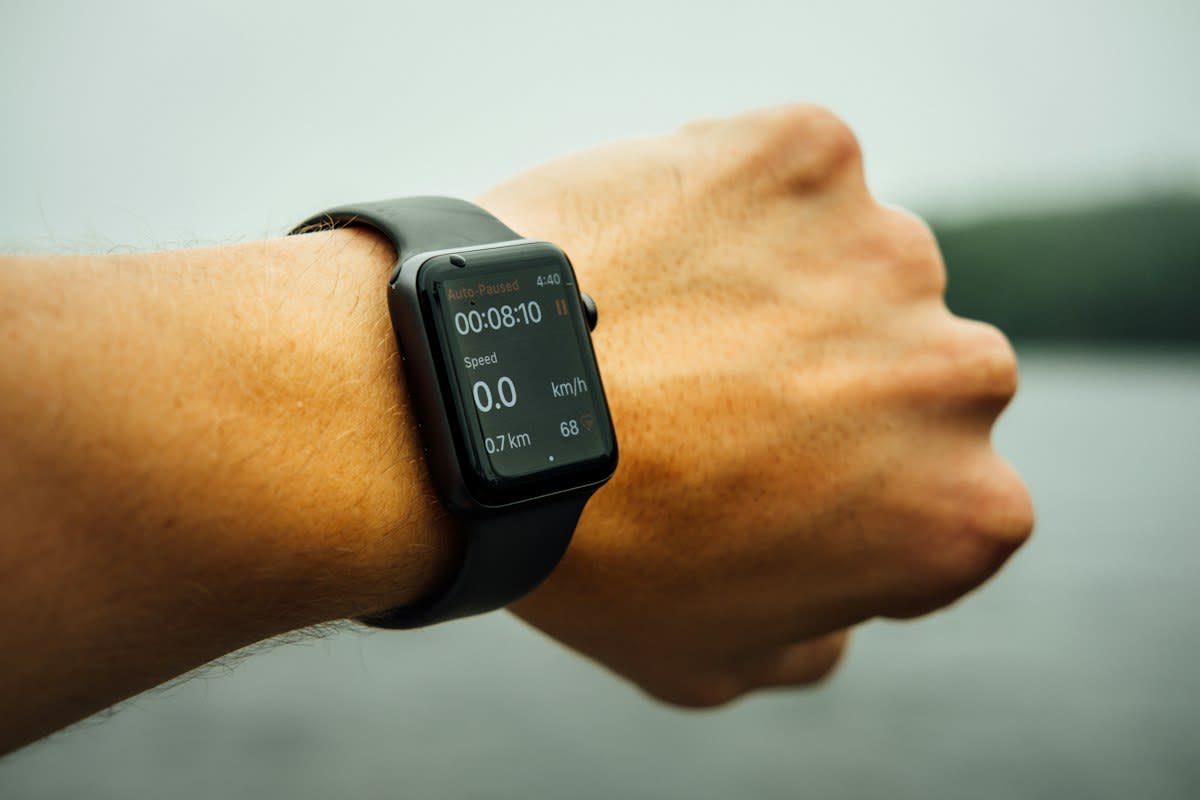
Effective HRV monitoring requires specific hardware and a mindset geared toward long-term trends rather than isolated data points. In high-stakes environments like military training or elite athletics, the gear must be rust-pitted and durable, capable of surviving carbon-scored training grounds. The following tools are the baseline requirements for implementing a tactical HRV program.
- Wearable Hardware: High-fidelity trackers such as Whoop or Oura Ring for continuous monitoring (Source: Yahoo News, 2026).
- Biofeedback Software: Systems capable of integrating neurofeedback to manage stress responses (Source: Peak Performance Suite, 2024).
- Baseline Log: A 14-to-21 day window of raw data to establish an individual's physiological norm.
- Readiness Protocol: A predefined set of training adjustments based on HRV deviations.
The Tactical Implementation Process
Implementing HRV is not a plug-and-play operation. It requires a tiered approach that moves from raw data collection to actionable intelligence. The friction usually occurs when the user becomes obsessed with the neon-burnt glow of the app rather than the physical sensation of readiness. The following steps outline the transition from data collection to performance wins.
- Establish a Physiological Baseline: Wear the device for three weeks without adjusting training to find your natural HRV range.
- Integrate Biofeedback Loops: Use neurofeedback to actively lower stress markers when HRV indicates a state of sympathetic dominance (Source: Peak Performance Suite, 2024).
- Define Command Priorities: Determine if the goal is injury prevention or immediate physical readiness (Source: Yahoo News, 2026).
- Filter for Data Fatigue: Identify and discard metrics that do not directly contribute to the primary objective to avoid cognitive overload (Source: Yahoo News, 2026).
- Adjust Load Based on Trends: Lower training tonnage when HRV drops below the baseline for three consecutive days.
The second step, integrating biofeedback, is where the real gains occur. By combining HRV with neurofeedback, athletes can essentially 'hack' their nervous system to enter a recovery state on command (Source: Peak Performance Suite, 2024). This is particularly effective for runners who need to maintain a sharp focus during the final miles of a race while managing the crushing physiological stress of the effort. Without this feedback loop, HRV is merely a thermometer—it tells you you have a fever, but it doesn't provide the medicine.
"I wear a Whoop. I wear an Oura Ring, and I tell you I probably look at half of the data that it provides me daily, and that's being very generous. But if I was to focus on things — when you start looking at return on investment, I would say physical readiness. Are we more resilient? Are we ready to fight and win our nation's wars?"— Kupretty, US Army Leader (Source: Yahoo News, 2026)
This perspective highlights the critical gap between data availability and data utility. In the context of US Army fitness management, the abundance of information can lead to a paradox where the user is paralyzed by the volume of metrics. When leaders focus on the return on investment (ROI), the priority shifts from tracking every heartbeat to ensuring the soldier is resilient and ready for combat (Source: Yahoo News, 2026). This mirrors the experience in elite sports, where the most successful athletes ignore the noise to focus on the signal.

Combating Data Fatigue
Data fatigue is the primary failure point in modern bio-tracking. When every single metric—from sleep stages to tonnage—is logged, the user often stops valuing the information entirely (Source: Yahoo News, 2026). This fatigue is a psychological weight that can detract from the very performance the athlete is trying to optimize. To combat this, one must establish a hierarchy of needs, starting with the most critical command-level objectives and working down to the lowest level of data (Source: Yahoo News, 2026).
| Priority Level | Metric Focus | Objective | Actionable Outcome |
|---|---|---|---|
| Command Level | Physical Readiness | Combat/Race Readiness | Go/No-Go Decision |
| Operational Level | Injury Prevention | Longevity | Load Reduction |
| Tactical Level | HRV & Sleep | Recovery Tracking | Biofeedback Adjustment |
| Raw Level | Tonnage/Diet | Input Tracking | Log Maintenance |
From a practitioner's perspective, the friction is palpable in the training center. Coaches often demand a full data dump, wanting to see every single dip in HRV and every hour of REM sleep. However, the athlete is often staring at a neon-burnt screen, feeling the mental drain of being constantly monitored. The real debate isn't about whether the data is accurate, but whether the act of tracking it is creating more stress than the training itself. This is the 'data fatigue' phenomenon identified by Army leadership (Source: Yahoo News, 2026).
Failure Points and Pitfalls
The most common failure point is the misinterpretation of a single-day HRV drop as a catastrophe. HRV is volatile; it can be affected by a poor meal, a stressful phone call, or a slight change in room temperature. When athletes over-react to these dips, they risk under-training and losing the very resilience they seek to build. The second failure point is the failure to convey data points upward to the command or coaching structure in a way that is useful (Source: Yahoo News, 2026).
- The Reactive Trap: Adjusting training based on one day of data rather than a 7-day rolling average.
- The Logging Loop: Spending more time logging diet and tonnage than actually recovering (Source: Yahoo News, 2026).
- The Hardware Dependency: Relying solely on the device and ignoring subjective feelings of fatigue.
- The Communication Gap: Collecting data that the coach or commander does not know how to use (Source: Yahoo News, 2026).
Editorial Note
The Army's approach to data fatigue suggests that injury prevention is the second-highest priority in fitness management. This indicates that the primary value of HRV is not in maximizing a peak, but in preventing a crash (Source: Yahoo News, 2026).
Fact-Check & Accuracy Note
All data regarding 'data fatigue' and Army fitness management is attributed to the Yahoo News report published on September 28, 2026. Biofeedback and neurofeedback applications for runners are sourced from the Peak Performance Suite (2024).