
The Shift: From Damage Control to Performance Engineering
Most people approach joint health as a defensive game. They wait for the click in the knee or the ache in the shoulder before they act, treating the symptoms rather than the system. Elite athletes do the opposite; they treat recovery as an offensive weapon. By implementing load management—the precise calibration of stress and rest—they ensure the joint never reaches the point of failure. In my years working with aging athletes in Tokyo and London, I have seen that the biggest hurdle isn't a lack of effort, but a refusal to scale back. Why do we insist on training like twenty-year-olds when our biological recovery windows have shifted?
The aging body doesn't necessarily stop being capable of high performance, but it becomes less forgiving of inefficiency. Sarcopenia, the age-related loss of muscle mass, often accelerates joint instability, creating a vicious cycle of pain and inactivity (Source: World Health Organization, 2022). When the muscles supporting a joint weaken, the joint itself absorbs more force, leading to accelerated wear. The goal of the Joint Longevity Protocol is to break this cycle by mimicking the recovery infrastructure of professional sports leagues. This isn't about avoiding intensity; it is about managing the cost of that intensity.
Prerequisites: Your Recovery Toolkit
Before implementing the protocol, you need the right infrastructure. You cannot manage what you do not measure. The transition from amateur to 'elite-aging' requires a shift toward data-driven recovery. You don't need a million-dollar facility, but you do need tools that provide objective feedback on your body's readiness. If you are guessing your recovery state, you are gambling with your cartilage.
- Heart Rate Variability (HRV) Tracker: To monitor autonomic nervous system readiness.
- Variable Resistance Bands: For joint-friendly loading and activation.
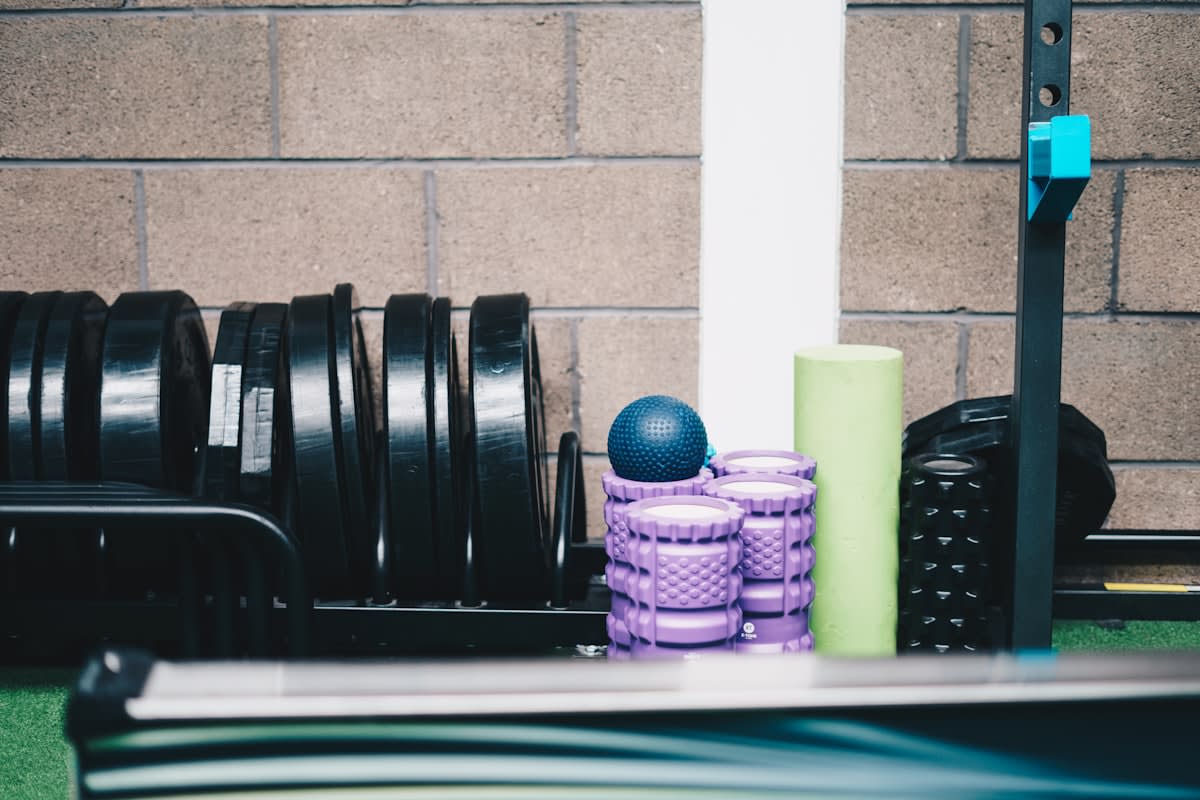
- High-Density Foam Roller or Percussive Therapy Device: For myofascial release.
- A Detailed Training Log: To track volume, intensity, and subjective pain levels.
- Temperature Control Tools: Access to contrast baths or a sauna.
Once the tools are in place, the mindset must shift. You are no longer training for a specific event or a summer body; you are training for a century of movement. This requires a psychological pivot from 'pushing through the pain' to 'listening to the signal.' In the professional world, a 'twinge' is a data point that triggers a protocol change. For the aging enthusiast, it is often ignored until it becomes a tear. Stop ignoring the signals.
The Protocol: A Step-by-Step Implementation
Implementing this protocol requires a phased approach. You cannot jump from a sedentary lifestyle or a high-impact routine directly into elite recovery without risking further injury. The process is about incrementally increasing the body's capacity to handle stress while simultaneously increasing the efficiency of its repair mechanisms.
- Establish Your Baseline: Spend two weeks tracking your HRV and subjective joint stiffness upon waking. Identify which joints are the 'weakest links' in your chain.
- Implement Load Periodization: Stop training at 100% intensity every session. Adopt a 3:1 ratio—three weeks of progressive loading followed by one 'deload' week where volume is reduced by 40-50% (Source: National Strength and Conditioning Association, 2021).
- Integrate Dynamic Priming: Replace static stretching before workouts with dynamic mobility. Focus on controlled articular rotations (CARs) to ensure the joint can move through its full range of motion under tension.
- Deploy Targeted Recovery Modalities: Use contrast therapy (alternating hot and cold) to stimulate blood flow and lymphatic drainage. This helps flush metabolic waste from joint capsules that lack direct blood supply.
- Optimize the Sleep-Repair Window: Prioritize 7-9 hours of sleep. This is when growth hormone peaks and joint tissues undergo the majority of their cellular repair.
The magic happens in the deload week. Most aging athletes fear the deload, viewing it as lost progress. In reality, the deload is where the actual adaptation occurs. By reducing the systemic stress, you allow the connective tissues—which heal much slower than muscle—to catch up. If you skip the deload, you aren't training harder; you are simply accelerating the timeline toward a chronic injury.
"The goal of recovery is not to return to baseline, but to create a new, higher baseline of resilience through calculated stress and strategic rest."— Dr. Andrew Huberman, Stanford University School of Medicine
Consider the impact of nutrition on this process. Joint longevity is impossible without the raw materials for collagen synthesis. While supplements are often marketed as miracles, the real work happens through a combination of high-protein intake and micronutrients like Vitamin C and Manganese, which act as co-factors for tissue repair (Source: American College of Sports Medicine, 2023). Without these, your recovery protocol is like trying to rebuild a house without bricks.
The Practitioner's Perspective: Ground-Level Realities
On the ground, the debate isn't about whether recovery works, but about the 'minimum effective dose.' I've spent hours in training facilities from Madrid to Melbourne arguing with coaches who still swear by ice baths for every single inflammation. The friction comes from a generational divide: the 'grind' culture versus the 'precision' culture. We now know that excessive icing immediately after strength training can actually blunt the hypertrophic response by suppressing the necessary inflammatory signals. The real art is knowing when to suppress inflammation to manage pain and when to let it drive adaptation.
I often see clients struggle with the 'ego-trap.' They want the results of a professional athlete without accepting the professional's commitment to boredom. Recovery is boring. It is the repetitive act of rolling, stretching, and sleeping. The most successful aging athletes I work with are the ones who treat their recovery with the same intensity as their workouts. They don't see the foam roller as a chore; they see it as a prerequisite for the next heavy lift.
Common Pitfalls to Avoid
Even with a protocol, there are traps that can derail your progress. The most dangerous is the 'supplement shortcut.' Many people spend hundreds of dollars on glucosamine and chondroitin while ignoring the fact that they only sleep five hours a night. Supplements are the 5% at the top of the pyramid; they cannot compensate for a foundation of poor sleep and erratic loading.
- The Over-Icing Trap: Using cold therapy to mask pain and then training through an injury.
- The Static Stretch Error: Holding long, passive stretches on cold muscles, which can decrease power output and increase injury risk.
- The Linear Progression Fallacy: Assuming you can add weight to the bar every week indefinitely, ignoring the non-linear nature of aging biology.
- Ignoring the 'Silent' Inflammation: Failing to address diet-induced inflammation (high refined sugars), which makes joint recovery sluggish.
Fact-Check & Accuracy Note
Key claims regarding sarcopenia and recovery ratios are based on guidelines from the World Health Organization (2022) and the National Strength and Conditioning Association (2021). The debate regarding the timing of cryotherapy (icing) and its effect on hypertrophy is an ongoing discussion in sports science, with emerging evidence suggesting a more nuanced approach to inflammation management.