HT Evening News Brief October 27: Sonia Gandhi predicts ‘tamasha’ over memoir; Imran Khan’s ‘leave India’ notice put on hold
Source Entity
Latest News: Todays Latest News Headlines from India & World | Hindustan Times | Hindustan Times
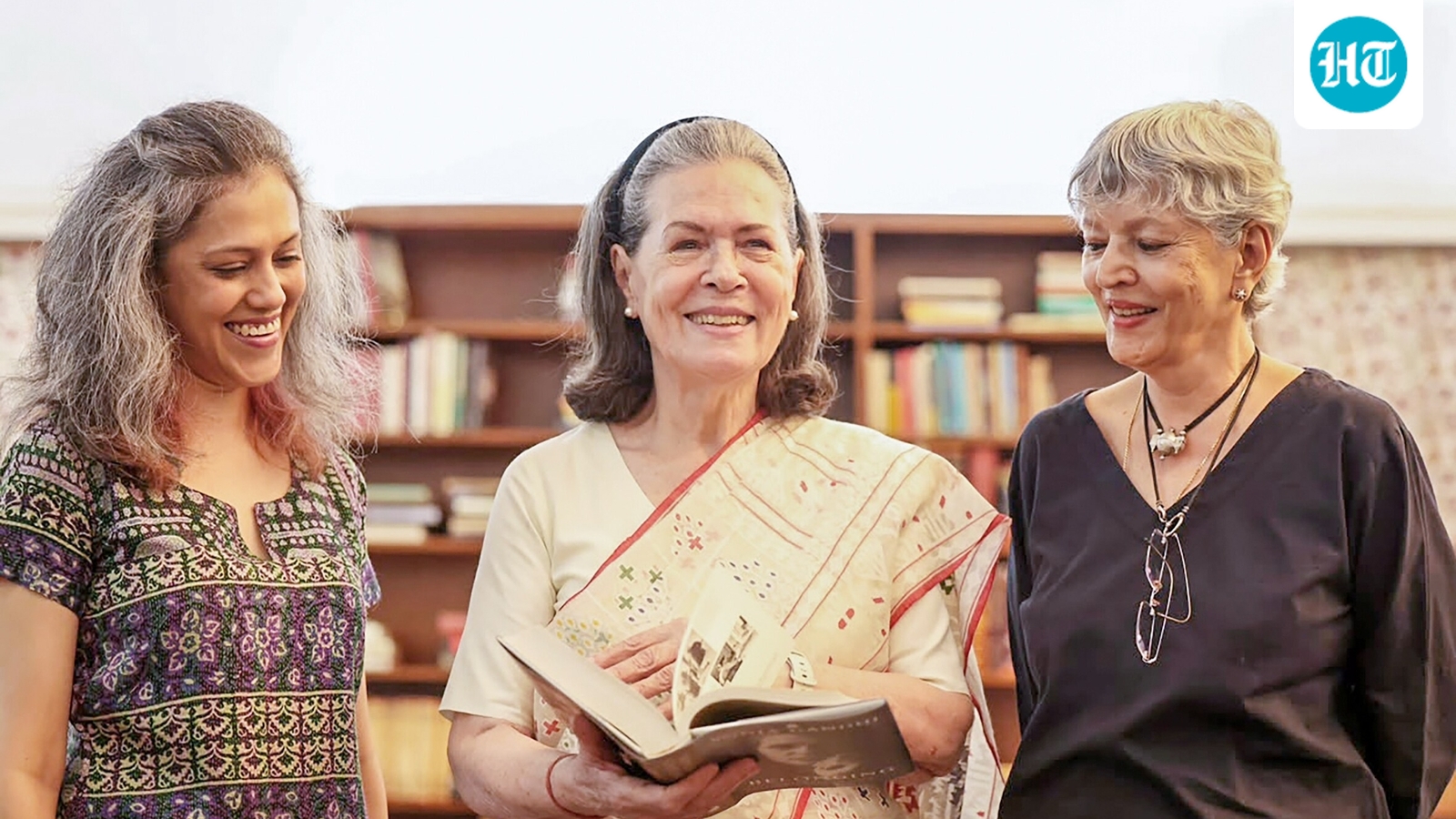
Sonia Gandhi anticipates public discourse surrounding her upcoming memoir, while the Bombay High Court has granted interim relief to actor Imran Khan regarding a controversial 'leave India' notice. Both events highlight significant intersections of political narrative and legal rights in India.
The Intersection of Political Narrative and Legal Scrutiny
Sonia Gandhi’s Anticipated Memoir: A Personal Account
Sonia Gandhi, Chairperson of the Congress Parliamentary Party, has publicly signaled that her upcoming memoir, Belonging: A Journey of Love, is poised to stir significant public discourse. Scheduled for release on November 10, the book aims to provide her personal perspective, which she suggests has been frequently obscured by years of public speculation and, in her words, "invented or exaggerated" accounts. By framing the release as a potential "tamasha," Gandhi acknowledges the polarizing nature of her political life and the inevitability of intense scrutiny that follows any high-profile political autobiography.
Legal Battles and Citizenship: The Case of Imran Khan
The legal challenges facing actor Imran Khan Pal provide a stark contrast to the political discourse surrounding Gandhi. Khan has sought relief from the Bombay High Court after receiving a notice from the Foreigners Regional Registration Office (FRRO) directing him to leave India by November 14. This directive stemmed from a complaint filed by a BJP leader, alleging that Khan participated in a protest while being a US citizen—an act the complainant suggests is inappropriate for a foreign national.
Due Process and Constitutional Rights
Central to Khan’s petition is the argument that the FRRO notice lacks due process and infringes upon his constitutional rights. Khan, who holds an Overseas Citizen of India (OCI) card, maintains that he has resided in India since the age of two. His legal team has characterized the notice as a form of political vendetta, arguing that his participation in a peaceful protest should not be grounds for deportation, especially given his lifelong residency and status in the country.
The Role of the Judiciary in Balancing Rights
The Bombay High Court’s decision to keep the "leave India" notice in abeyance until the next hearing on November 2 represents a significant procedural victory for the actor. By securing an extension on his departure deadline, Khan’s legal team has successfully pressed the court to review the necessity and legality of the FRRO’s order. The intervention of the Additional Solicitor General and the subsequent scheduling of hearings highlight the complexity of balancing administrative immigration enforcement with the rights of individuals who have deep-rooted ties to the nation.
Broader Implications for Political Expression
Both stories underscore the heightened sensitivity surrounding public figures and their actions in the current Indian climate. Whether it is a veteran politician reclaiming her narrative through literature or an actor navigating the complexities of citizenship and political participation, both events highlight how deeply personal lives are scrutinized through a political lens. As the November dates for both the memoir release and the court hearing approach, these issues will likely remain at the forefront of public conversation, illustrating the ongoing tension between official administrative mandates and individual rights.
Multiple Citing Sources
Verification Required?