EC appoints 11 nodal officers for 2027 Manipur Assembly polls
Source Entity
India Latest News: Top National Headlines Today & Breaking News | The Hindu
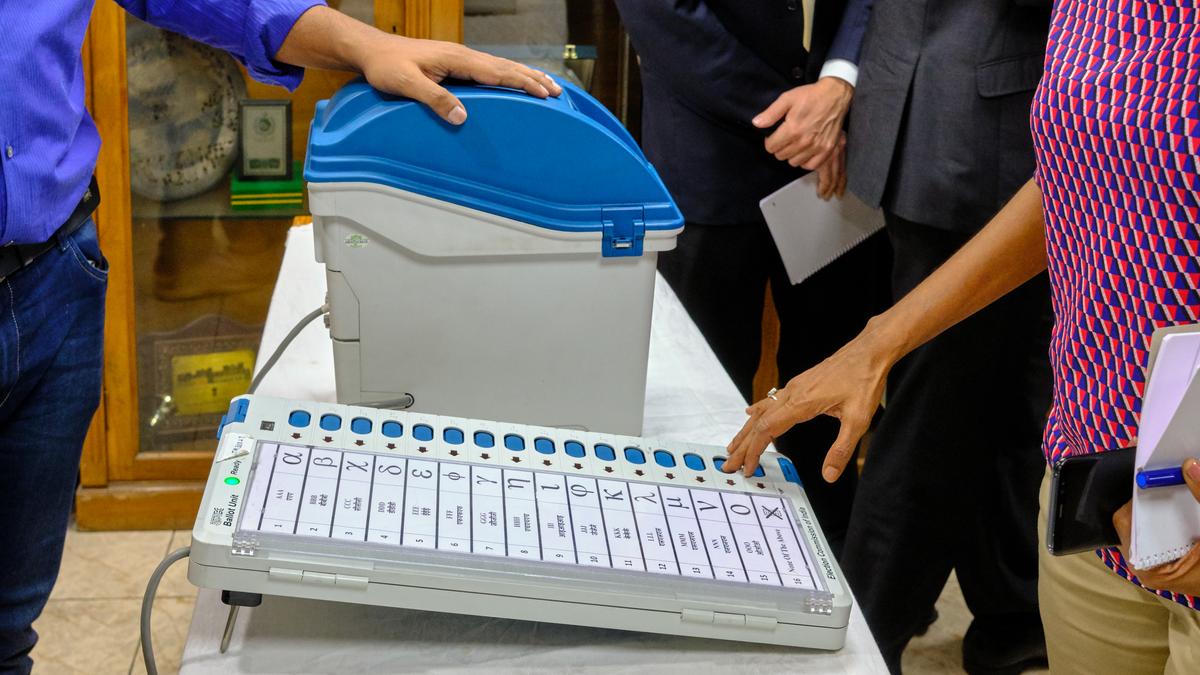
The Election Commission of India has initiated preparatory measures for the 2027 Assembly elections by appointing nodal officers in Manipur and mandating officer transfers in Uttar Pradesh. These steps aim to ensure electoral integrity by preventing conflicts of interest and ensuring administrative neutrality.
Strengthening Electoral Integrity: ECI Prepares for 2027 State Polls
As the Election Commission of India (ECI) gears up for the 2027 Assembly elections, it has initiated a series of strategic administrative maneuvers in Manipur and Uttar Pradesh. These actions, ranging from the appointment of specialized nodal officers to the strict enforcement of transfer policies for civil servants, underscore the commission's commitment to maintaining a level playing field and ensuring the sanctity of the democratic process.
Strategic Appointments in Manipur
In Manipur, the ECI has proactively appointed eleven nodal officers to oversee the logistical and security aspects of the upcoming elections. By designating specific experts for critical domains—such as IPS officer Kamei Angam Romanus for law and order and IAS officer Hungyo Worshang for excise—the commission is creating a robust framework to manage the complexities of election oversight. Other key appointments, including those for expenditure monitoring and cyber security, reflect the evolving technological and financial challenges inherent in modern Indian elections.
Expanding the Scope of Administrative Neutrality in UP
Simultaneously, the ECI has issued a directive to the Uttar Pradesh government to transfer officers who have served in their home districts or remained in the same district for three years or more. This policy, a cornerstone of the ECI’s efforts to prevent local political influence, has been significantly expanded. While previous mandates primarily targeted District Magistrates and Superintendents of Police, the current order encompasses a broader spectrum of officials, including Divisional Commissioners, Electoral Registration Officers (EROs), and various development authority personnel.
The Rationale Behind Proactive Transfers
These transfers are designed to mitigate potential biases that could arise from long-term professional relationships with local political actors. By mandating the rotation of personnel, the ECI ensures that the administrative machinery remains impartial, particularly in sensitive roles involving electoral registration and district management. This expansion of the transfer policy indicates a more rigorous approach by the ECI to close potential loopholes that might compromise the fairness of the electoral process.
Broader Implications and Future Trends
These preemptive measures signal a shift toward more granular oversight in Indian elections. As the 2027 cycle approaches, the ECI is clearly prioritizing the insulation of the bureaucracy from local political pressures. This trend suggests that future electoral cycles will see even more stringent compliance requirements for state governments, as the ECI continues to leverage its constitutional mandate to ensure that elections are not only free and fair but also perceived as such by the electorate.
Conclusion
The ECI’s recent actions in Manipur and Uttar Pradesh represent a dual-pronged approach to election management: logistical readiness through expert appointments and administrative integrity through personnel rotation. By setting these standards well ahead of the anticipated February-March 2027 polls, the commission is establishing a foundation of accountability that is essential for the stability and credibility of the democratic exercise in these states.
Verification Required?