'Won't rest till CEC is removed': Cong claims denied permit for mock impeachment
Source Entity
ROHITASHWA RANJAN
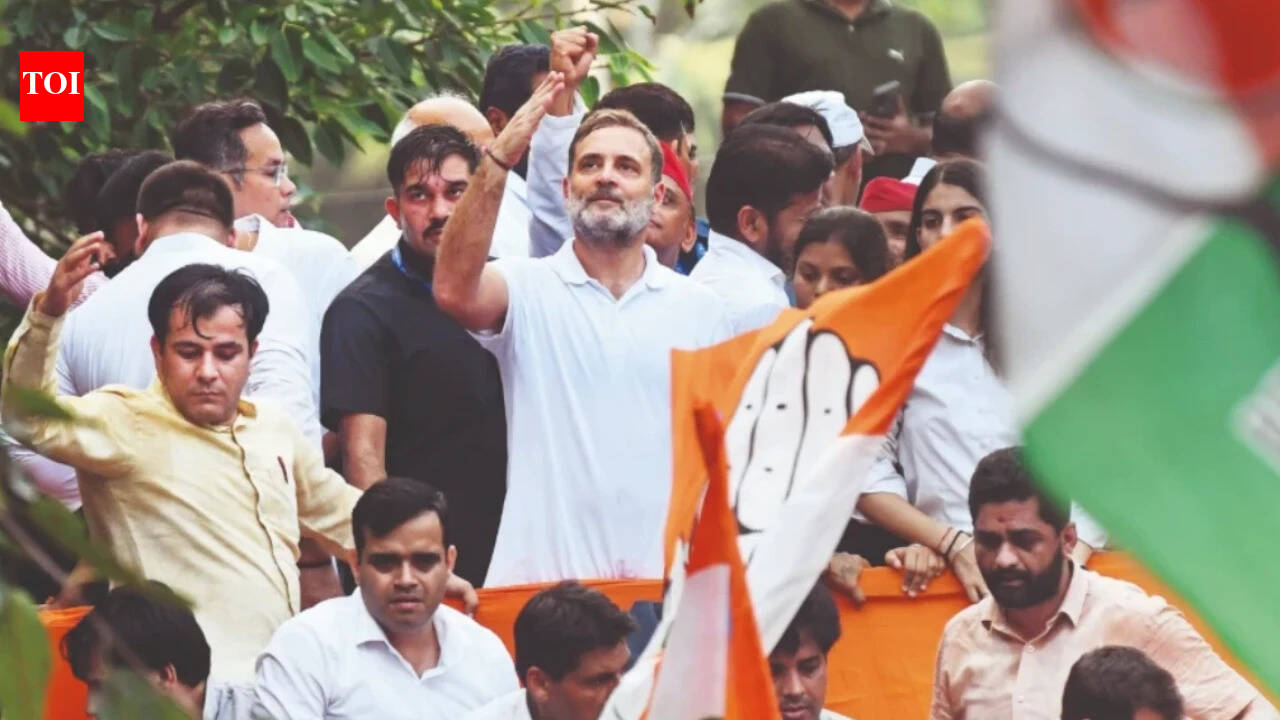
The Congress party has accused the Delhi Police and the Centre of blocking a planned 'public impeachment' event against the Chief Election Commissioner. Authorities have denied these allegations, citing standard regulatory terms and conditions for such gatherings.
Tensions Escalate Over Proposed 'Public Impeachment' Event
The political landscape in New Delhi has tightened following allegations from the Indian National Congress regarding the suppression of a planned protest. The party claims that the Centre, acting through the Delhi Police, obstructed their ability to host a "public impeachment" of Chief Election Commissioner Gyanesh Kumar. This event was intended as a precursor to a larger demonstration scheduled for November 1 at the historic Ramlila Maidan, signaling a deepening rift between the opposition INDIA bloc and the current administration.
Disputed Narratives and Regulatory Hurdles
According to Congress general secretary KC Venugopal, the conflict began when the government-run Ashoka Hotel rescinded its initial approval for the event. The party asserts that this reversal was not a spontaneous decision by hotel management but rather the direct result of police intervention. Conversely, the Delhi Police have categorically denied these charges, maintaining that their involvement is limited to enforcing standard "terms and conditions" regarding public order and security, a common administrative procedure in the national capital.
The Role of Constitutional Institutions
The core of this controversy lies in the opposition's questioning of the Election Commission's neutrality. By labeling their planned gathering a "public impeachment," the INDIA bloc is seeking to exert political pressure on the institution responsible for overseeing electoral integrity. This rhetoric highlights a broader trend where political parties increasingly look to public forums to challenge the credibility of constitutional bodies, often leading to friction with law enforcement agencies tasked with maintaining public order.
Historical Context of Political Demonstrations
The use of venues like the Ashoka Hotel or the Ramlila Maidan for political discourse is a long-standing tradition in Indian democracy. However, the intersection of private venue policies and police-enforced security protocols often creates a gray area in civil liberties. The current standoff is reflective of the heightened sensitivity surrounding election-related oversight, where every administrative denial of permit is scrutinized through the lens of political partisanship.
Future Implications for Opposition Strategy
As the November 1 rally approaches, the ability of the opposition to mobilize effectively will depend on their capacity to navigate these regulatory challenges. This incident serves as a bellwether for how the state and the opposition will interact in the lead-up to future electoral cycles. Should the Congress party continue to face barriers in securing venues, it is likely that the rhetoric regarding the erosion of democratic space will intensify, further polarizing the political discourse in India.
Conclusion
In summary, the dispute over the "public impeachment" event is a microcosm of the current political climate, where administrative regulations and partisan accusations frequently collide. While the Delhi Police maintain that their actions are purely procedural, the Congress party views the denial of space as a systemic attempt to stifle dissent. As the situation evolves, the focus remains on whether these tensions will escalate further or if a resolution can be reached that balances security concerns with the constitutional right to peaceful protest.