Is Jagan Reddy's 'regret' message a calculated alliance pitch for Congress?
Source Entity
KUNAL VARMA
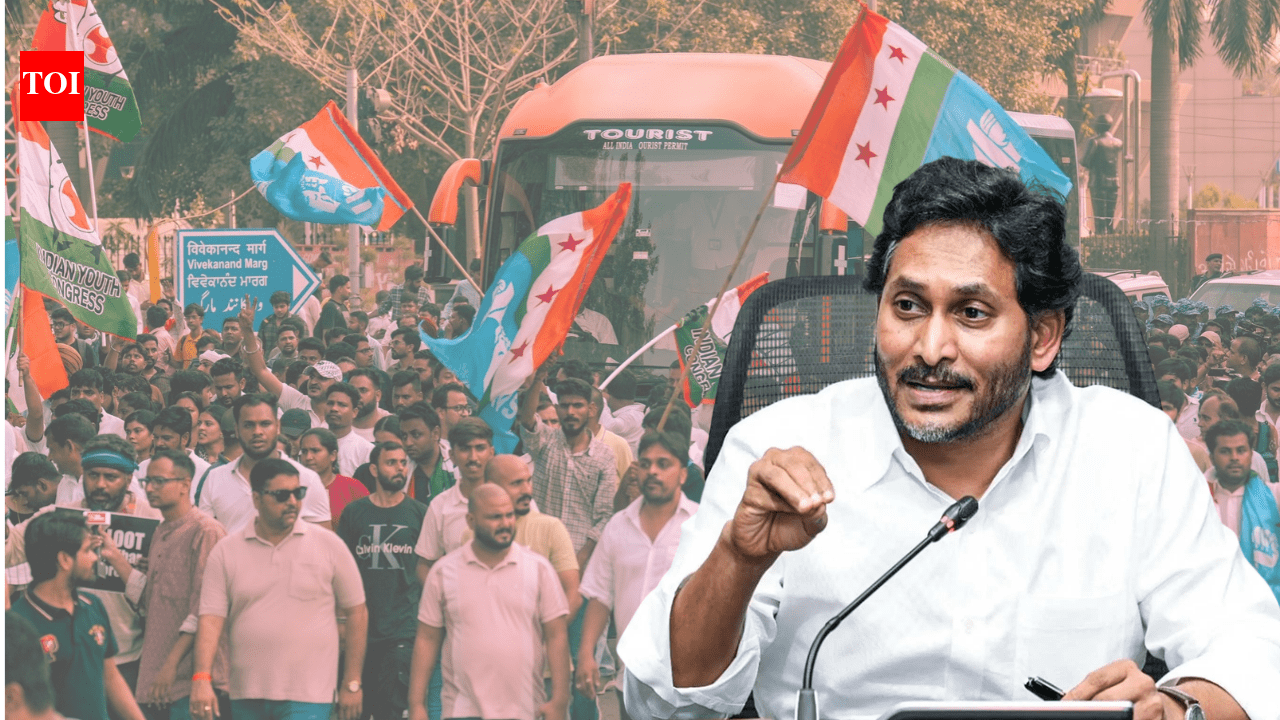
Former Andhra Pradesh CM Jagan Mohan Reddy has publicly expressed regret for supporting the BJP's election commission legislation. This shift signals a potential strategic pivot as his party navigates a post-election landscape and explores future alliances.
Strategic Realignment: Jagan Mohan Reddy’s Political Pivot
A Public Reversal
YS Jagan Mohan Reddy, the leader of the YSRCP and former Chief Minister of Andhra Pradesh, has recently made a significant public admission regarding his past legislative support. By acknowledging that his decision to back the BJP-led NDA government’s law concerning the appointment of the Chief Election Commissioner (CEC) was a mistake, Reddy has signaled a clear departure from his previous stance of cooperation with the ruling center. This admission is not merely a retrospective critique but a calculated political maneuver aimed at recalibrating his party's position on the national stage.
The Aftermath of 2024
This shift in rhetoric arrives in the wake of the YSRCP’s significant defeat during the 2024 assembly elections. Having suffered a major electoral setback, the party is now forced to navigate a much more hostile political climate in Andhra Pradesh. The loss of power has necessitated a total reassessment of the party's trajectory, with Reddy clearly looking ahead to the 2029 electoral cycle as the ultimate horizon for a potential resurgence. His public regret acts as a bridge-building exercise, intended to distance his party from the NDA's legislative agenda.
The Congress Alliance Dilemma
Central to this new strategy is the persistent speculation regarding a potential alliance with the Indian National Congress. For years, the political history of the YSRCP has been defined by its origins as a splinter of the Congress party, making the prospect of a reunion both historically ironic and pragmatically complex. A formal alignment with the INDIA bloc would require overcoming deep-seated historical grievances and ideological friction, representing perhaps the most daunting challenge in Reddy’s current political career.
Confronting the Naidu-BJP Nexus
The urgency of this potential realignment is exacerbated by the current political reality in Andhra Pradesh, where the BJP maintains strong, productive ties with current Chief Minister Chandrababu Naidu. By aligning with the opposition, Reddy is not only attempting to secure a future ally but is also positioning the YSRCP as the primary counterbalance to the Naidu-BJP partnership. This binary structure in Andhra politics forces Reddy to seek ideological allies who are similarly opposed to the current state and central government cooperation.
Future Implications and Conclusion
The road to 2029 remains fraught with uncertainty. While Reddy’s regret may open doors for dialogue with the Congress, success will depend on whether the national opposition perceives the YSRCP as a reliable partner or a liability. If the YSRCP manages to bridge the gap with the INDIA bloc, it could fundamentally alter the power dynamics in Andhra Pradesh. Ultimately, this move highlights the fluid nature of Indian politics, where past legislative support is frequently sacrificed on the altar of future electoral survival.