'We know everything': SC to hear pleas against CEC Gyanesh Kumar on Nov 17
Source Entity
KANCHAN YADAV
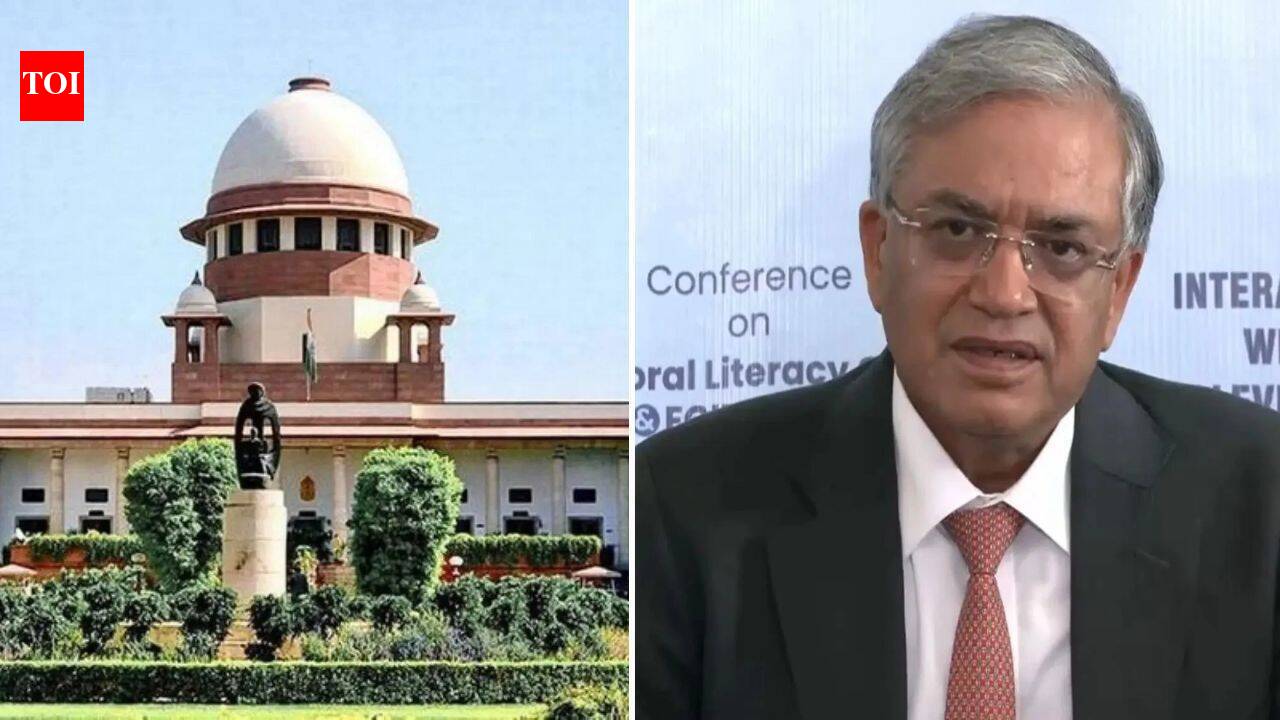
The Supreme Court has deferred hearings regarding a petition challenging the Election Commission's Special Intensive Revision process. The ECI maintains that its decisions were unanimous, while opposition leaders seek to preserve official records for judicial scrutiny.
The Election Commission and the Supreme Court: A Procedural Standoff
The Indian political landscape is currently navigating a significant legal challenge concerning the Election Commission of India (ECI) and its internal decision-making processes. At the heart of this controversy is the Special Intensive Revision (SIR) of electoral rolls, which has prompted a series of petitions before the Supreme Court. These legal challenges were sparked by reports suggesting internal friction within the commission, specifically regarding the unanimity of decisions made by the Chief Election Commissioner (CEC) Gyanesh Kumar and his fellow commissioners.
The Genesis of the Legal Challenge
The impetus for the current judicial scrutiny stems from an investigative report suggesting that Election Commissioners Sukhbir Singh Sandhu and Vivek Joshi had recorded written disagreements 14 times over a 10-month period. This revelation led advocate Rakesh Kumar Singh to file a petition seeking the suspension of CEC Gyanesh Kumar, pending a formal probe into the ECI's functional integrity. The petition raises fundamental questions about the internal governance of one of India's most critical democratic institutions.
The ECI’s Defense and Procedural Stance
In response to these allegations, the Election Commission submitted a counter-affidavit to the Supreme Court, asserting that all decisions related to the SIR were reached unanimously. The ECI has further defended its operational autonomy by emphasizing that the removal of the CEC is a complex legal process, mirroring the rigorous standards required for the removal of a Supreme Court judge. This defense is central to the ECI’s effort to maintain its institutional independence and counter claims of unilateral decision-making.
The Role of the Opposition and Judicial Oversight
Prominent political figures, including the Leader of the Opposition in the Lok Sabha, Rahul Gandhi, have joined the legal fray. The petitioners have requested the Supreme Court to direct the ECI to preserve or produce the 'complete records' of the SIR exercise. Describing their request as 'innocuous' and 'non-invasive,' the petitioners aim to ensure that the evidentiary trail of the ECI’s decision-making process is protected from potential tampering or deletion before the court can conduct a thorough review.
Judicial Deferment and Future Implications
The Supreme Court, led by Chief Justice of India Surya Kant, has opted for a cautious approach. By deferring the hearing for 10 days to allow the petitioners to respond to the ECI’s counter-affidavit, the court has signaled its intent to conduct a comprehensive examination of the evidence. The outcome of these hearings will have profound implications for the perceived neutrality of the ECI and could set a precedent for how the judiciary oversees the internal administrative functions of constitutional bodies.
Conclusion
As the nation awaits the resumed hearings post-Diwali, the core issue remains the balance between the ECI's administrative autonomy and the necessity for transparency in electoral roll management. The Supreme Court's commitment to 'examine everything' underscores the gravity of the situation. Whether this leads to structural changes in how the ECI operates or serves to reaffirm its existing procedures, the final verdict will play a pivotal role in maintaining public trust in the integrity of India's electoral processes.
Multiple Citing Sources