Karnataka Final Voter List Down By Nearly 1 Crore After Special Revision
Source Entity
NDTV News Search Records Found 1000
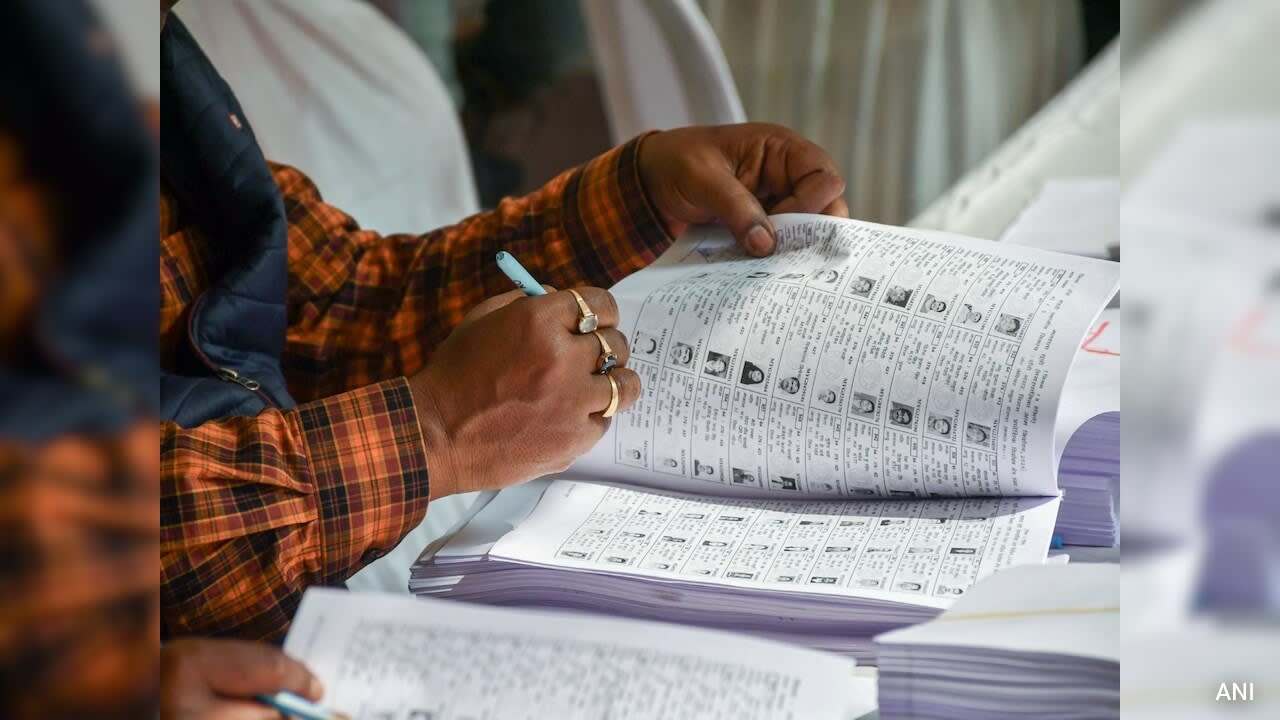
Karnataka has seen a massive reduction of nearly 1 crore voters following a Special Intensive Revision of electoral rolls. Meanwhile, Delhi recorded a tepid response during its final voter registration camps, highlighting ongoing challenges in electoral roll management.
Electoral Roll Overhaul: A Massive Contraction in Karnataka
The recent Special Intensive Revision (SIR) process in Karnataka has culminated in a significant structural shift in the state's electoral landscape. Following an exhaustive enumeration phase that concluded on October 27, the state witnessed a reduction of approximately 99.76 lakh voters. Starting from an initial electorate of 5.54 crore, the state’s voter base now stands at approximately 4.54 crore. This contraction represents a major administrative undertaking, aimed at purifying the electoral rolls and ensuring the integrity of the democratic process.
The Mechanics of Deletion
The primary driver behind this drastic reduction was the rigorous categorization of entries under the ASDDO framework—Absent, Shifted, Dead, Duplicate, and Others. Data indicates that the largest segment of these removals, totaling 65.45 lakh entries, was attributed to voters who had permanently shifted from their registered constituencies. This mass cleanup exercise is essential for preventing electoral malpractice, as outdated or duplicate entries can be exploited, thereby compromising the accuracy of voter turnout statistics and the overall fairness of elections.
Demographic Impacts and New Registrations
A particularly striking aspect of this revision is the impact on the 20-29 age demographic, which accounted for 86.56 lakh of the removed entries. While this figure might appear alarming, it underscores the transient nature of the younger workforce and student populations in a rapidly urbanizing state like Karnataka. Simultaneously, the inclusion of 6.83 lakh fresh registrations suggests that while there is a significant turnover, the electoral machinery is actively working to capture new voters, albeit at a rate that currently lags behind the pace of deletions.
Comparative Trends: The Delhi Experience
Contrasting the Karnataka experience, Delhi’s recent efforts to update electoral rolls reveal a different set of challenges. Despite organizing special camps across nearly 15,000 polling stations, the response remained tepid. With only 3,000 Form-6 applications for new inclusions and a total of 1,000 applications for deletions and corrections, the administrative push for voter enrollment faced a lack of public engagement. This follows a broader trend where approximately 47.6 lakh voters were deleted from Delhi’s draft electoral rolls since August 31.
Broader Implications for Electoral Integrity
The dual scenarios in Karnataka and Delhi highlight the perpetual tension between administrative efficiency and civic participation. While the intensive removal of inactive or duplicate voters is a critical step in maintaining accurate rolls, the low turnout for new registrations in Delhi suggests that electoral authorities may face a 'participation gap.' Maintaining the balance between a 'clean' roll and an 'inclusive' roll is a delicate task that requires constant public outreach and awareness.
Future Trends and Outlook
Looking ahead, the reliance on SIR processes will likely intensify as election commissions move toward more digitized and automated verification methods. The future of electoral management will depend on the ability of state machineries to incentivize young voters to register proactively rather than waiting for special camp windows. As mobile and digital platforms for form submissions become more accessible, the hope is that administrative efficiency in cleaning the rolls will eventually be matched by a surge in civic participation, ensuring that the electoral rolls remain both accurate and reflective of the current population.
Multiple Citing Sources
Verification Required?