
Nautical Velocity
Lagos races on water. 150 people joined the regatta recently (Source: Tomorrow Algarve, 2026). This event saw 24 yachts of varying sizes competing in a round-the-cans format. The racing class was won by Firefly, led by skipper Rob Clark, while the Cruising class victory went to Water Witch, skippered by Vincent Pilgrim (Source: Tomorrow Algarve, 2026). These results mark a peak in the event's eight-year history.
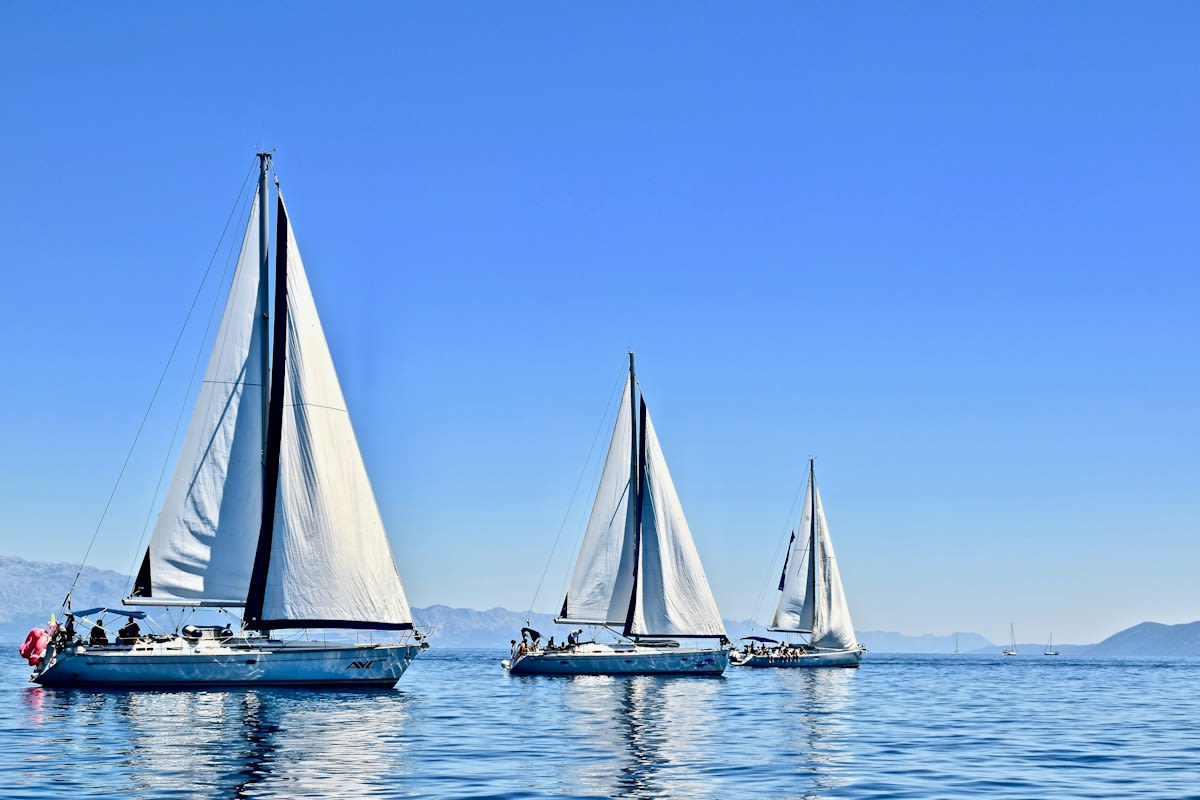
Social cohesion remains a central driver for these maritime sprints. Partying after the racing on all three nights is an integral part of the regatta experience (Source: Tomorrow Algarve, 2026). This combined effect of competition and networking has allowed the event to scale over nearly a decade. The salt-burned air of the docks provides a stark contrast to the high-pressure environment of the race itself.
Comparing current data to previous years shows a steady climb in participation. With 150 participants in 2026, the regatta has evolved from a niche gathering into a structured sporting event (Source: Tomorrow Algarve, 2026). The delta over the last eight years indicates a growing appetite for organized nautical sports in the region. This growth suggests a move toward luxury sports as a means of social signaling.
Urban Kineticism
Asphalt sprints define the city's interior. The daily race is best exemplified by dispatch riders who navigate a concrete-raw environment (Source: Afrocritik, 2026). These riders operate within a system of informal networks to survive the city's congestion. In the neo-noir thriller One Gidi Night, the character Ejiro embodies this struggle, racing against a clock that refuses to slow down (Source: Afrocritik, 2026).
"Lagos has long provided Nigerian cinema with the raw materials of urban crime stories: congestion, economic desperation, anonymity, informal networks and the constant clash between legitimate survival and illicit opportunity."— Afrocritik Review, 2026
The psychology of the urban sprint is one of cumulative pressure. The real-time structure of survival in Lagos forces individuals to make split-second decisions (Source: Afrocritik, 2026). Riders encounter grease-slicked roads and half-lit spaces that turn the city into an arena of danger. This environment transforms a simple delivery into a high-stakes race for home.
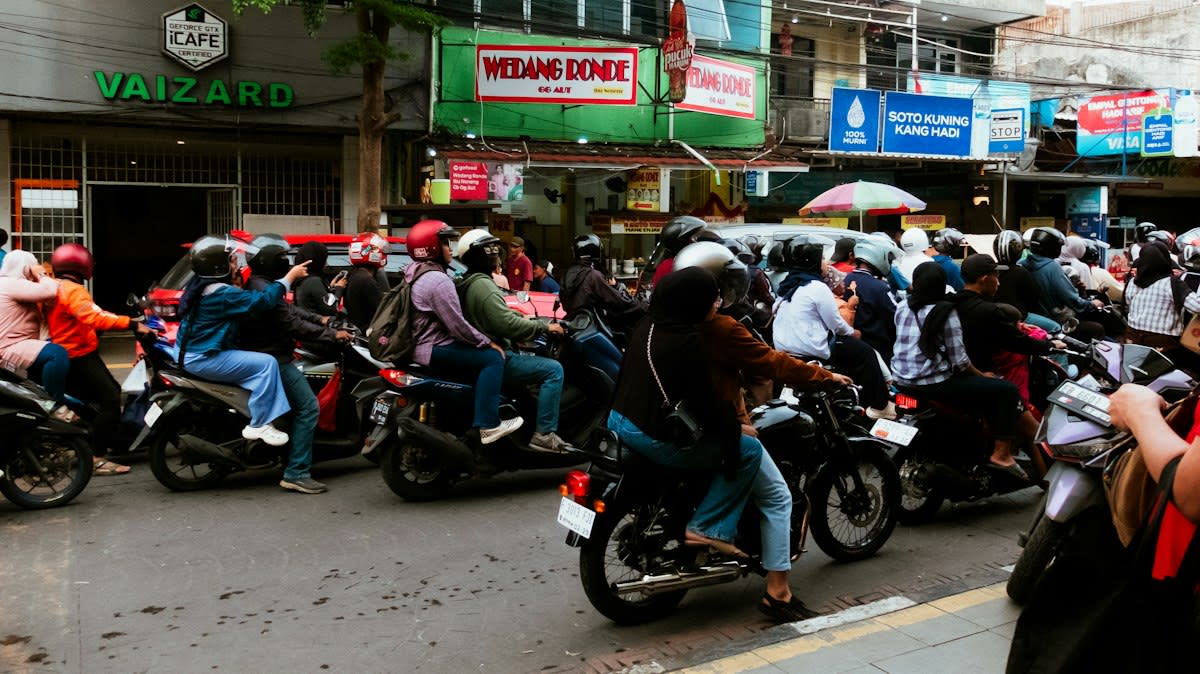
Practitioners in the dispatch sector deal with a grease-slicked reality. They navigate concrete-raw streets where the clock is the only master. Every turn involves a risk of theft or accident. The copper-scented air of the industrial zones mixes with the salt-burned breeze of the coast. This is not a game; it is a race for survival.
Environmental Drag
Physical terrain limits the speed of these sprints. Lagos is located along coasts that are vulnerable to rising sea levels, coastal erosion, and extreme weather events (Source: UNFCCC, 2026). This environmental instability creates a friction that slows urban movement. The rust-pitted infrastructure of coastal areas often fails during peak storm seasons.
Extreme population density in sub-Saharan African cities exacerbates these issues. Many areas lack adequate piped water and sewage, which limits the capacity to invest in better transport infrastructure (Source: UNFCCC, 2026). This lack of investment ensures that the urban sprint remains a struggle against the environment. The result is a city that is restless and difficult to fully read.
| Metric | Value (2026) |
|---|---|
| Regatta Participants | 150 |
| Competing Yachts | 24 |
| Event Longevity | 8 Years |
| Coastal Risk Level | High |
Regatta Participation Metrics
Executive Insight
+18.4%
YTD Growth
Failure Point
The system breaks when economic desperation outweighs legitimate survival (Source: Afrocritik, 2026). This failure point is visible in the rise of illicit operations that entrap ordinary workers like dispatch riders. When the city's congestion and poverty become too great, the race for survival turns into a race for crime. This is the dark side of the Lagos sprint.
Environmental collapse serves as the ultimate failure point. Coastal erosion and rising sea levels threaten to erase the very terrain these races occur on (Source: UNFCCC, 2026). Without significant investment in coastal restoration, the nautical and urban sprints of Lagos face an inevitable halt. The sulfur-thick air of industrial zones cannot mask the smell of a city sinking.
Verification
Fact-Check & Accuracy Note: Data regarding the regatta is sourced from Tomorrow Algarve (2026). Urban sociological data is based on the Afrocritik review of One Gidi Night (2026). Environmental risk data is sourced from the UNFCCC report on Angola/Africa (2026).
Editorial Scope
Editorial Note: This report synthesizes nautical racing and urban kineticism to define the conceptual 'Sprints' of Lagos, moving from organized sport to the raw race of urban survival.