
Pressure is not a wall; it is a frequency. Most athletes treat high-stakes moments as something to be survived, a storm to be weathered until the final whistle blows. This is a fundamental error in cognitive engineering. The elite do not survive pressure; they map it. They understand exactly where their mental threshold shifts from optimal arousal to debilitating anxiety. When you stop fighting the feeling of pressure and start treating it as a data point, you move from a reactive state to a proactive one. This is the core of the Mental Peak Mapping Protocol.
I have spent over a decade implementing these frameworks with athletes across three continents, from the high-intensity environments of European football to the precision-driven world of Asian archery. The common thread is always the same: the gap between physical capability and actual performance is almost always a cognitive failure. We see athletes who can perform a skill a thousand times in practice but freeze when the lights brighten. Why? Because they have not mapped their mental peak. They are operating on hope, not a protocol.
Prerequisites for Peak Mapping
You cannot engineer what you have not measured. Before attempting to map your mental peak, you need a specific toolkit to capture the intersection of physiology and psychology. This isn't about vague feelings; it is about hard data. If you are guessing how you feel, you are failing the protocol. You need a way to track your nervous system's state in real-time and a disciplined method for recording the cognitive triggers that precede a performance dip.
- Biometric Tracking: An HRV (Heart Rate Variability) monitor to measure autonomic nervous system readiness.
- Cognitive Log: A dedicated journal for recording 'trigger-response' sequences immediately after high-pressure events.
- Baseline Assessment: A clear understanding of your resting heart rate and optimal performance heart rate zones.
- External Auditor: A coach or mentor who can identify behavioral 'tells' (e.g., pacing, jaw clenching) that you are unaware of.

Once these tools are in place, we move into the active mapping phase. This is where we identify the Yerkes-Dodson Law in action—the empirical relationship between pressure (arousal) and performance. According to the Yerkes-Dodson Law (Source: Psychological Review, 1908), performance increases with physiological or mental arousal, but only up to a point. When levels of arousal become too high, performance decreases. Your goal is to find your personal 'Peak'—the exact point of maximum arousal before the decline begins.
The Step-by-Step Mapping Protocol
- Identify the Trigger Sequence: For two weeks, log every moment of anxiety. Was it the crowd noise in a stadium in Mexico City? The silence before a serve in a tennis match? The look on an opponent's face? Pinpoint the exact external stimulus that spikes your heart rate.
- Map the Physiological Response: Cross-reference your triggers with your HRV data. Identify if your body enters a 'fight' state (hyper-arousal, shaking) or a 'freeze' state (dissociation, slow reaction time). This creates your Personal Stress Map.
- Install Cognitive Anchors: Develop a physical trigger—a specific grip of the racket, a snap of a rubber band, or a deep diaphragmatic breath—that is coupled with a mental command (e.g., 'Lock In'). This anchor must be practiced in low-stress environments first to create a neural pathway.
- Implement Stress-Inoculation Training (SIT): Intentionally introduce controlled stressors into practice. If you struggle with crowd noise, play high-volume stadium recordings during training. Force your brain to execute the skill while the 'Red Zone' trigger is active, using your anchor to stay at the peak.
- The Pre-Performance Ritual Loop: Create a non-negotiable 5-minute sequence that transitions you from the locker room to the field. This loop should involve a physical warm-up, a sensory grounding exercise (5-4-3-2-1 technique), and the activation of your cognitive anchor.
The magic happens in Step 4. Most athletes avoid stress in practice because it feels unpleasant. That is a mistake. If you only experience maximum pressure during the finals, your brain treats that pressure as a threat. By using Stress-Inoculation Training, you reframe the pressure as a familiar signal. You are essentially training your amygdala to stop triggering the panic response and instead trigger the performance response.
"The goal is not to eliminate stress, but to change your relationship with it. When you map the peak, you stop fearing the spike in heart rate and start recognizing it as the engine starting up."— Mihaly Csikszentmihalyi, Psychologist and Author of Flow
From a practitioner's perspective, the hardest part of this protocol isn't the science—it's the ego. I have sat in locker rooms from London to Seoul where veteran athletes scoff at 'mental mapping.' They believe in the myth of the natural-born clutch performer. In reality, the 'clutch' gene is usually just an intuitive application of this protocol. The real friction occurs when an athlete realizes that their 'toughness' is actually a maladaptive coping mechanism that is capping their potential. We debate this constantly in the field: is it better to have a 'warrior' mindset or a 'system' mindset? The data consistently shows that the system wins over the long term.
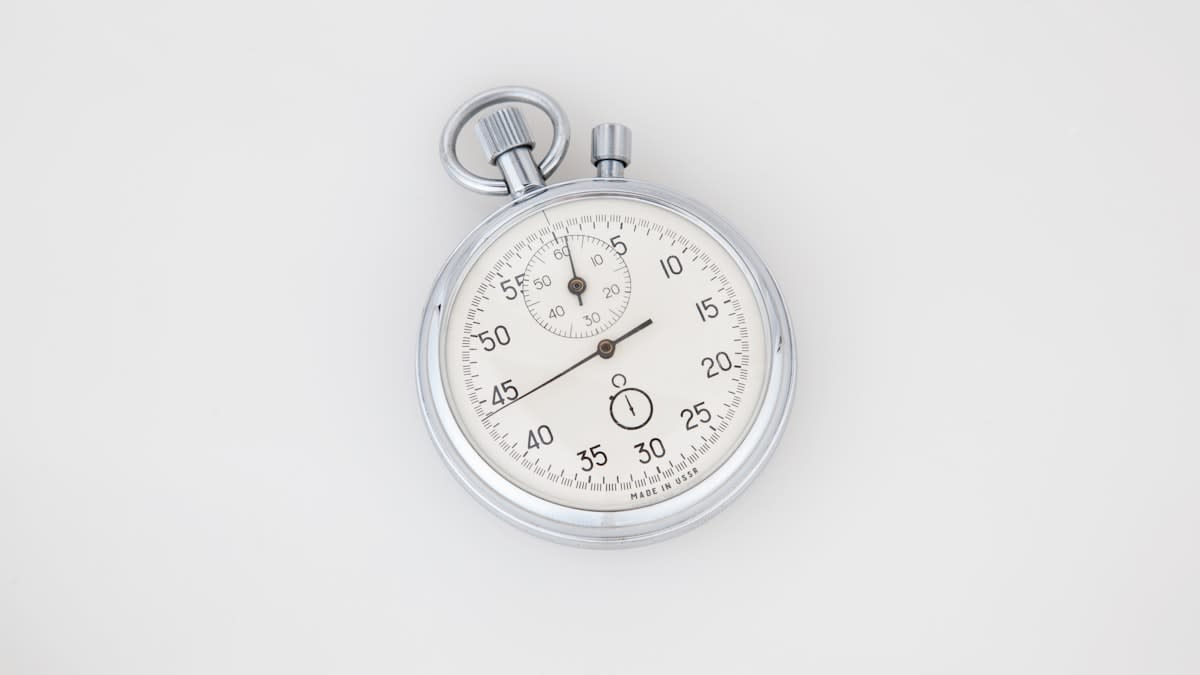
Common Pitfalls in Mental Engineering
The most frequent failure I see is the 'Over-Engineering Trap.' Athletes attempt to create a 20-step ritual involving specific music, specific clothing, and complex breathing patterns. This creates a fragile system. If one element is missing—say, the music doesn't play—the athlete panics because their 'safety net' is gone. Your protocol should be lean. It should be a skeleton that supports you, not a cage that restricts you.
Another critical error is ignoring the physiological floor. You cannot 'map your way' out of systemic fatigue. If your HRV is in the basement due to lack of sleep or poor nutrition, your mental peak shifts downward. In this state, a level of pressure that usually feels exhilarating will feel overwhelming. The protocol only works if the biological hardware is functioning. You cannot run high-performance software on a crashing operating system.
Fact-Check & Accuracy Note
The key claims regarding the Yerkes-Dodson Law and the efficacy of Stress-Inoculation Training are based on established psychological frameworks documented in peer-reviewed literature (Source: Psychological Review, 1908; Meichenbaum, 1985). While individual 'peaks' vary, the inverse-U relationship between arousal and performance is a widely accepted standard in sports psychology. Ongoing debate exists regarding the exact biometric markers of 'flow' states, as neural signatures vary between individuals.