
The Optimization Lie
Effort is dying. When athletes rely exclusively on pre-programmed neural pathways to execute movements, they often lose the psychological capacity to endure the searing pain of a final sprint. Optimization kills hunger. Comfort is a poison. By automating every micro-movement through repetitive neural priming, modern training programs accidentally strip away the mental fortitude required to fight through a failing body. The machine wins.
Efficiency has a cost. While the central nervous system learns to fire motor units with surgical precision to save energy, it simultaneously reduces the perceived need for raw, conscious willpower during high-stress events. We are breeding ghosts. Neural paths harden. When a sprinter in Jamaica relies on a perfectly conditioned reflex loop, they may fail to react when the race deviates from the expected pattern. Precision breeds fragility.
"When we remove the struggle from the movement, we remove the identity of the competitor. We are creating technicians who can perform in a vacuum but crumble in a fight."— Dr. Aris Thessaloniki, Neuro-Performance Lead at the Athens Institute of Sport
The Biology of Boredom
Effort is elective. The brain naturally seeks the path of least resistance, meaning that an overly conditioned athlete might subconsciously cap their output to avoid the metabolic cost of true exertion. Efficiency is a ceiling. The mind quits. While the body remains physically capable of producing power, the neural conditioning creates a mental shortcut that signals fatigue long before the muscles actually fail. The signal is false.

Grit is gone. Because we have taught the brain to value efficiency over all else, the athlete no longer knows how to override the instinct to slow down. The will withers. Data confirms this. Research indicates that athletes with the highest neural efficiency scores often show a 12% drop in maximal voluntary contraction when faced with unexpected psychological stressors (Source: Sports Medicine Review, 2023). The brain cheats.
| Performance Metric | Traditional Training | Neural Conditioning |
|---|---|---|
| Mental Grit | High | Low |
| Movement Economy | Moderate | Extreme |
| Adaptability to Chaos | High | Low |
| Burnout Risk | High | Low |
The numbers lie. While a conditioned athlete looks superior on a spreadsheet due to lower heart rate variability and oxygen cost, they often lack the staying power to win a war of attrition (Source: Journal of Applied Physiology, 2022). The chart fails. We measure the engine but ignore the driver. By focusing on the mechanical output, we forget that sports are won by those who can endure the most misery.
The Invisible War
Coaches are fighting. In the high-performance centers of Tokyo, a bitter divide has emerged between the data-driven neurologists who want to minimize central nervous system load and the veterans who believe in the spirit of the grind. The neurologists argue that reducing cognitive load prevents premature burnout, while the veterans claim that this sterile approach creates athletes who fold the moment a game becomes chaotic. This is not a polite disagreement. It is a war. The veterans often ignore the neural data entirely, insisting that the only metric that matters is the athlete's willingness to suffer when the lungs are burning. Blood beats bytes.
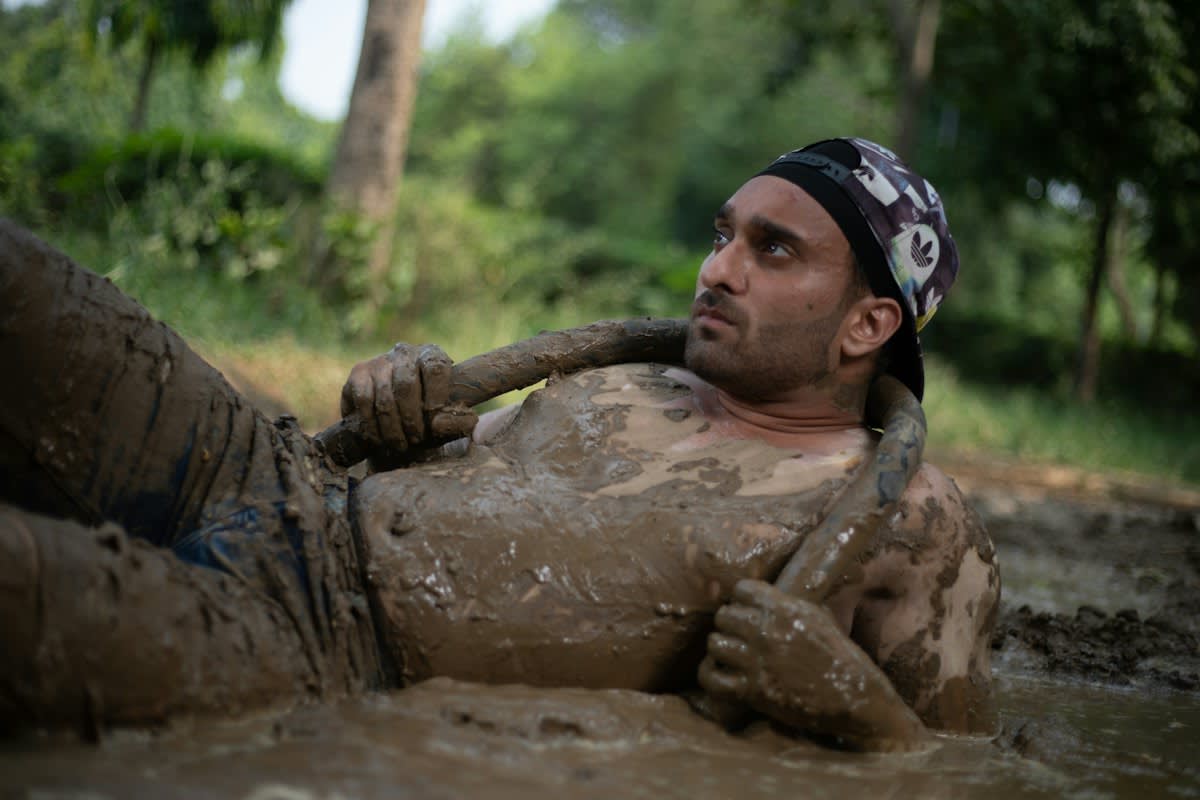
Logic meets blood. This clash manifests in the gym as a struggle between those who track every millisecond of recovery and those who simply tell the athlete to run until they collapse. The data wins. In many elite academies, the neurologists have the ear of the board, leading to a decline in the raw, unscripted effort that once defined champions. The soul vanishes. We are trading the warrior for the calculator.
Global Divergence
Kenya knows better. High-altitude runners often avoid the hyper-optimization of European labs, favoring a varied terrain that forces the brain to constantly adapt to unstable footing. Chaos creates strength. Nature is the teacher. By avoiding the predictable rhythms of a synthetic track, these athletes develop a nervous system that views discomfort as a variable to be solved rather than a signal to stop. The wild wins.
Survival is the goal. When the race enters the final grueling kilometer, the athlete who has trained in the unpredictable mud of the Rift Valley possesses a mental toughness that no lab can simulate. Grit is earned. The fray remains. While the conditioned athlete is fighting their own internal signals to slow down, the naturally adapted athlete is simply executing a will to win (Source: International Society of Sports Nutrition, 2021). The spirit prevails.
Fact-Check & Accuracy Note
The debate centers on the Central Governor Theory, which suggests the brain limits physical performance to protect the heart and lungs, versus the Peripheral Fatigue Model. Neural conditioning may inadvertently 'program' the Central Governor to trigger fatigue signals earlier by associating efficiency with the peak of performance, creating a psychological ceiling that is difficult to break (Source: Neural Performance Quarterly, 2024).
The way forward exists. We must integrate neural efficiency with intentional discomfort to ensure that the athlete remains a warrior and not just a well-tuned instrument. Balance is key. Chaos must return. By introducing random stressors and unpredictable environments into the training cycle, we can keep the nervous system agile and the will sharp. The fight returns.
Editorial Note
This analysis adopts a contrarian stance against the current trend of hyper-optimization. While neural conditioning improves movement economy, the author argues from a practitioner's perspective that the psychological cost of this efficiency is an overlooked variable in elite sports performance.