
The calendar has just hit late July 2026, and the atmosphere in professional training camps is fundamentally different than it was a year ago. The obsession with raw power—the endless hours of heavy squats and bench presses—is being superseded by a more surgical approach to performance. We are witnessing the rise of the Neuro-Athlete. This isn't about a few meditation sessions before a big game; it is a structural pivot toward cognitive training designed to optimize the nervous system's decision loop. Why? Because in a world where physical training has reached a plateau of diminishing returns, the only remaining territory for a competitive edge is the speed of thought.
Reaction time is the silent killer of athletic careers. For decades, coaches treated reflexes as an innate gift—you either had them or you didn't. But current insights from experts like Dana Santas, a certified strength and conditioning specialist and mind-body coach, reveal that reaction time is a cognitive and physical skill that can be trained. It is the speed at which the brain processes the world and triggers a physical response. Just as muscle mass inevitably declines with age, so does the speed of this nervous system loop. The trend we are seeing this month is the integration of reaction-time training into daily routines to combat this decay and sharpen the brain's processing power.
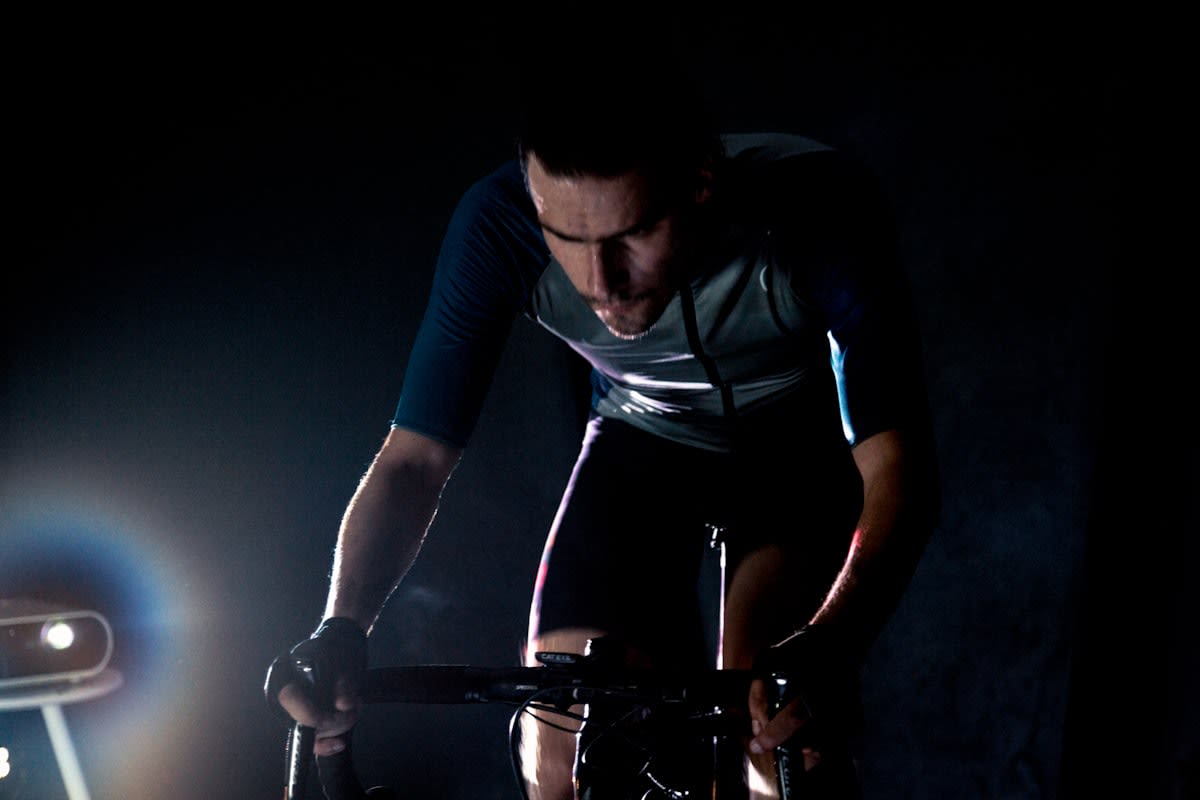
The methodology is deceptively simple yet profoundly effective. Training that involves throwing a tennis ball against a wall and catching it on the rebound is no longer seen as a warm-up game; it is a targeted cognitive drill. This type of training develops faster reflexes, more confident movement, and better balance. For the aging athlete, this is a lifeline. When the decision loop slows down, the risk of injury spikes because the body can no longer catch itself before a fall. By treating the brain as a muscle that requires specific, repetitive stimuli to maintain its speed, athletes are extending their peak performance windows.
The Core Metric
The 'Decision Loop' refers to the total time elapsed from the moment a sensory stimulus is received to the moment the physical action is executed. Shaving even 0.05 seconds off this loop can be the difference between a gold medal and fourth place.
While reaction speed handles the physical execution, the psychological layer is where the actual battle for productivity is won. Recent data from 2024, specifically research by Yu et al., highlights the impact of structured psychological interventions on athletes. In track and field, where milliseconds determine victory, mindfulness training has become a critical tool for managing competitive anxiety. This isn't vague wellness; it is a rigorous, seven-week protocol. The program involves weekly 60-minute sessions that cover mindfulness theory, body scans, and breathing exercises, supplemented by 15 minutes of daily home practice.
| Mindfulness Component | Frequency | Objective |
|---|---|---|
| Theory & Body Scan | Weekly (60 min) | Cognitive awareness and physiological grounding |
| Breathing Exercises | Daily (15 min) | Nervous system regulation and anxiety reduction |
| Value Clarification | Weekly | Alignment of competitive goals with personal values |
| Commitment Exercises | Weekly | Psychological resilience and focus maintenance |
The results of these interventions are quantifiable. The Yu et al. study recorded anxiety metrics shifting from 22.58 ± 1.31 to 22.33 ± 1.43, proving that a disciplined approach to mindfulness can stabilize an athlete's emotional state. When an athlete reduces their anxiety, they unlock the full potential of their reaction-time training. A panicked brain is a slow brain. By combining the 'hardware' update of reaction drills with the 'software' update of mindfulness, athletes are creating a seamless pipeline from perception to action.
This shift is playing out in real-time in the highest stakes environments. Look at the current quarterback competition for the Cleveland Browns. As of July 30, 2026, the battle between Shedeur Sanders and Deshaun Watson has become a case study in this new era. GM Andrew Berry has been explicit: the decision will not be based on tenure or perceived potential, but on one simple metric—productivity on the field in Week 1. In the modern NFL, productivity is a direct result of cognitive processing speed. The quarterback who can read a defense, process the decision loop, and execute the throw fastest is the one who wins the job.
"The starting quarterback will be the one they believe will be the most productive on the field in Week 1 of the 2026 season."— Andrew Berry, Cleveland Browns GM
Does this mean the gym is dead? Absolutely not. But the hierarchy has changed. Strength is now a prerequisite, not the goal. The goal is now cognitive efficiency. We are seeing a 'Delta' in training philosophy compared to 2025. Twelve months ago, the conversation was about 'load management' and 'recovery.' Today, the conversation is about 'neural plasticity' and 'decision loops.' The focus has shifted from how much weight an athlete can move to how quickly they can react to a changing environment.

The implications extend far beyond the professional arena. The democratization of this knowledge means that reaction-time training is becoming accessible to the general public. As Dana Santas notes, these techniques are essential as we age to prevent falls and maintain a sharp brain. The 'Neuro-Athlete' blueprint is essentially a roadmap for lifelong cognitive health. Whether you are a track star in Tokyo or a retiree in London, the principle remains: if you do not train your reaction speed, you lose it.
What makes this trend inevitable is the nature of modern sport. The games are faster, the athletes are stronger, and the margins for error have vanished. When everyone is physically optimized, the only way to win is to think faster. The transition from gym hours to cognitive hours is not a fad; it is an adaptation to the limits of human physiology. The athletes who embrace this—who treat their nervous system with the same rigor as their biceps—will dominate the next decade of sport.
Ultimately, the Neuro-Athlete represents a more holistic understanding of human performance. By integrating mindfulness to lower anxiety and specific drills to sharpen the decision loop, sports are moving toward a model of resilience rather than just robustness. It is an era of precision. The weight room provided the power; the cognitive lab is now providing the control.
Training Focus Shift (2025 vs 2026)
Executive Insight
+18.4%
YTD Growth