Prerequisites for High-Volume Sustainability
Sustaining high-intensity training volume requires more than a disciplined calendar; it demands a biological infrastructure capable of rapid neuromuscular reset. A practitioner must first establish a concurrent training baseline, such as the four-week program designed by Coach Kori Sampson, which targets muscle growth, fat loss, and cardiovascular improvement simultaneously. Without this multi-modal foundation, the body cannot handle the systemic stress of high-intensity loads. Furthermore, access to clinical-grade recovery tools is non-negotiable for those operating at the edge of their physical capacity.
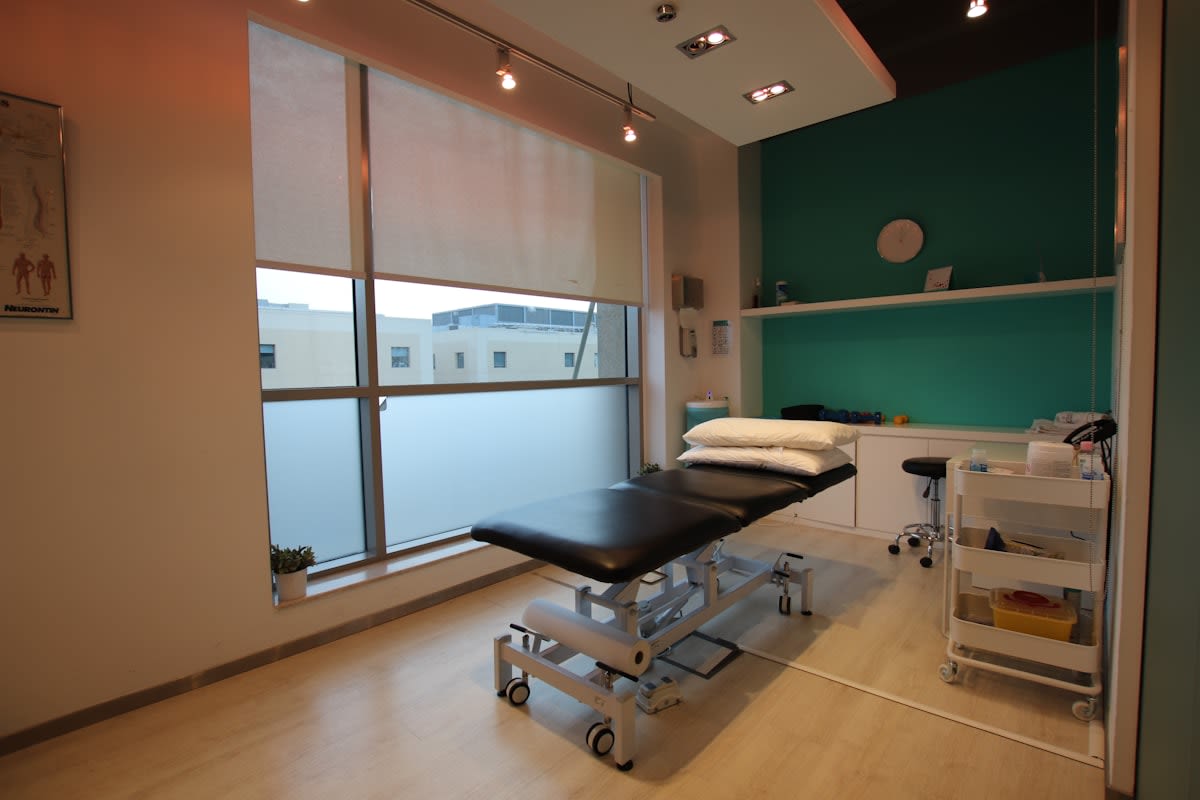
Beyond the training plan, the environment must shift from a traditional gym setting to a recovery-centric ecosystem. This involves integrating physiotherapy and movement science into the daily routine, mirroring the clinician-led model seen at RAPIDÈ in Singapore. The goal is to move away from viewing recovery as an afterthought and instead treat it as the primary foundation of lifelong performance. This requires a commitment to both active movement and advanced technological interventions to prevent the neuromuscular decay that typically follows high-volume cycles.
The Execution Sequence for Neuromuscular Balance
- Implement a concurrent 4-week training cycle to synchronize muscle hypertrophy and cardiovascular efficiency.
- Optimize intra-set recovery by replacing static rest with Non-Exercise Activity Thermogenesis (NEAT) movements.
- Integrate direct electric muscle stimulation for neuromuscular activation and muscle re-education.
- Apply non-invasive regenerative therapies, such as laser treatment, to manage musculoskeletal inflammation.
- Establish a coordinated ecosystem of physiotherapy and movement science to monitor long-term vitality.
The first phase of execution relies on the synergy of concurrent training. By utilizing a program like the one developed by Kori Sampson, athletes can chase muscle growth and fat loss concurrently, provided the recovery phase is equally aggressive. The danger in high-intensity volume is the rapid onset of fatigue, which degrades form and increases injury risk. To counter this, the focus must shift from the workout itself to the intervals between the effort.
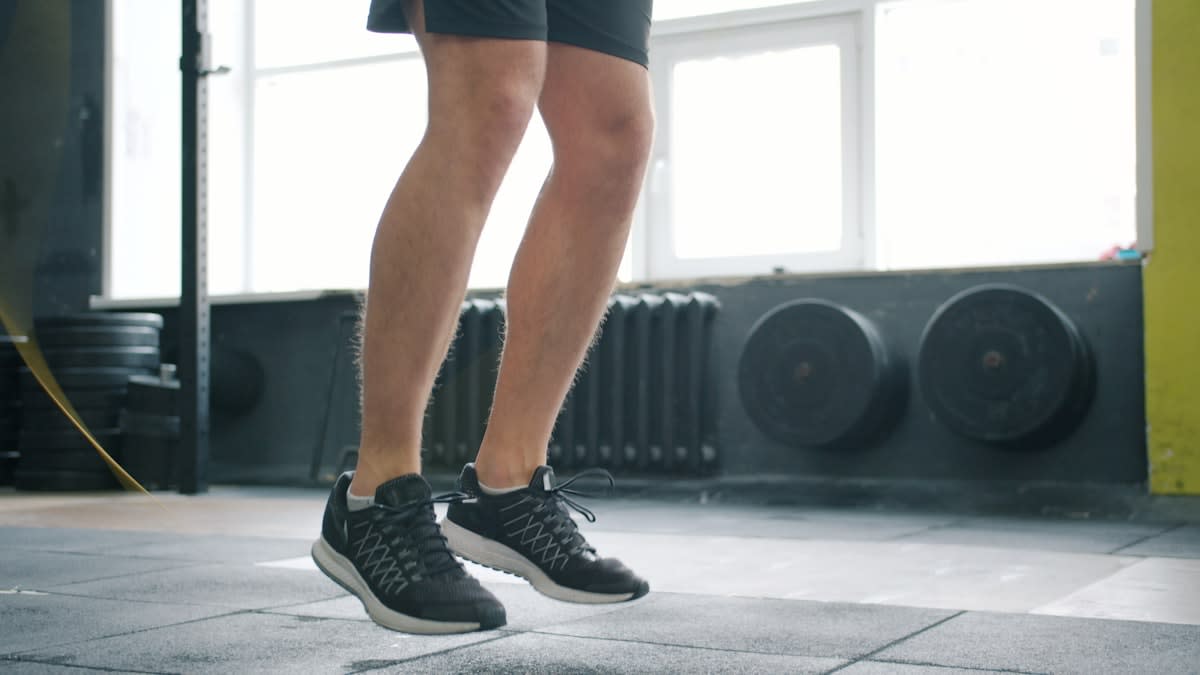
Active rest is a critical lever for maintaining metabolic momentum. Chris Pontius utilizes a strategy of staying active between sets, leveraging Non-Exercise Activity Thermogenesis (NEAT), which can account for 15-30% of total daily energy expenditure. By refusing to remain static after heavy sets of squats or deadlifts, the practitioner maintains a higher caloric burn and prevents the neuromuscular stagnation that often occurs during long rest periods. This approach keeps the body primed and reduces the perceived struggle of returning to a heavy load.
"The future of healthcare is not only about helping people recover after something goes wrong, but helping them preserve their health before it is lost."— John Abraham, Senior Principal Physiotherapist
Once the active movement phase is established, the focus must shift to technological restoration. The partnership between Cutera and Restimulate Health introduces truFlex technology, which utilizes direct electric muscle stimulation. Unlike traditional massage or passive stretching, this method focuses on neuromuscular activation and muscle re-education. This allows the athlete to maintain strength development and muscle activation even when the central nervous system is too fatigued to recruit fibers effectively through voluntary contraction.
To address the inevitable musculoskeletal wear of high-intensity training, regenerative therapies provide a non-invasive alternative to traditional pain management. Dr. Alan Shih has highlighted the efficacy of laser therapy in treating sports-related injuries and chronic pain. By encouraging the body's natural healing response, these technologies allow athletes to return to high-volume training faster than they would through passive rest alone. This shift toward regenerative medicine marks a departure from simply masking pain to actively supporting tissue repair.
| Restoration Method | Primary Mechanism | Performance Impact | Example Application |
|---|---|---|---|
| Active Rest (NEAT) | Metabolic Maintenance | 15-30% Energy Expenditure | Inter-set movement |
| Electric Stimulation | Neuromuscular Activation | Muscle Re-education | truFlex Technology |
| Regenerative Therapy | Natural Healing Response | Tissue Repair | Laser Therapy |
| Clinician-Led Atelier | Integrated Movement Science | Long-term Vitality | RAPIDÈ Model |
The final layer of this framework is the integration of these tools into a coordinated ecosystem. The RAPIDÈ model in Singapore demonstrates that combining physiotherapy, movement science, and advanced recovery technologies creates a benchmark for healthy ageing and performance. When recovery is integrated into a single, clinician-led pathway, the athlete no longer has to guess which modality to use. Instead, they follow a structured protocol that adjusts based on real-time neuromuscular feedback.
Why do most athletes fail at high-volume training? They treat recovery as a binary state—either they are training or they are resting. This framework proves that restoration is an active process. By utilizing direct electric stimulation to keep muscles firing and laser therapy to accelerate healing, the practitioner can sustain a level of intensity that would otherwise lead to burnout or injury. The balance is not found in doing less, but in recovering with more precision.
Technical Distinction
Neuromuscular re-education is distinct from simple muscle recovery. It involves retraining the brain-to-muscle connection, ensuring that high-threshold motor units are recruited efficiently even under conditions of systemic fatigue.
Common Pitfalls in Neuromuscular Restoration
- Relying on passive rest (sleep and inactivity) as the sole recovery mechanism, ignoring the 15-30% energy expenditure potential of NEAT.
- Implementing high-intensity concurrent training without a corresponding neuromuscular activation protocol, leading to central nervous system fatigue.
- Using pain management to mask injuries rather than utilizing regenerative therapies like laser treatment to support the body's natural healing process.
- Treating recovery as a separate event rather than integrating it into a clinician-led ecosystem of physiotherapy and movement science.
The most dangerous error a practitioner can make is the assumption that more volume equals more progress. Without the specific triggers for neuromuscular restoration—such as those provided by truFlex technology or structured physiotherapy—increased volume simply accelerates the path to injury. The objective is to create a loop where high-intensity effort is immediately followed by targeted, technological restoration, ensuring the body remains in a state of adaptation rather than degradation.